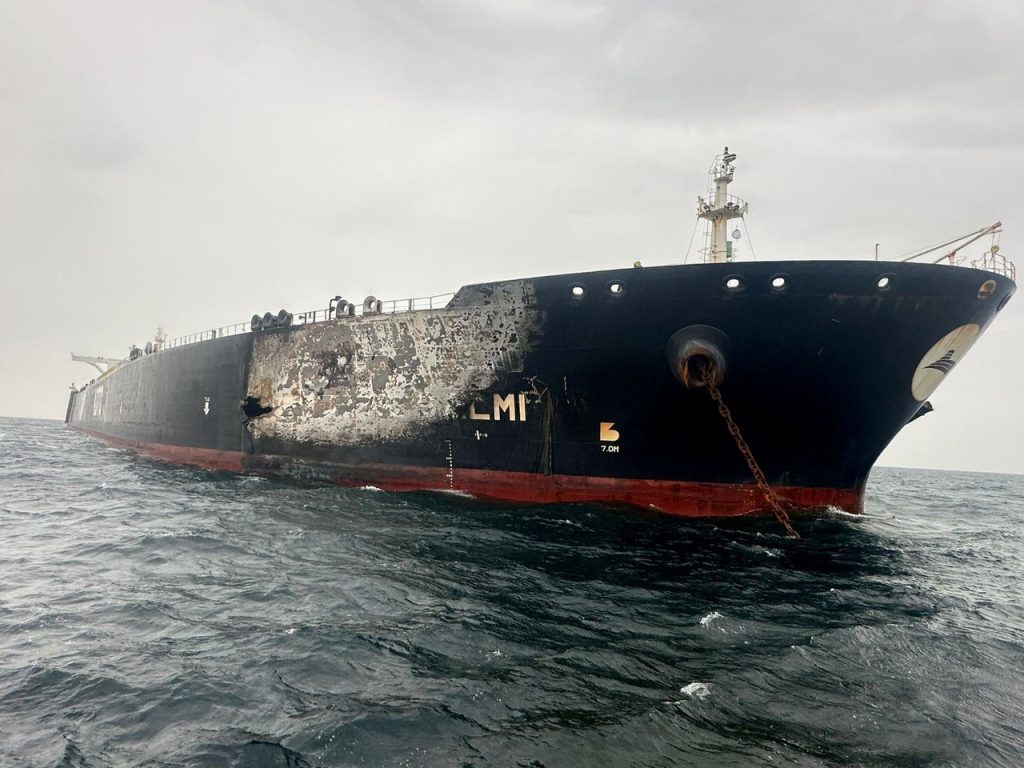
Despite Kuwait’s declaration of force majeure on its crude oil shipments, South Korea anticipates only a limited impact on its national oil supply. An industry ministry official stated Tuesday that the nation has proactively implemented measures to mitigate disruptions, particularly those stemming from the ongoing Strait of Hormuz blockade and broader Middle East energy crisis.
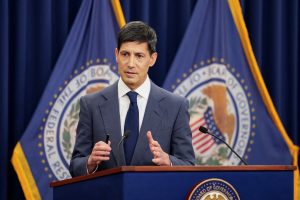
During a regular briefing on the nation’s energy supply, Yang Ghi-wuk, Deputy Minister for Trade, Industry, and Resource Security, elaborated on South Korea’s strategic response. He affirmed that the country has proactively secured alternative crude oil supplies, a critical step to stabilize the domestic fuel market amidst the escalating Middle East crisis.
While Kuwait has commenced notifying South Korean oil refineries about its force majeure decision, the actual impact on South Korea is expected to be minimal. Yang emphasized that imports of Kuwaiti crude shipments were already facing significant disruptions due to the effective closure of the crucial Middle Eastern oil export route, the Strait of Hormuz.
For clarity, force majeure is a standard contract clause. It legally excuses a party from fulfilling its contractual obligations when unforeseen circumstances, entirely beyond its control, render adherence to those obligations impossible.
Reinforcing its supply resilience, Seoul has successfully secured approximately 70 million barrels of alternative oil supplies for May. This significant volume represents about 80 percent of South Korea’s typical monthly crude oil import levels. The industry ministry also confirmed ongoing efforts to secure additional critical supplies for June, ensuring sustained energy security.
Addressing public concerns regarding the domestic fuel price cap system, Deputy Minister Yang confirmed that the government would meticulously evaluate several crucial factors when adjusting price ceilings later this week. These considerations include global oil price trends, persistent uncertainties surrounding the potential conclusion of the US-Iran conflict, and the direct impact on citizens’ livelihoods.
South Korea initially implemented this comprehensive fuel price ceiling system in mid-March. Its primary objective was to curb the sharp surge in domestic fuel prices that followed the onset of the Iran war. Since its introduction, the government has been systematically adjusting the maximum allowable prices for gasoline, diesel, and kerosene products on a bi-weekly basis.
However, the fuel price cap system has recently drawn criticism. Some observers argue that the government’s perceived excessive control over fuel prices may inadvertently be stimulating increased consumption of fuel products, even amidst existing supply disruptions. Critics further contend that this approach places an undue burden on public finances.
Statistical data as of Tuesday highlights the upward trend in fuel costs: the average gasoline price in South Korea has increased by 18.4 percent compared to February 27, the day prior to the Iran war’s outbreak. Over the identical period, the average diesel price saw a significant rise of 25 percent.
Deputy Minister Yang provided a comparative analysis, noting that while South Korea’s fuel price increase pace was slower than that observed in the United States for both gasoline and diesel, it was notably faster than in Japan. He added that the rate of increase remained comparable to trends seen across major European countries.
Concluding his remarks, the Deputy Minister reiterated, “The fuel price cap system was specifically implemented by the government as an essential measure in response to an emergency situation, aimed at safeguarding economic stability and public welfare.”