Fifth-Generation K-Pop: Riize, NCT Wish & More Embrace Simplicity for Deeper Fan Connection
The dynamic landscape of K-pop consumption constantly evolves, driven largely by its devoted fan base of young, highly engaged enthusiasts.
K-pop industry insiders note a significant shift among boy groups. Where elaborate fictional universes once dominated to foster fan engagement, the trend is now moving towards more grounded, relatable concepts.
Historically, prominent K-pop acts like BTS, Seventeen, and Tomorrow X Together (TXT) have skillfully integrated overarching narratives within their music releases. This approach encouraged fans to meticulously piece together clues spread across diverse content, from music videos to extended web series. Among these, Enhypen is particularly known for maintaining one of the most intricate and continuous storylines in K-pop history.
Since their 2020 debut, Enhypen has captivated audiences with a compelling vampire-themed universe. This mythology delves into themes of fame, transformation, and brotherhood, consistently woven through their music, videos, and even the webtoon series “Dark Moon: The Blood Altar.”

However, a growing segment of the K-pop fan base expresses weariness from continually tracking and deciphering complex storylines. In response, newer K-pop groups are increasingly embracing concepts rooted in everyday life, offering greater relatability and immediate appeal.
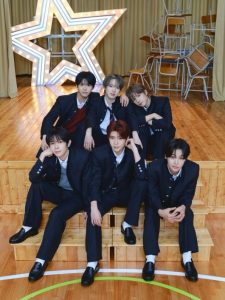
This strategic shift is clearly exemplified by prominent fifth-generation K-pop acts such as Riize, TWS, and NCT Wish. These groups intentionally move away from intricate lore, instead spotlighting themes like first encounters, genuine friendship, raw youthful emotions, and the beauty of ordinary moments. Their narratives prioritize simplicity and familiarity, aiming for instant emotional resonance with fans.
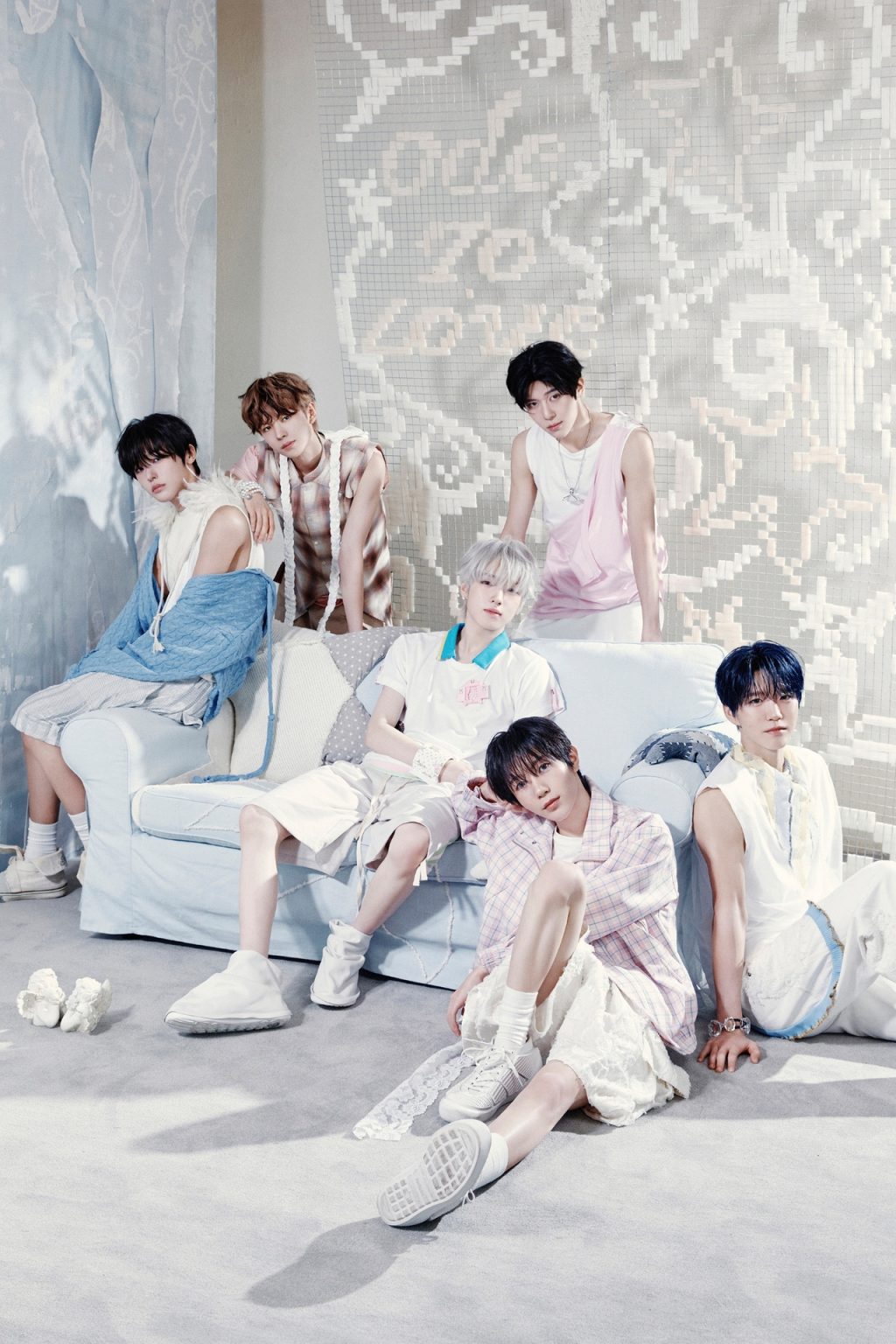
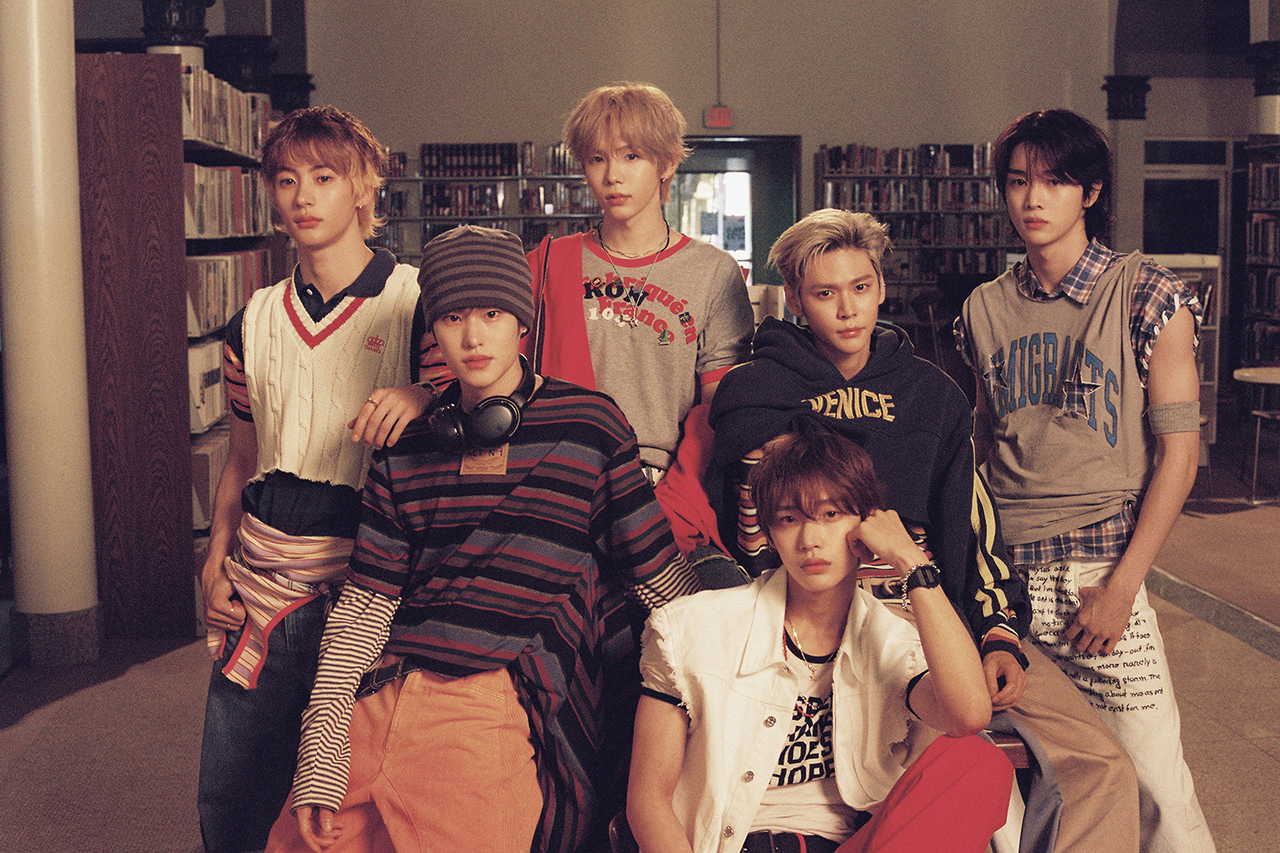
NCT Wish serves as a prime illustration of this trend. While the group maintains a charming Cupid-inspired motif from their debut, they wisely avoid imposing a rigid, complex storyline on their audience. For instance, in the highlight medley for their first album, “Ode to Love,” Cupid is reimagined not as a mythical figure, but as an amnesiac college student — a readily understandable scenario that requires no extensive narrative context for fans to grasp.
Further demonstrating their accessible approach, NCT Wish has also sparked a thriving fan-driven movement dubbed “Wishcore.” This term, a clever portmanteau of the group’s name and “core,” signifies a broadening of fan engagement beyond mere music consumption. It reflects how K-pop fandom is evolving into diverse subcultural expressions.
Wishcore has rapidly gained traction as a notable microtrend, particularly among Gen Z fans on platforms like TikTok in South Korea and Japan. It encompasses a unique blend of fashion, aesthetics, and identity deeply connected to the NCT Wish group, showcasing the power of K-pop fan culture.
Despite the apparent shift, K-pop industry observers interpret this evolution as a natural part of a broader, cyclical trend.
“K-pop thrives on trends, and extensive narrative concepts historically cycle in and out,” commented an entertainment company official. “For instance, vampire themes were not groundbreaking when Enhypen introduced them; similar conceptual elements have resonated with earlier K-pop generations.”
The official further elaborated that K-pop’s history is marked by a dynamic interplay between fantastical and relatable concepts. The current wave distinctly signals a return to more grounded storytelling.
“Opting for themes that resonate with everyday life, as opposed to grand, complex narratives, significantly enhances audience connection and fan engagement,” the official concluded.
jaaykim