South Korea is currently at a pivotal moment in its efforts to modernize and upgrade its capital market. A key proposal gaining traction is the introduction of single-stock leveraged exchange-traded funds (ETFs), which industry leaders believe could be instrumental in attracting investors back to the domestic market from overseas.
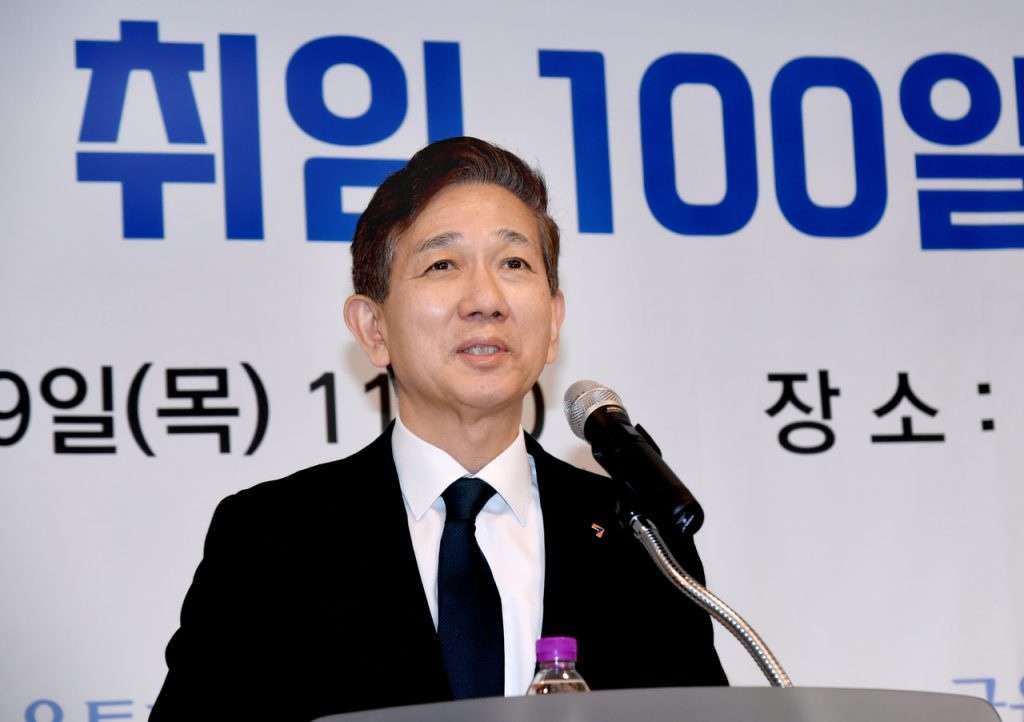
Whang Song-youp, Chairman of the Korea Financial Investment Association, emphasized the transformative potential of such products. Speaking at a press conference in Yeouido, western Seoul, marking his first 100 days in office, Whang stated that these ETFs would significantly broaden investment options for South Korean investors and enhance the overall competitiveness of the local market.
“The absence of these specific products in Korea has regrettably led our investors to seek them out in international markets, particularly Hong Kong and the US,” Whang explained. He further stressed the importance of “keeping pace with global financial trends” to retain domestic investment capital.
Under a strategic initiative spearheaded by the Financial Services Commission, plans are well underway for the potential launch of single-stock leveraged ETFs as early as next month. These new products are expected to track major South Korean equities, including industry giants like Samsung Electronics and SK Hynix.
Chairman Whang reiterated that this anticipated development will not only expand investor choice significantly but also serve as a crucial catalyst for revitalizing South Korea’s domestic capital market, encouraging greater participation and liquidity.
Beyond ETFs, Whang also addressed the proposed extension of stock trading hours, describing it as an “inevitable” evolution for the market. However, he acknowledged that the level of preparedness across the financial industry remains inconsistent, posing a challenge for a seamless rollout.
The Korea Exchange had initially aimed to extend trading hours to a full 12 hours starting in June. Yet, due to valuable industry feedback and the need for more comprehensive readiness, the implementation has been judiciously delayed until September.
“This additional time will be crucial for firms to adequately prepare,” Whang remarked, highlighting that smaller brokerage firms, in particular, might face more substantial hurdles. He confirmed that active discussions between the exchange and various market participants are ongoing to ensure a smooth transition.
silverstar