

Samsung Electronics recently hosted an exclusive design briefing to delve into the intricate design philosophy behind its newly launched Galaxy S26 series and Galaxy Buds 4. This event, held approximately a month post-launch, offered deeper insights into the aesthetic and functional decisions for these anticipated devices.
The briefing session, steered by three prominent design executives from Samsung’s MX division, specifically addressed the design aspects that were less emphasized during the February Galaxy Unpacked event, which primarily focused on AI and software innovations.

Lee Ji-young, Senior Vice President overseeing Galaxy product design, highlighted a pivotal design evolution for this generation: the Galaxy S26 Ultra now sports a “softer impression.” This marks a departure from the distinct sharper corners of previous Ultra models. Notably, for the first time, all three Galaxy S26 models—the S26, S26+, and S26 Ultra—share an identical corner curvature, establishing a unified silhouette across the entire S-series lineup.
After extensive evaluation, the design team meticulously chose a 7-millimeter corner radius, internally dubbed “7R.” This specific measurement was deemed the “optimal balance” by Lee, enhancing grip comfort while maintaining aesthetic visual proportions and the device’s overall form. To complement this new curvature, the S Pen tip underwent an asymmetrical reshaping.
While some international reviewers have observed that this design alteration makes the S26 Ultra less instantly distinguishable from the S26 Plus, Samsung maintains that this unification strategically strengthens the core S-series family identity.
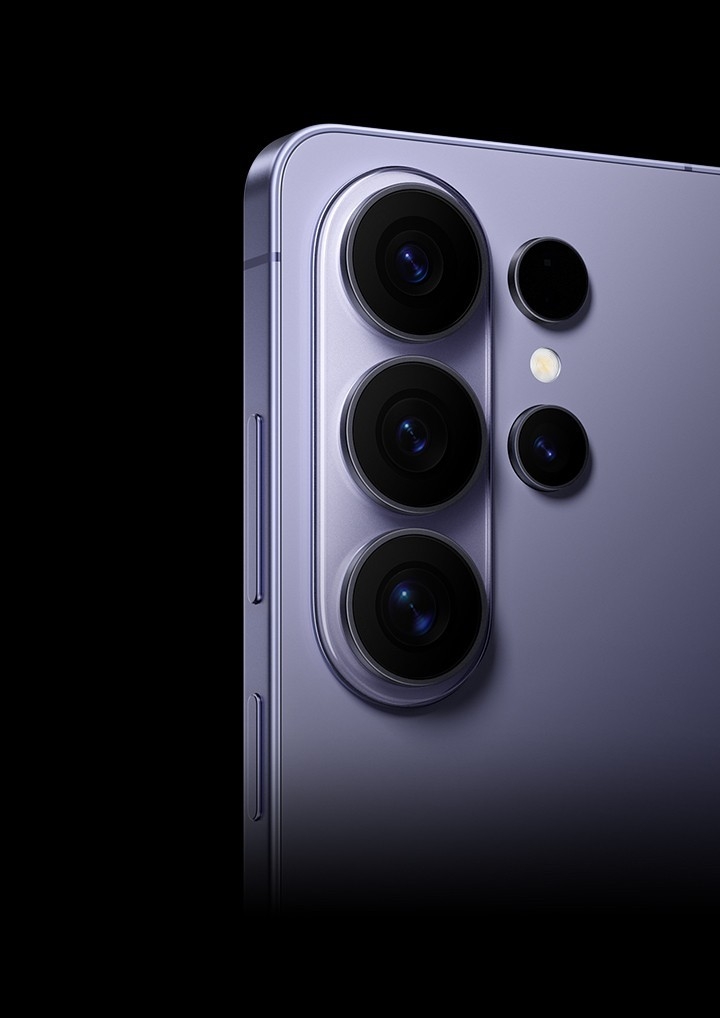
Lee further identified the challenge of achieving a slimmer body, which was trimmed by 0.3 mm to a sleek 7.9 mm, as a significant hurdle in the design process.
She elaborated that “the thinner the product gets, the harder the design becomes,” particularly concerning high-performance camera hardware which can otherwise appear disproportionately prominent. Samsung’s innovative solution to this was the introduction of the “ambient island”—a subtly raised area encasing the rear camera cluster, featuring a sophisticated semi-translucent finish to seamlessly integrate the cameras.
Despite these changes, the iconic vertical three-camera layout was purposefully retained, reaffirming its status as a “core element of Galaxy’s distinct design identity,” Lee added.

The design briefing allocated significant attention to the Galaxy Buds 4. Song Jun-yong, a design group leader within the MX division, revealed that Samsung leveraged an extensive dataset of over 100 million ear-shape data points, gathered through a strategic partnership with the University of Michigan. This vast data was instrumental in calibrating the earbuds’ fit across three critical axes: comfort, static stability, and dynamic stability. Song emphasized that the team “did not simply run simulations to find an average” fit, but rather conducted in-depth analysis across “all ethnicities, ages, and genders” to ensure optimal satisfaction for the widest possible range of users.
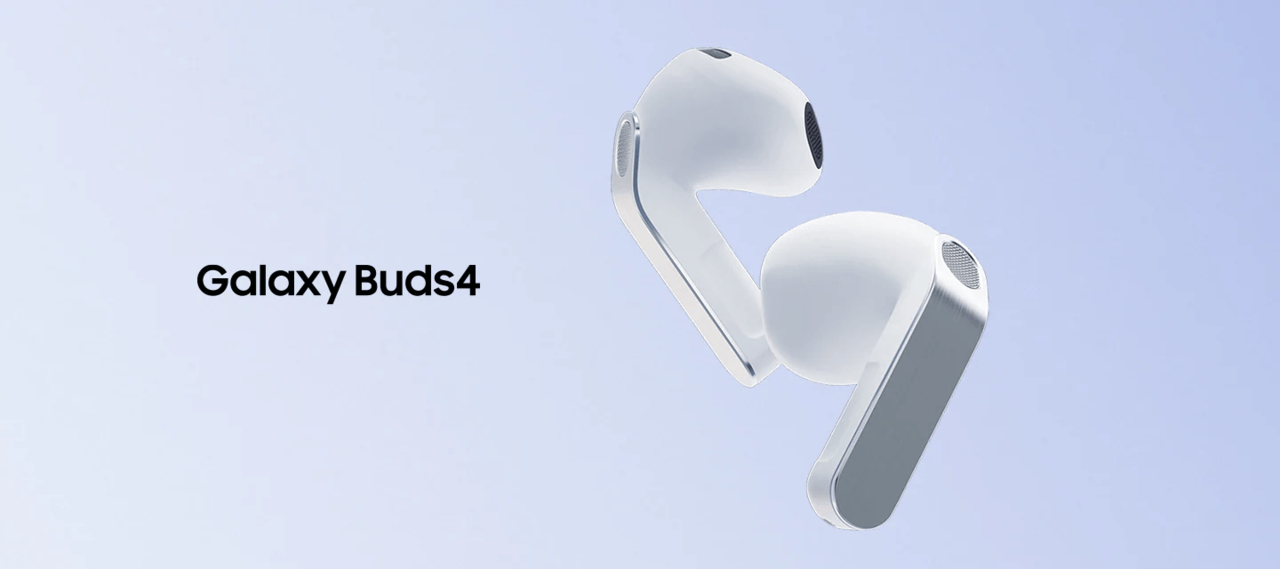
Song further elaborated that the Galaxy Buds 4’s distinctive flat metal stems were conceptualized “around metal from the very beginning.” This design choice was deliberate, aiming to project sufficient “visual impact” and firmly establish Samsung’s unique wearable identity in a competitive market.
During the Q&A session, when questioned about whether the stem design might invite comparisons to competing products, Song clarified that the unique blade form was selected purely for its practical value. Key benefits cited included enhanced “grip, intuitive swipe usability, and precise pinch control.”
Also during the Q&A, Lee shed light on the Galaxy S26 Ultra’s transition from the titanium frame, featured in models since the S24 Ultra, to Armor Aluminum 2—a detail not initially covered in the prepared remarks. She explained that the design team’s primary objective was to achieve “oneness,” fostering a seamless visual and tactile unity between the phone’s back and sides. This was pursued while simultaneously upholding premium-grade durability within the device’s thinner profile.
When asked about the timing of this material shift, which paralleled Apple’s similar transition for the iPhone 17 Pro last year, Lee refrained from providing a direct response.
This comprehensive design briefing occurs amidst a challenging period for Samsung’s mobile unit, which is contending with rising component costs. Analysts estimate that the MX division’s first-quarter operating profit declined to approximately 2 trillion won ($1.4 billion), representing roughly half of the figure reported for the same period last year, largely due to surging memory chip prices.
mjh


