
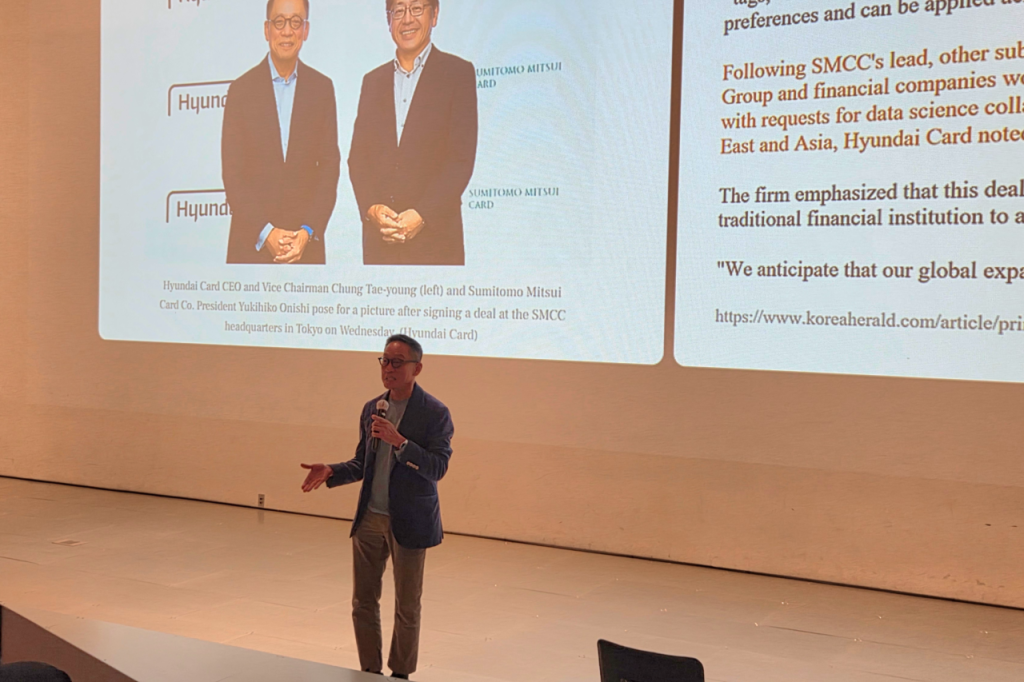
Chung Tae-young says structure, not algorithms, will define competitiveness
“Architecture becomes even more important in the online era.”
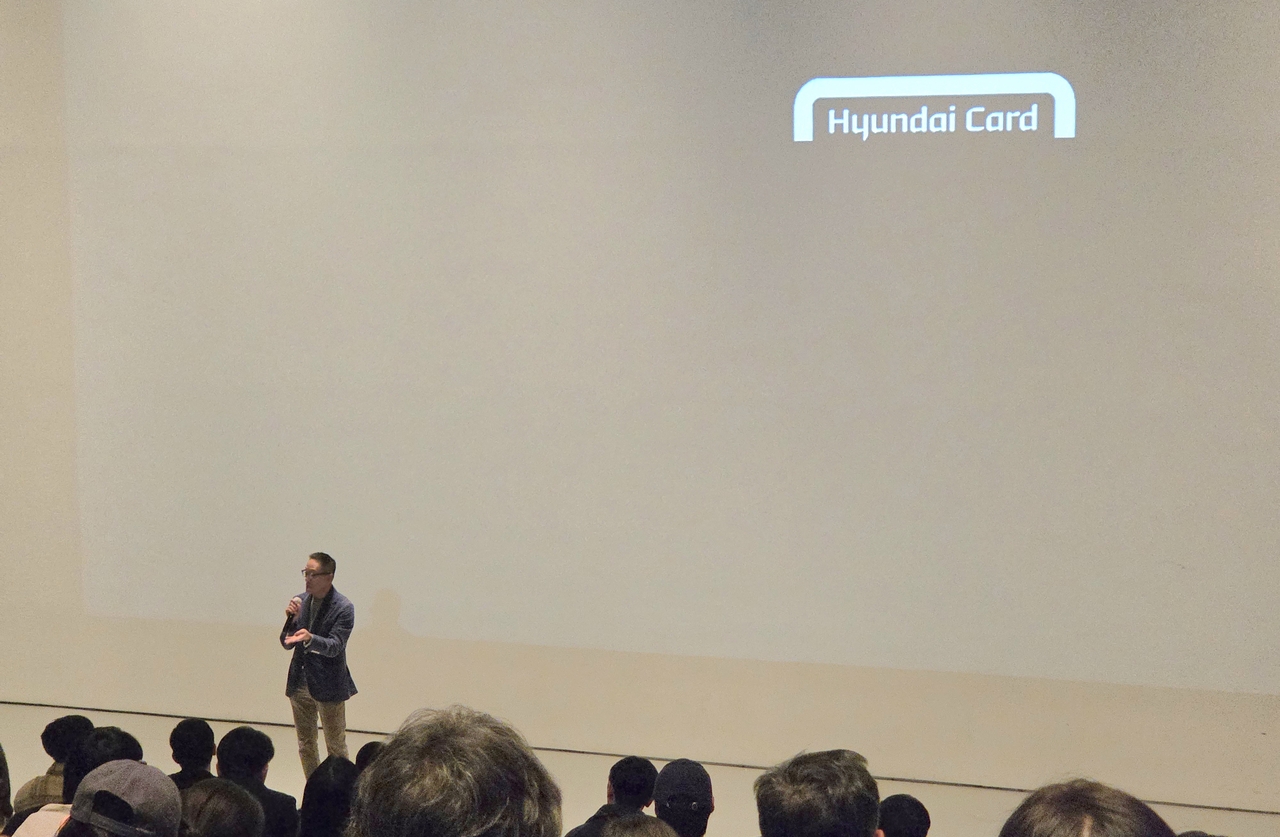
Hyundai Card CEO and Vice Chair Chung Tae-young, a seasoned leader in the finance industry for 23 years, recently delivered a compelling lecture at Seoul National University’s architecture department. His assertion that architecture’s significance deepens in the digital age was not merely a comfort for students anxious about their careers, but a precise articulation of the core management philosophy that drives Hyundai Card’s strategic vision and operational excellence.
Chung Tae-young views architecture far beyond conventional buildings and physical structures. For him, it embodies a powerful method for strategic organization and systematic thought. He articulates that companies, much like architectural masterpieces, demand structural discipline and internal logic, drawing inspiration from masters like Bauhaus, Le Corbusier, and Giuseppe Terragni to emphasize principles of order, proportion, modularity, and systemic design in business operations.
This architectural discipline permeates every facet of Hyundai Card’s operations. Their financial products are meticulously crafted as a modular ecosystem, each card precisely positioned within a cohesive lineup. The company’s advanced underwriting engine exemplifies structural coherence, enabling rapid credit screening in as little as five seconds. This rigorous design philosophy also extends to their digital applications and physical brand spaces, where Hyundai Card masterfully curates the user experience – from information density and scrolling dynamics to ensuring brand identity consistency across diverse offerings.
“Even our organizational chart is highly architectural – encompassing the structuring of divisions and teams, methods for breaking down silos, and how personnel move across departments; all are intentionally designed.” This highlights an integrated design strategy for corporate structure.
This architectural philosophy further clarifies Chung’s conviction that the acceleration of technology and artificial intelligence will elevate, rather than diminish, the importance of architecture. As digital transactions proliferate, the demand for generic physical spaces may wane. However, this trend simultaneously intensifies the value of distinctive physical environments that offer sensory experiences unattainable through screens. He draws a compelling parallel to the music industry: despite the prevalence of high-fidelity digital files, vinyl records thrive because convenience alone cannot displace the human desire for a rich, tangible experience.
“Screens cannot fully satisfy all human senses,” Chung emphasizes. “While demand for standardized buildings valued solely by square footage may decline, the critical need for exceptional, meaningful architecture that genuinely enriches people’s lives will only intensify.”
Chung elaborated on the tangible commercial benefits. Hyundai Card, which previously allocated an astounding 80 billion won ($54.3 million) annually to television advertising, now enjoys nearly organic promotion as visitors actively share their experiences within its distinctive spaces on platforms like Instagram. Furthermore, many of these strategically designed properties have seen their market value double or even triple.
With over 15 years dedicated to architectural investment, Hyundai Card and Hyundai Commercial – sister finance companies within Hyundai Motor Group also under Chung’s leadership – now boast an impressive portfolio of approximately 50 spaces, offices, and diverse architectural projects spanning 13 countries. This includes iconic branded venues in Seoul such as the renowned Design Library and Cooking Library, showcasing their commitment to unique brand experiences.
This very architectural mindset is the cornerstone of Hyundai Card’s aggressive AI strategy. Chung clarifies their focus: “We are not attempting to develop our own large language model. Our fundamental strategic investment is in data architecture.” He defines this critical work as foundational – meticulously defining single units of data, ensuring semantic consistency across similar phrases, and constructing the comprehensive grammar essential for making data genuinely usable throughout the entire organization.
“Without that structure, companies may think they have data when in fact they only have disconnected words,” Chung said.
Hyundai Card has allocated approximately 50 billion won to this crucial data architecture, forming a segment of its extensive total AI investment exceeding 1 trillion won. The company is proactively establishing seven private clouds, anticipating that Large Language Models (LLMs) will evolve into indispensable core management infrastructure within the next two years.
“Within this timeframe, LLMs are projected to adeptly manage complex tasks such as financial statement analysis, legal documentation, and even human resource functions,” he forecasts.
He concludes with a potent analogy: “Just as runways must be meticulously prepared before aircraft can take flight, we are currently laying the essential groundwork to capitalize on where technology will be two years from now.” This underscores Hyundai Card’s forward-thinking strategic preparation for future AI advancements.
jwc


