
Nongshim, the renowned South Korean instant noodle giant, announced its strategic move to establish a new subsidiary in Russia this June. This expansion aims to capitalize on the rapidly growing demand for Korean instant noodles across the region.
Named Nongshim Rus, this new Moscow-based entity marks Nongshim’s latest significant international expansion. It follows the successful launch of its European subsidiary in the Netherlands in March 2025, underscoring the company’s aggressive global growth strategy.
This strategic push into the Russian market reflects the increasing cultural foothold Korean noodles and ramyeon have gained within the country, fueled by a rising interest in Korean cuisine and culture.
The robust market potential is evident in recent figures. Imports of Korean instant noodles into Russia surged to $52 million in 2025, representing a substantial 58 percent increase from the previous year. Furthermore, the overall Russian instant noodle market is projected to reach an impressive $1.05 billion in value by 2030, as reported by leading market research firm Euromonitor.
A Nongshim official emphasized the strategic importance of this location, stating, “Russia sits at the crossroads of Europe and Asia, where ramyeon is rapidly finding an ever-wider and appreciative audience.” The company has set an ambitious target of $30 million in subsidiary revenue by 2030, demonstrating its confidence in the Russian market’s potential.
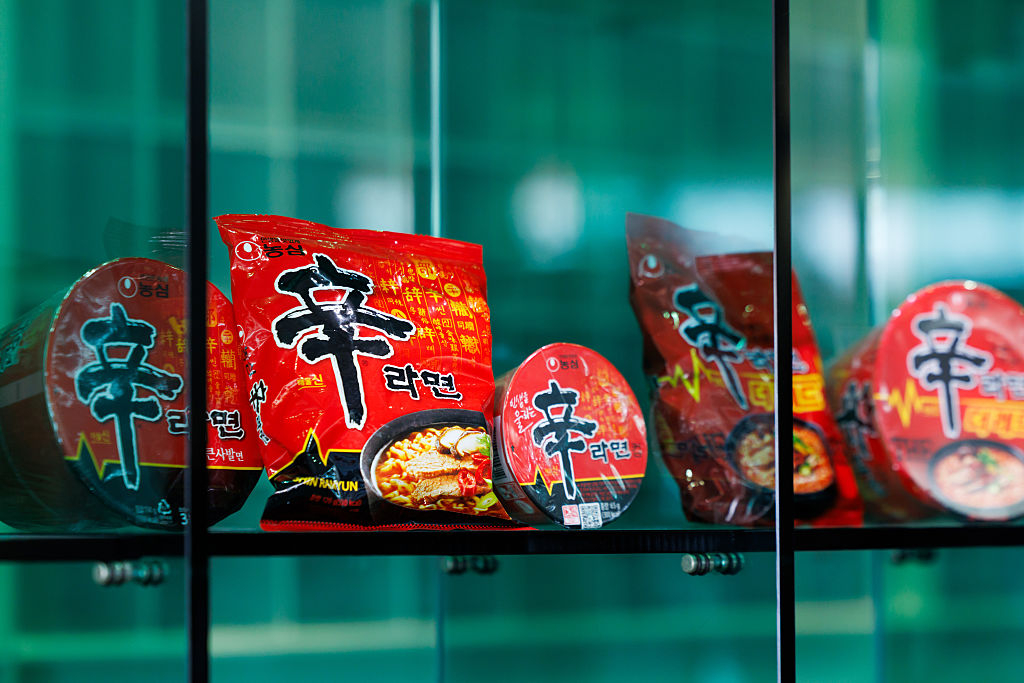
Nongshim plans to strategically position itself within Russia’s premium instant noodle segment. Its product lineup will be anchored by its flagship brand, Shin Ramyun, alongside other well-loved favorites like Neoguri, catering to discerning consumers seeking high-quality Korean flavors.
Initially, Nongshim Rus will concentrate its efforts on Russia’s western regions. However, the long-term vision includes expanding operations to encompass other parts of the vast country. Ultimately, the subsidiary aims to evolve into a vital commercial hub for the broader Commonwealth of Independent States (CIS) market, with key target nations including Kazakhstan and Uzbekistan.


