
WJSN’s Dayoung Redefines K-pop with Solo EP “What’s a girl to do,” Emphasizing Precision, Structure, and R&B Roots
For WJSN member Dayoung, her highly anticipated solo EP, “What’s a girl to do,” transcends a mere comeback. This new music project is deeply rooted in the distinct style she cultivated during her trainee years and reflects the evolution of the artist she aspires to become in the K-pop landscape.
Scheduled for release on Tuesday, Dayoung’s second solo EP, “What’s a girl to do,” signals a significant stylistic departure from her previous work, “Gonna love me, right?” The upcoming album draws heavily on the nostalgic R&B and dance-pop influences prevalent in the early 2000s, offering fans a fresh sound.
“I have a lot of nostalgia for that era,” Dayoung shared during a recent round table interview in southern Seoul. “The distinct beats and the raw emotions portrayed in the music — alongside the captivating performances — I really wanted to channel that energy and present it in my own unique way through this solo EP.”
This artistic influence is clearly evident in the album’s smoother, more flowing auditory experience and its accompanying music video. Unlike the high-energy, dynamic structure of her track “Body,” the new title track embraces a softer, more rhythmic approach with lyrics that convey a direct and relatable meaning.
Dayoung expressed her primary goal was to create a song and a visual narrative that would be easy for listeners and viewers to understand and connect with on an emotional level.
“I aimed to produce music and a music video that weren’t complicated or difficult to follow,” she explained. “My desire was for people to effortlessly grasp the song’s message, the visuals, and the overarching story all at once, creating a natural and immersive experience for my fans.”

A crucial decision behind the new EP is its exclusive use of all-English lyrics. While this choice might raise questions, especially as the K-pop industry increasingly faces scrutiny over its growing adoption of English, Dayoung clarified that the decision ultimately came down to what best complemented her distinct vocal style.
“During my formative trainee years, I primarily honed my skills with English-language R&B songs, drawing inspiration particularly from iconic artists like Christina Aguilera and Alicia Keys. This practice was instrumental in shaping my vocal habits and overall tone,” Dayoung elaborated. “Perhaps it’s a result of that training, but I genuinely feel that when I sing in English, I can express my unique voice color and artistry more naturally.”
She further emphasized that for her, language serves as an integral part of the musical creation process rather than a rigid, immutable rule.
“If my training had focused on French or Japanese songs, it’s entirely possible my solo album could have been in those languages instead,” Dayoung added with a lighthearted laugh. “For me, English is simply one viable language option, and I eagerly anticipate exploring Korean and other languages in future musical projects, always aligning with the specific concept.”
Dayoung’s insightful perspective on language usage intricately links to her broader definition of K-pop as a global music phenomenon. Having gained invaluable experience working both in Korea and internationally during the album’s production, she firmly believes that the genre’s unparalleled strength transcends linguistic barriers.
“K-pop’s most significant strength lies in its remarkable precision and intricate structure, especially evident in its captivating performances,” she stated. “We excel at ensuring every element on stage feels perfectly complete and exact. That unique attribute is incredibly difficult to replicate and is precisely why K-pop continues to be celebrated and upheld globally.”
Concurrently, the artist expressed her deep appreciation for the “freedom and flexibility” she encounters and embraces when collaborating on music projects overseas.
“My aspiration is to discover a harmonious middle ground, blending the freedom and flexibility I experience with K-pop’s characteristic precision and structure. I aim to seamlessly combine spontaneity with meticulous exactness as I continue to forge and build my artistic career,” Dayoung concluded.
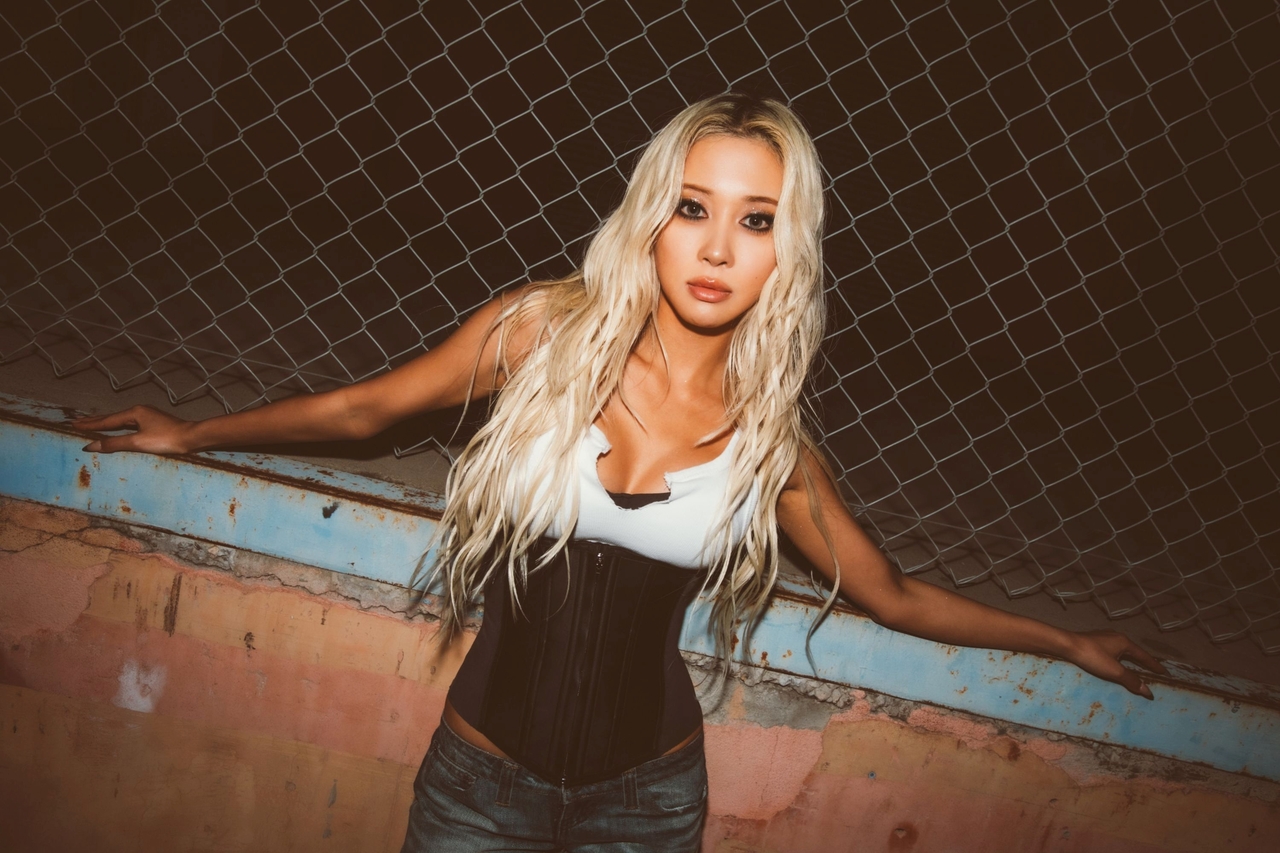
Beyond the distinct sound and captivating performances, Dayoung candidly shared her ultimate, yet simple, goal as a recording artist: to consistently impart positive energy to her audience and fans.
“I genuinely believe a significant part of my appeal stems from being someone that audiences can easily relate to, rather than an artist who feels distant or unapproachable. I think people often feel a sense of familiarity, as if they’ve encountered me before through my numerous appearances on various reality TV shows,” she reflected.
This deep connection with her fans has also heightened her awareness of the significant influence she wields, particularly among her younger demographic.
“While actively promoting ‘Body,’ I became acutely aware that I had a much larger base of younger fans than I had initially anticipated,” she revealed. “This realization strongly motivated me to strive to be an even better role model. If people are going to be influenced by me, I am determined for that influence to be overwhelmingly positive and inspiring.”
This inspiring mindset continues to shape what she hopes her listeners will ultimately take away from her latest musical release.
“My overarching goal is simple: when people engage with my performances or immerse themselves in my music, I want them to undeniably feel a sense of happiness and upliftment,” she affirmed.