Industry insiders cite contract timing, creative limits and rising solo opportunities
A recent surge in **K-pop idol departures** — including Heeseung from Enhypen and Mark and Ten from NCT — has caught fans by surprise, with several prominent members opting to leave their groups within a single month.
Industry insiders, however, say such moves are not unusual, particularly among idols in the later stages of their careers. They point to a combination of artistic ambition, **contract cycles**, and the growing financial independence enabled by social media.
On March 10, Heeseung officially announced his departure from Enhypen to pursue a **solo career** under Belift Lab. The agency confirmed the decision stemmed from “deep discussions” regarding the group’s future and each member’s path, ultimately respecting Heeseung’s distinct musical aspirations.
Mark and Ten, both long-standing members of NCT, revealed within days of each other their decisions not to renew their **SM Entertainment contracts**. Mark is set to conclude all activities with NCT and its subunits, while Ten anticipates continuing group engagements under future agreements with a new agency.

According to an executive at a prominent **K-pop entertainment agency**, these pivotal decisions frequently arise as idols near a decade within the demanding industry.
“There are always members who have a clear sense of what they want to pursue musically,” the executive said. “Before debut, they prioritize making it into a group and often compromise. But over time — especially after completing military service — many begin to seek **individual careers**.”
Most **K-pop groups** adhere to the standard seven-year contract model, often a government recommendation. Given NCT’s project-based structure, its members, including Mark and Ten who debuted with NCT U in 2016, are thought to have signed longer agreements, reaching their **contract renewal point** recently. These renewal periods often serve as critical junctures for artists evaluating **group careers versus solo paths**.
The executive added that **creative limitations** within group activities can also drive such decisions.
“Management ultimately has to focus on profitability, which often means aligning with what fans want,” the executive said. “But not every member will be satisfied with that direction. Younger artists may accept it, but those with over 10 years of experience find it harder to compromise.”
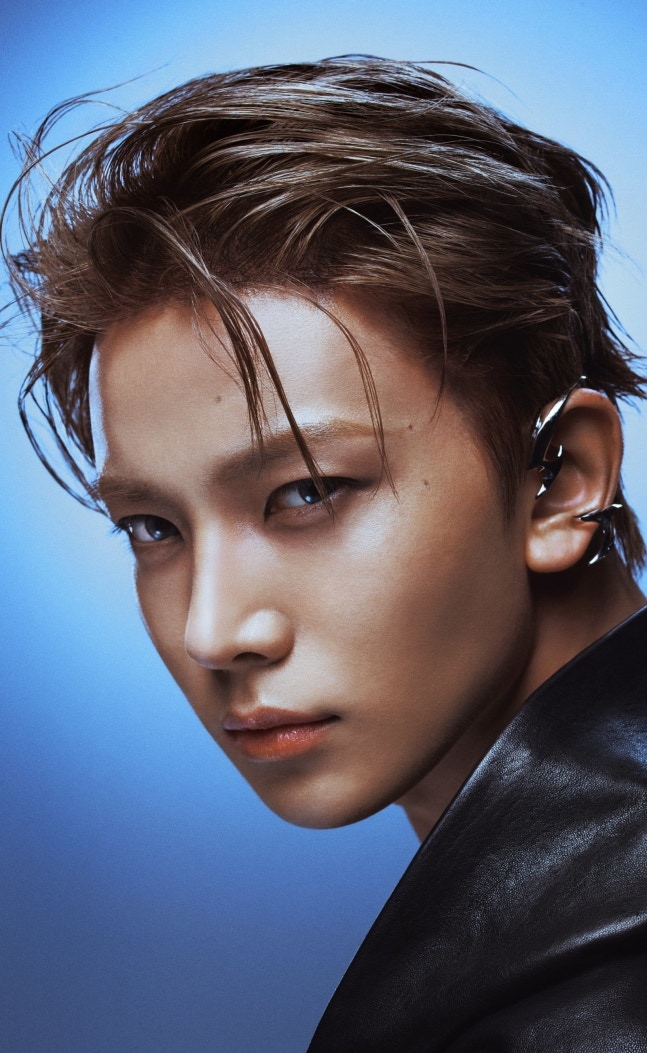
While Heeseung’s situation is unique given Enhypen’s 2020 debut and his relatively early career stage, his choice nonetheless highlights this broader trend of **K-pop idols pursuing solo endeavors**. His hint at an upcoming **solo album** mere weeks post-departure strongly suggests artistic ambition was a primary driver.
Critics also highlight fundamental shifts within the modern **K-pop entertainment landscape**. Music critic Lim Hee-yun emphasizes that the proliferation of **digital platforms** has profoundly altered the power dynamics for **K-pop idols**.
“The concept of being a celebrity has changed,” Lim said. “With platforms like **social media**, artists no longer rely solely on agencies. They can communicate directly with fans and generate income through their own channels.”
He noted that sponsored posts on platforms such as Instagram can generate tens of millions of won per post depending on an idol’s popularity.
“For idols, that income comes from their own personal brand,” Lim said. “But if they have to split it with the agency, it can create an incentive to **go solo** and retain full control over their earnings.”
jaaykim