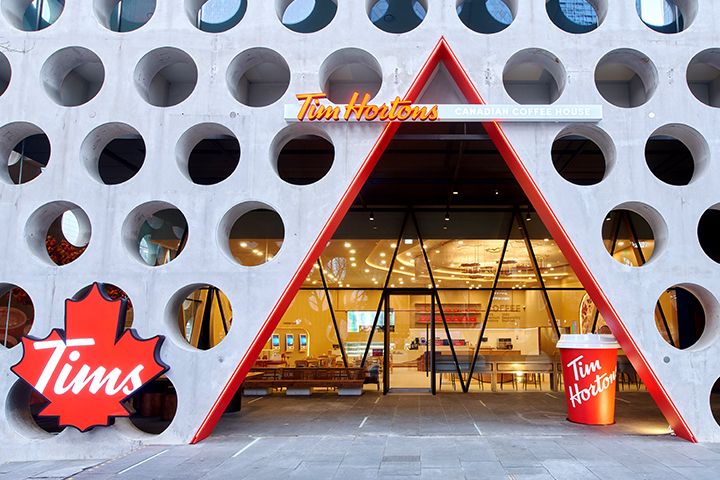
BKR, the South Korean operator of Burger King and Tim Hortons, announced record-breaking revenue of nearly 900 billion won ($595 million USD) last year. The company attributes this significant growth to enhanced product competitiveness and improved operational strategies across both the Burger King and Tim Hortons brands in the South Korean market.
According to the announcement made Thursday, BKR’s 2025 revenue reached 892.2 billion won, marking a 12.6 percent increase year-over-year. Operating profit also saw a substantial rise of 11.7 percent to a record high of 42.9 billion won. Furthermore, the company reported Earnings Before Interest, Taxes, Depreciation, and Amortization (EBITDA) increasing by 11.2 percent to approximately 106 billion won.
The company highlighted the results as a triple achievement: robust revenue growth, improved profitability, and a strengthened financial standing. While BKR’s debt ratio increased, the company explained this was a direct result of ongoing store expansion efforts, with associated investments simultaneously adding to the company’s asset value.
“Navigating an increasingly competitive landscape, rising costs, and currency pressures presented considerable challenges, making these results all the more significant,” stated BKR CEO Lee Dong-hyeong. “This achievement reflects the dedication and collaborative spirit of our employees, franchisees, and partners.”
The company views these results as a pivotal moment for its Canadian coffee chain venture in South Korea.
Tim Hortons Korea is focusing on elevating its food offerings by preparing all menu items fresh on-site in its in-store kitchens. This strategy aims to differentiate the brand within the competitive coffee market. Simultaneously, Tim Hortons is leveraging its Canadian heritage to create cultural appeal through marketing campaigns featuring iconic Canadian figures such as Anne of Green Gables.
The expansion of Tim Hortons stores is accelerating, with plans to approximately double its current footprint to around 50 locations this year. An additional 100 locations are planned over the next two years, significantly increasing the brand’s presence in South Korea.
Meanwhile, Burger King will concentrate on developing trend-driven products and enhancing customer accessibility throughout the year, further solidifying its market position.