LG Energy Solution Pivots to ESS, Bundling Software, Design, and Installation
LG Group Chairman Koo Kwang-mo has emphasized the importance of integrated energy solutions, signaling a strategic shift for LG Energy Solution towards capturing the increasing demand driven by AI infrastructure. This move aims to solidify LG’s position in the rapidly evolving energy storage systems (ESS) market.
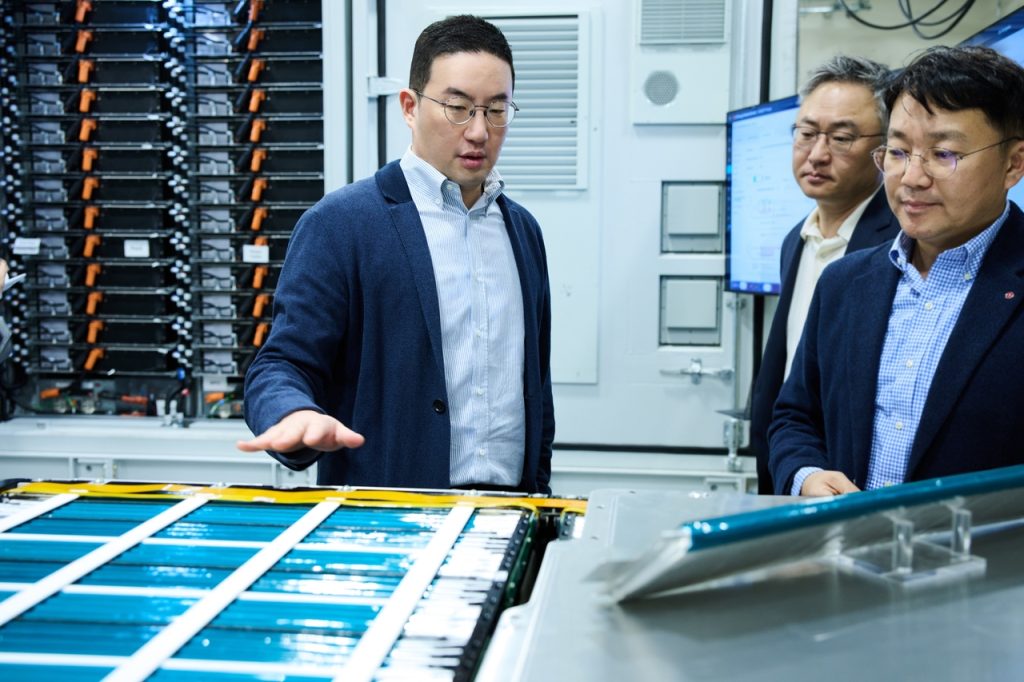
During a recent visit to Vertech, LG Energy Solution’s North American system integration subsidiary in Massachusetts, Chairman Koo highlighted the need to move beyond traditional hardware supply. He urged the company to enhance its software-driven capabilities to offer comprehensive energy solutions.
“LG must secure a business base that remains resilient under any external conditions,” Koo stated, emphasizing the importance of building “integrated solutions capabilities that deliver higher value to customers” to establish market leadership.
This strategic shift underscores LG’s ambition to capitalize on the burgeoning demand for ESS, fueled by the proliferation of AI data centers, increasing electrification, and the growth of renewable energy sources. LG aims to provide complete solutions, including battery manufacturing, system design, and energy management.
Koo highlighted the integration of hardware and software as a critical competitive advantage, especially as power demands become more complex in AI-driven environments. ESS is increasingly vital not only for energy storage but also for stabilizing supply and optimizing power loads in high-performance computing applications.
LG Energy Solution is adapting to this market evolution by adopting lithium iron phosphate (LFP) batteries, a popular choice in the global ESS market. The company is also converting five North American production sites to focus on ESS battery manufacturing. LG claims to be the only company currently manufacturing and supplying ESS batteries within North America.
Vertech is central to this strategy, providing end-to-end services, including system design, installation, maintenance, and software-driven operations. Vertech’s energy management system enables real-time monitoring and control of ESS installations, allowing LG to offer complete, bundled solutions to its customers.
Market research indicates substantial growth in the global ESS market, projecting an increase from approximately 300 gigawatt-hours in 2023 to roughly 750 gigawatt-hours by 2030.
In addition to his visit to the US, Koo also traveled to Brazil, underscoring LG’s simultaneous focus on emerging markets. He reviewed operations at LG Electronics’ production and retail facilities, following earlier visits to India and Indonesia, as LG accelerates its expansion across the “Global South.”
Brazil, as Latin America’s largest economy, represents a key market for LG’s growth strategy. LG Electronics is constructing a new refrigerator plant in Parana state, slated to commence operations in July, with the goal of overcoming trade barriers and strengthening its regional presence through localized production.
Koo’s recent overseas visits highlight LG’s dual strategy: securing future growth through AI-related energy infrastructure and expanding its presence in high-growth emerging markets.
At the company’s first executive meeting of the year on February 25th, Koo stressed the urgency of AI transformation, emphasizing that execution is more critical than perfect planning.