South Korea is initiating its first strategic oil swap program, a move designed to bolster energy security amidst rising geopolitical uncertainty. The program involves lending government-held crude oil reserves to domestic refiners in exchange for future deliveries of alternative crude supplies.
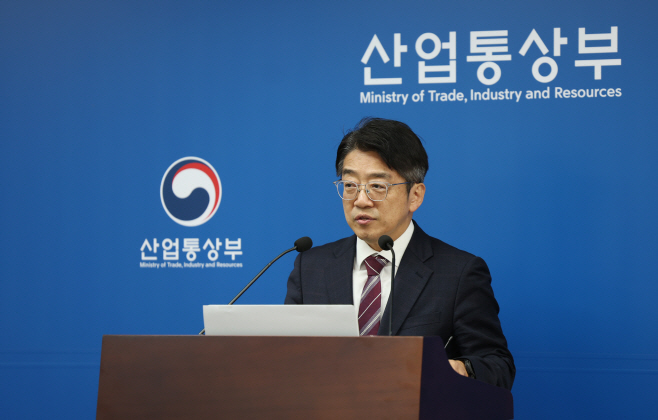
Announced on Tuesday by the Ministry of Trade, Industry and Resources (MOTIR), the initiative aims to address potential short-term supply disruptions and accelerate the diversification of South Korea’s crude oil import sources, reducing reliance on the Middle East.
“This strategic use of our oil stockpiles is designed to manage temporary supply gaps as refiners actively pursue alternative supply sources,” stated Yang Ki-wook, Deputy Minister for Resource Security. “We will supply crude oil only when incoming shipments are confirmed and ensure its return upon arrival of the replacement cargoes.”
The core of the program involves the government providing Middle Eastern crude oil from its strategic reserves to refiners facing delays in shipments of crude secured from other regions. Refiners are then obligated to return the borrowed volumes once the delayed shipments arrive.
The program is also tailored to address operational challenges. Many Korean refineries are optimized for processing Middle Eastern crude grades, making a rapid transition to crude from other regions difficult. By borrowing crude from government reserves and repaying with crude sourced from alternative locations, refiners can maintain stable operational efficiency while simultaneously diversifying their supply chains.
All four major domestic refiners are anticipated to participate, with a combined demand estimated at approximately 20 million barrels. The program is slated to initially operate throughout April and May, with the possibility of extension based on evolving market dynamics.
“The primary objective is not simply to conserve our oil reserves, but to actively encourage refiners to secure alternative supplies,” Yang explained. “By facilitating the exchange of crude oil that companies procure, we aim to strengthen the overall resilience of our national supply chain.”
Korean refiners are already actively diversifying their crude oil sourcing, exploring opportunities in regions including Africa, Central Asia, the Americas, and Oceania.
Pricing under the oil swap program will include a lending fee, as well as an adjustment based on the difference between the government’s average spot price for the stockpiled crude oil and the actual cost of the replacement cargoes sourced by the refiners.
Revenue generated from the program will be reinvested into overseas upstream oil and gas exploration projects led by the state-run Korea National Oil Corp. (KNOC), as well as initiatives focused on expanding storage capacity and collaborative stockpiling efforts.
In a related development, officials highlighted ongoing supply risks concerning petrochemical feedstocks, particularly naphtha. Naphtha imports currently account for approximately 45% of domestic demand. The Ministry indicated that it is evaluating additional measures, including potential export controls and anti-hoarding measures, to ensure supply stability.
Despite ongoing geopolitical tensions in the Middle East, authorities anticipate that supplies of key industrial materials, such as helium and hydrogen bromide used in semiconductor manufacturing, will remain sufficient throughout the first half of the year.
However, prolonged disruptions could potentially tighten markets and increase costs, emphasizing the continued importance of diversifying supply chains across various sectors.