
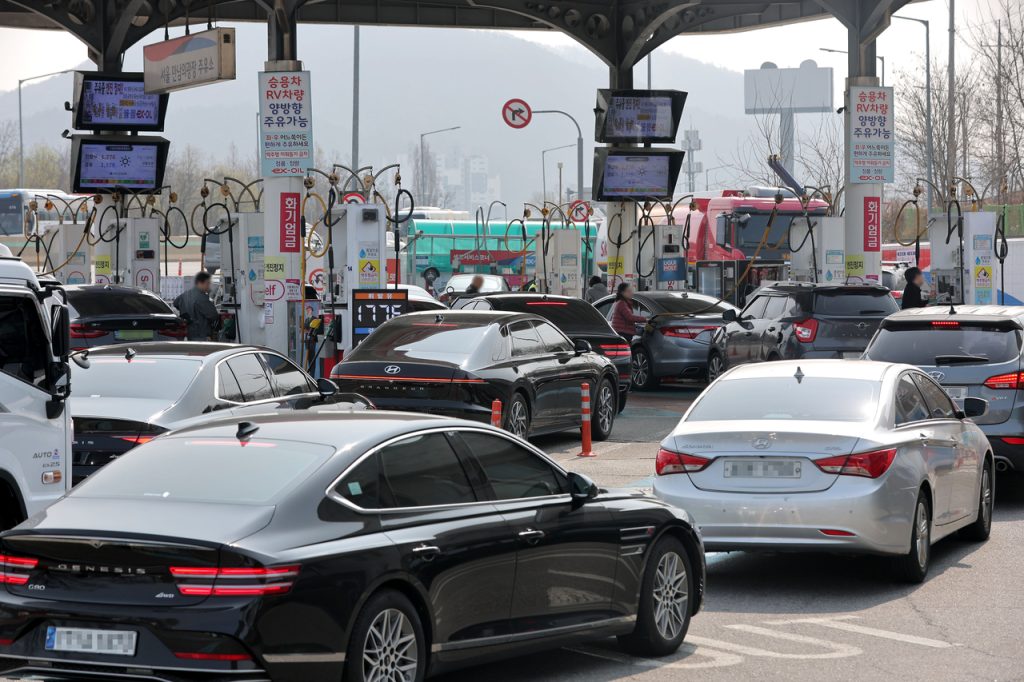
South Korea is considering expanding its vehicle rotation system to the private sector if global oil prices surge to $120-$130 per barrel. Finance Minister Koo Yun-cheol announced the potential measure Sunday as part of nationwide energy conservation efforts amid ongoing instability in the Middle East.
“Should the situation deteriorate, we might elevate the national resource crisis alert to Level 3,” Koo stated in a KBS television interview. “In such a scenario, we would extend the vehicle rotation system to the private sector and request public cooperation.”
The Finance Minister emphasized the government’s vigilance in monitoring all related factors, indicating that a price range of $120-$130 could trigger a Level 3 alert, up from the current threshold of $100-$110.
His statements follow last week’s government decision to raise the alert level by one notch to Level 2 within its four-tiered national resource security crisis warning system, citing possible disruptions to crude oil supplies.
Concurrently, a mandatory five-day vehicle rotation system was implemented for the public sector, while private sector participation was encouraged on a voluntary basis.
This system restricts vehicle usage one day out of every five business days, determined by the final digit of the vehicle’s license plate number.
The government is also developing a supplementary budget of 25 trillion won (approximately $16.6 billion) to alleviate the impact of rising oil prices and provide assistance to small and medium-sized businesses, as well as vulnerable households affected by the ongoing conflict.


