
NTA eyes South Korean firms to build, operate and service one of Israel’s largest infrastructure projects.
Israel is seeking collaboration with South Korean companies for its monumental $50 billion Tel Aviv metro project, a key infrastructure undertaking in the nation’s history, according to a senior official at NTA, the state-owned metropolitan mass transit system company.
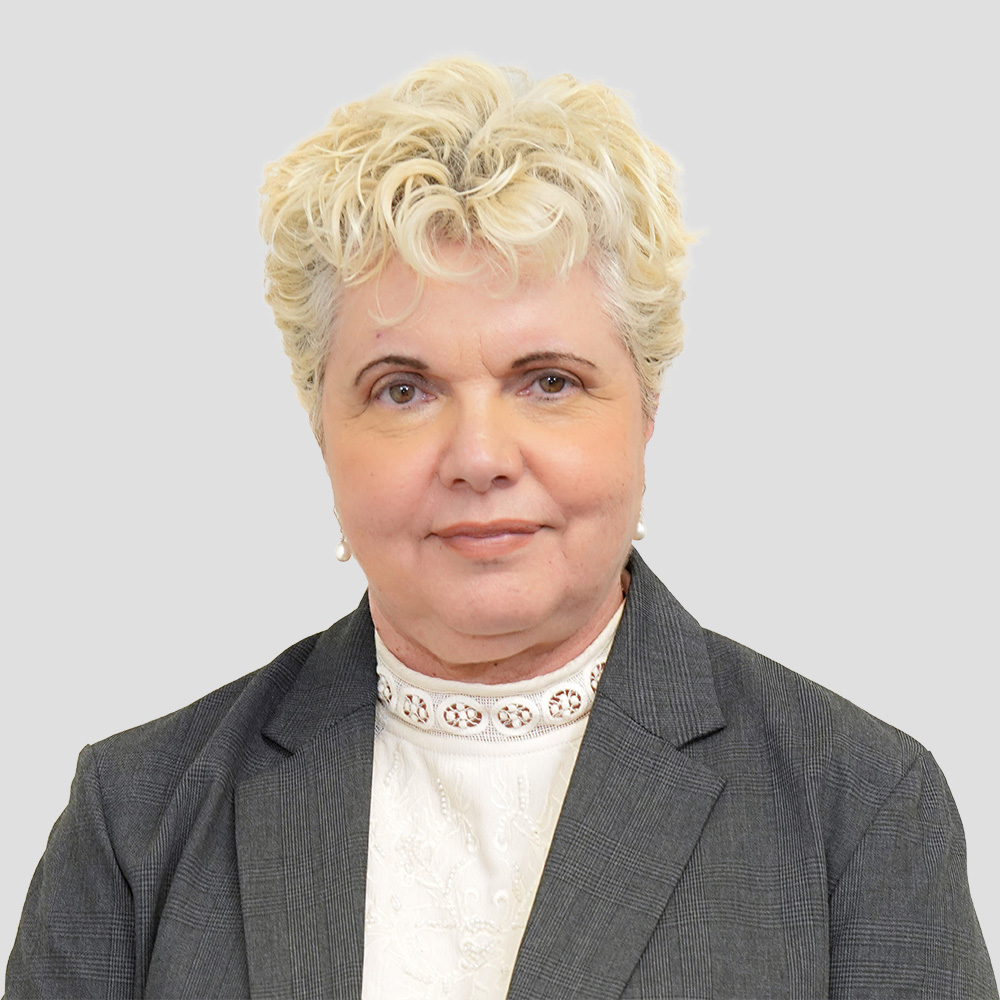
“I visited South Korea last year and was impressed by the extensive expertise available there,” stated Lea Shmool, head of the M3 line at NTA, in a recent video call with The Korea Herald.
“I was particularly struck by Korea’s developed metro industry. In Israel, we’re looking to cultivate similar expertise… We envision partnering with a consortium of companies encompassing engineering, construction, maintenance, and operation for the metro system, fostering a long-term relationship and partnership with Israel.”
The Tel Aviv metro project, as outlined by NTA, will consist of three lines spanning approximately 150 kilometers of underground network, incorporating 109 stations throughout the city’s metropolitan area across 24 municipalities. The project is slated for completion and passenger service commencement in 2037, with projected annual ridership reaching around 2 million passengers.
The Israeli government has already secured the necessary funding and enacted specific legislation to guarantee the project’s successful execution, highlighting its commitment to advancing the Tel Aviv metropolitan area, which currently houses an estimated population of over 4 million.
Shmool highlighted the efficiency and seamless integration of Seoul’s metro system, particularly noting the innovation of its driverless subway trains.
“We recently hosted a conference attended by over 50 international companies, including several South Korean firms who expressed keen interest in the project,” she mentioned.
While NTA refrained from naming the specific South Korean companies that participated in the Tel Aviv project conference, they acknowledged Korea’s position as a hub for industry-leading firms across diverse sectors, including rail, construction, civil engineering, technology, systems, and rolling stock.
Hyundai Rotem stands out as Korea’s foremost rolling stock manufacturer, while construction giants such as Daewoo E&C, Samsung C&T, Hyundai E&C, and GS E&C are renowned for their construction prowess.
According to the NTA official, the bidding process will consider both pricing and quality, emphasizing the strength of partnerships within consortia competing for contracts.
Addressing concerns regarding geopolitical risks in the Middle East amidst ongoing tensions involving Iran and the United States, Schmool emphasized Israel’s readiness and resilience.
“Construction activities are proceeding safely, even during periods of conflict,” she affirmed. “In fact, they have never ceased. We have established protocols and know how to respond to alerts… The country is well-prepared, with shelters readily available… These situations are temporary, and normalcy swiftly resumes.”
hwkan


