
Samsung Seeks to Cut $9.2 Billion Chip Bill Without Risking Flagship Edge
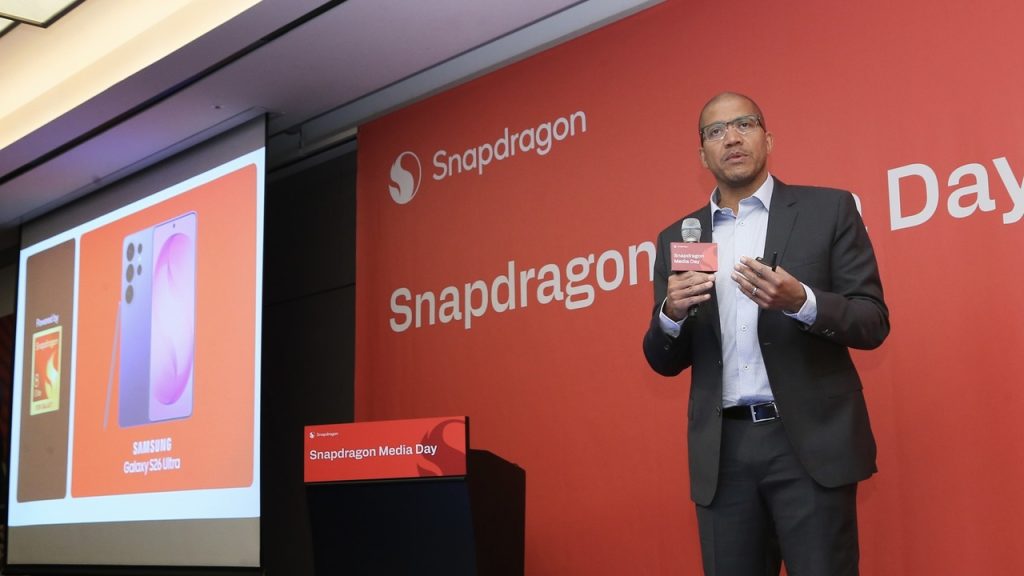
At a media briefing Friday in Seoul, Qualcomm emphasized its strategic partnership with Samsung, positioning itself as a core collaborator, not just a supplier, in the development of Galaxy smartphones.
Chris Patrick, Qualcomm’s senior vice president for mobile handsets, highlighted the close collaboration, stating that the two companies work “as one team from the beginning,” co-designing chips years before a Galaxy device’s market launch.
This show of partnership comes as Samsung is strategically re-evaluating its reliance on Qualcomm for its flagship devices.
Recently, Samsung introduced its in-house Exynos processor back into its premium smartphone lineup with the Galaxy S26 and S26 Plus. However, the Galaxy S26 Ultra continues to utilize Qualcomm’s Snapdragon, highlighting a balanced approach.

While Qualcomm previously supplied 100% of the chips for the Galaxy S25, reports indicate this figure has decreased to approximately 75% for the S26. Kiwoom Securities analyst Park Yoo-ak forecasts a further reduction to 50% for the upcoming S27.
“The timing is significant,” notes Ahn Ki-hyun, executive director of the Korea Semiconductor Industry Association. “With Samsung openly aiming to integrate Exynos across its entire Galaxy lineup, Qualcomm is proactively demonstrating its value proposition.”
Professor Lee Jong-hwan, a semiconductor specialist at Sangmyung University, describes Qualcomm’s emphasis on co-design as “a repositioning,” underlining that deep integration in the development cycle makes it harder to replace a chipmaker.
The $9.2 Billion Question
Samsung’s push for Exynos processors is primarily driven by cost savings. In 2025, Samsung’s expenditure on mobile processors from external suppliers, mainly Qualcomm, reached $9.2 billion, a 26.5% increase year-over-year.
This expense nearly equals the operating profit of Samsung’s entire mobile division last year. In comparison, Apple, designing its own chips, boasts a smartphone margin exceeding 30%, while Samsung’s MX division operates around 11%.
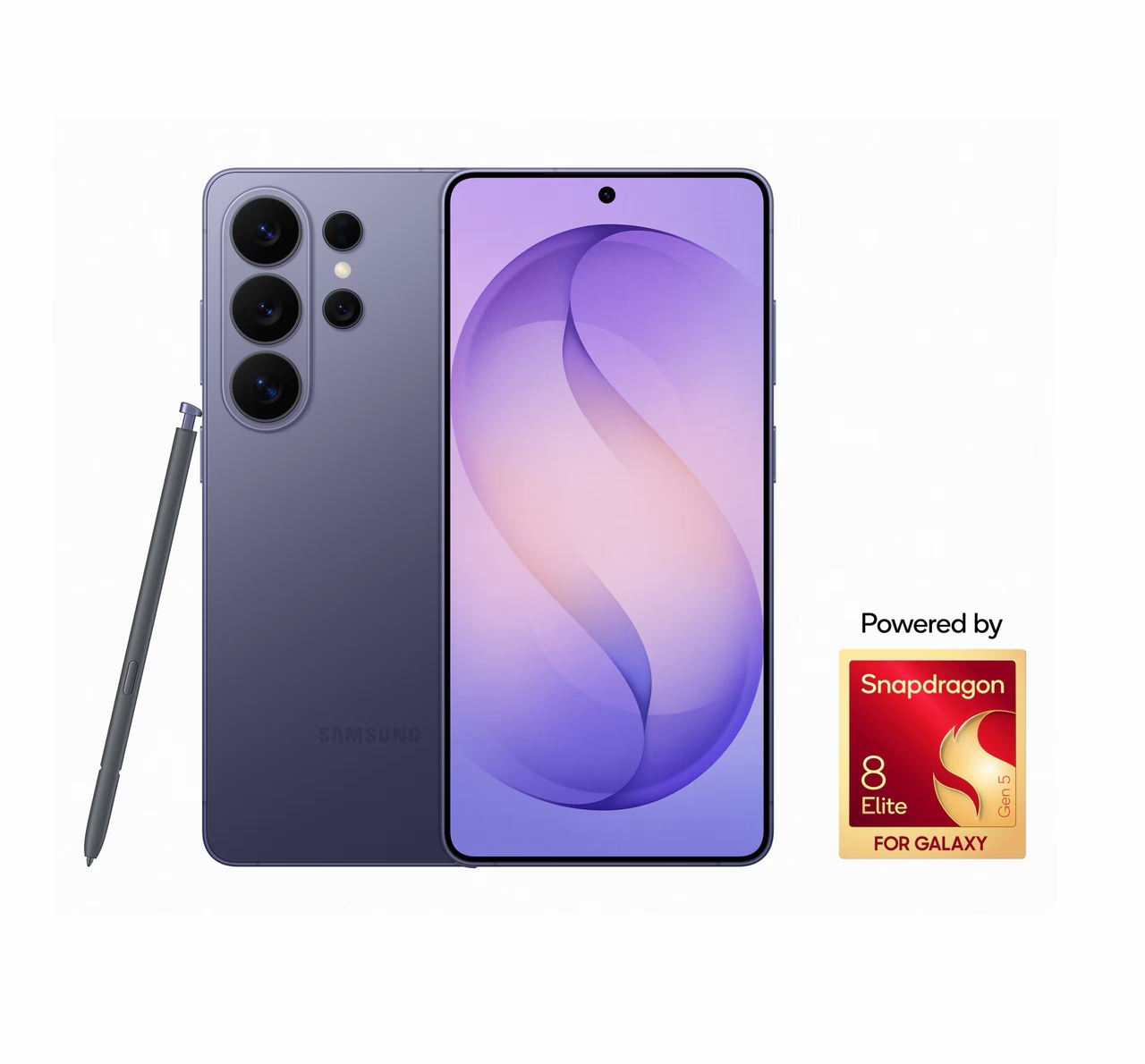
“Reducing external AP procurement costs is the most direct way for Samsung to boost mobile profitability,” analyst Park states. Samsung’s chip design division reportedly prices the Exynos 2600 $20-$30 lower than its Snapdragon equivalent.
Why Samsung Still Chooses Qualcomm for its Premium Devices
While cost reduction is a strong motivator, executing the transition is a complex task. The Exynos 2600 has seen significant improvements, with Samsung claiming a 39% CPU performance increase and a 113% boost in AI processing compared to previous generations. The chip has also matched or surpassed Snapdragon in several AI benchmarks.
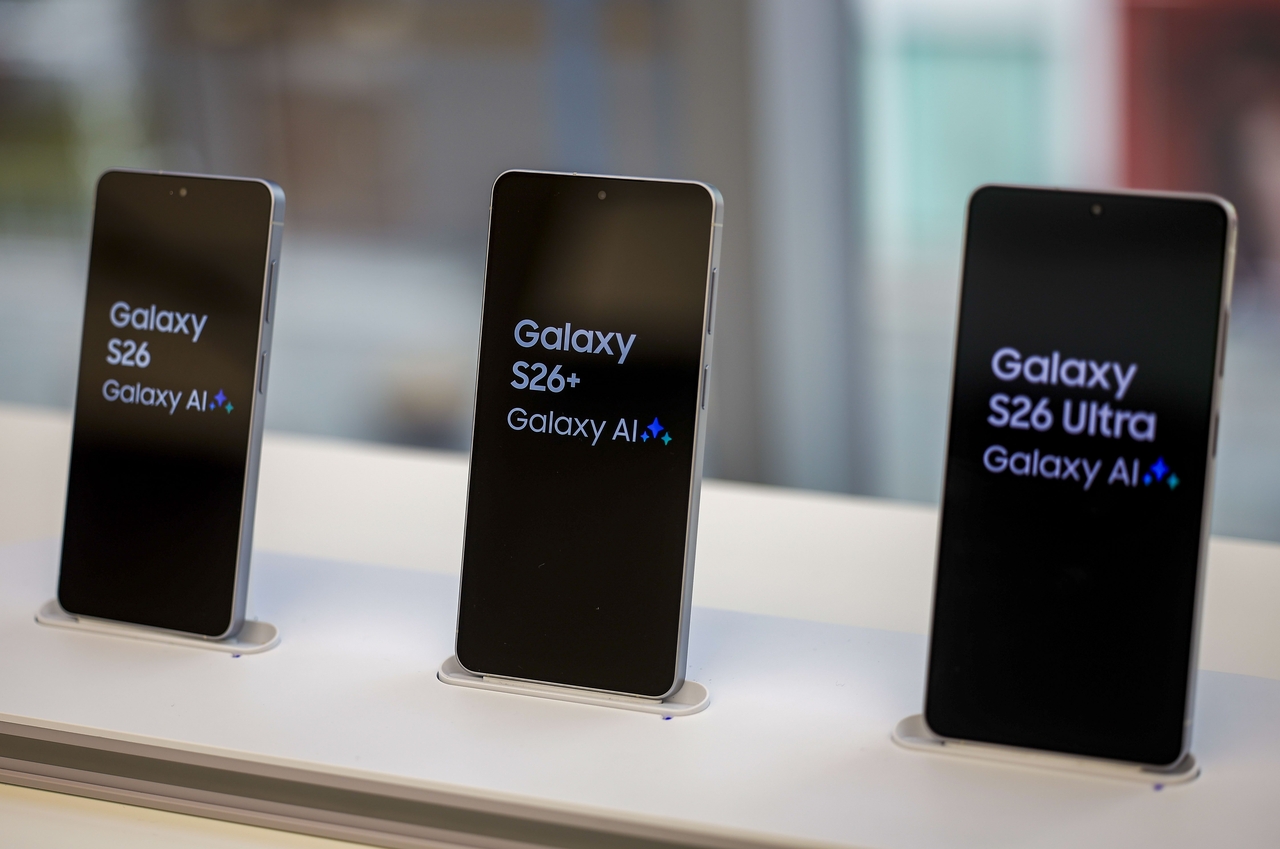
Despite these improvements, Samsung continues to use Snapdragon in its Ultra model, its flagship device competing directly with Apple’s iPhone Pro and a significant contributor to Galaxy profits.
Independent reviews have pointed out that the Exynos can run slightly hotter and consume more battery power under sustained usage.
“The performance gap has narrowed significantly,” Prof. Lee observes. “However, it hasn’t completely reached the point where most users wouldn’t notice a difference.”
Three Divisions, Three Priorities
Samsung possesses the potential to replicate the co-design loop entirely in-house, with its System LSI unit designing Exynos, its foundry manufacturing it, and its MX division integrating it into the phone. However, these three operate as independent profit centers with potentially conflicting objectives.
According to Prof. Lee, the MX division’s goal is to “ship the most competitive phone with the least risk to the Galaxy brand.” System LSI requires wider Exynos adoption to demonstrate its value. The foundry, having recently secured a significant chip contract from Tesla and producing Nvidia’s Groq 3 inference chip, increasingly focuses on high-performance computing (HPC) and aims to surpass mobile revenue within five years.
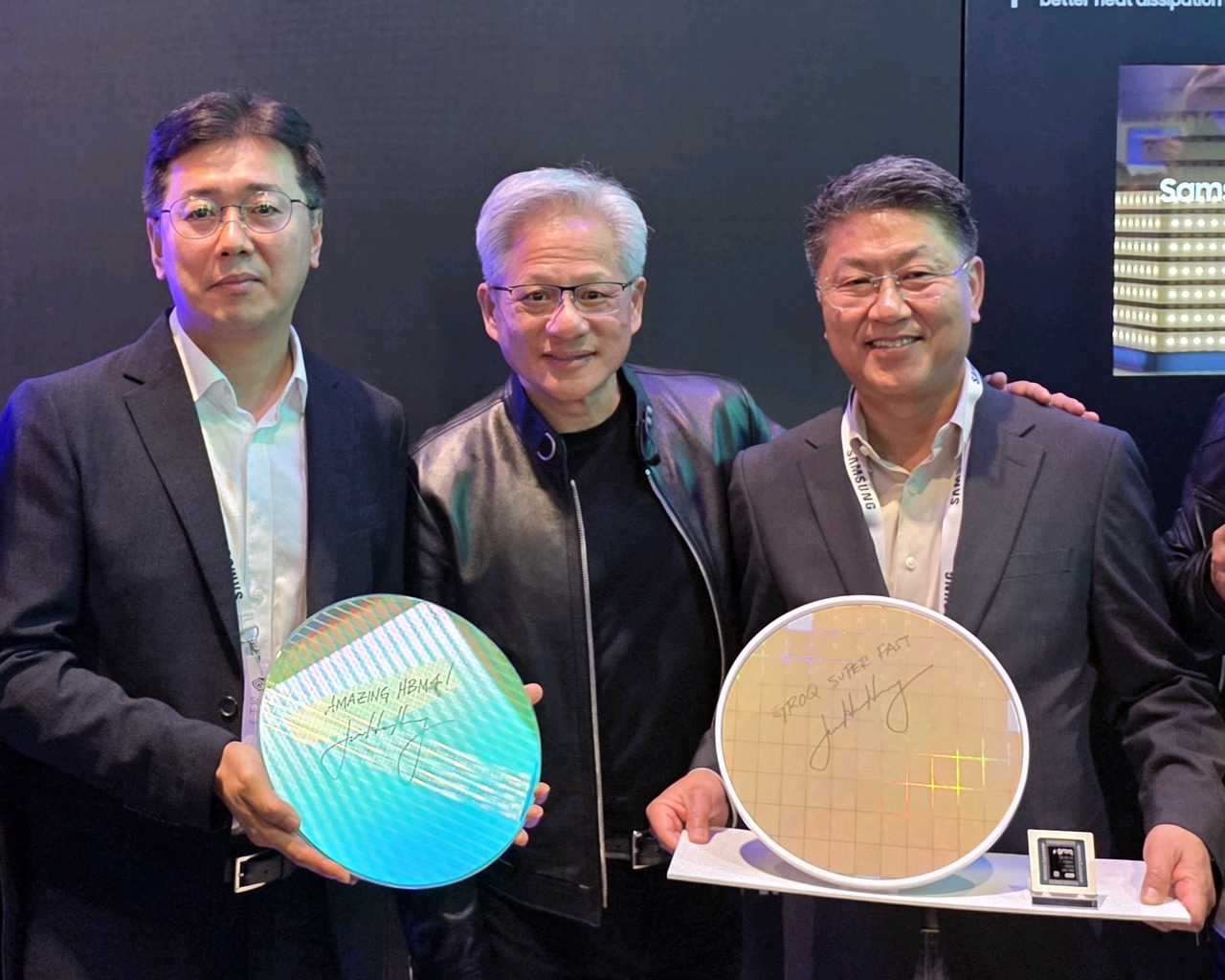
“The technology for synergy exists,” Prof. Lee says, “but the units responsible for design, manufacturing, and the final product don’t always share the same priorities.” Ahn offers a more positive perspective: “If Samsung manages this structure effectively, it can become a powerful advantage.”
Samsung’s next Exynos processor, the 2700, is currently in sample production, targeting the Galaxy S27. Built on an improved process, it is expected to further close the performance and efficiency gap. Analyst Park predicts that it could help Samsung’s non-memory chip business achieve an annual profit of $1.3 billion by 2027. However, Samsung has faced challenges in the past, with the Exynos 2200 experiencing overheating issues and the Exynos 2500 never making it into the Galaxy S25 series.
“Consistency is key,” concludes Ahn. “If Samsung rushes expansion and encounters further problems, the resulting damage to trust will outweigh any cost savings.”
mjh


