
The South Korean government is contemplating imposing restrictions on naphtha exports as the nation grapples with supply shortages of this crucial material, a key component in the petrochemical and various other industries. The potential export limitations are a response to ongoing geopolitical tensions in the Middle East, according to Seoul officials on Tuesday.
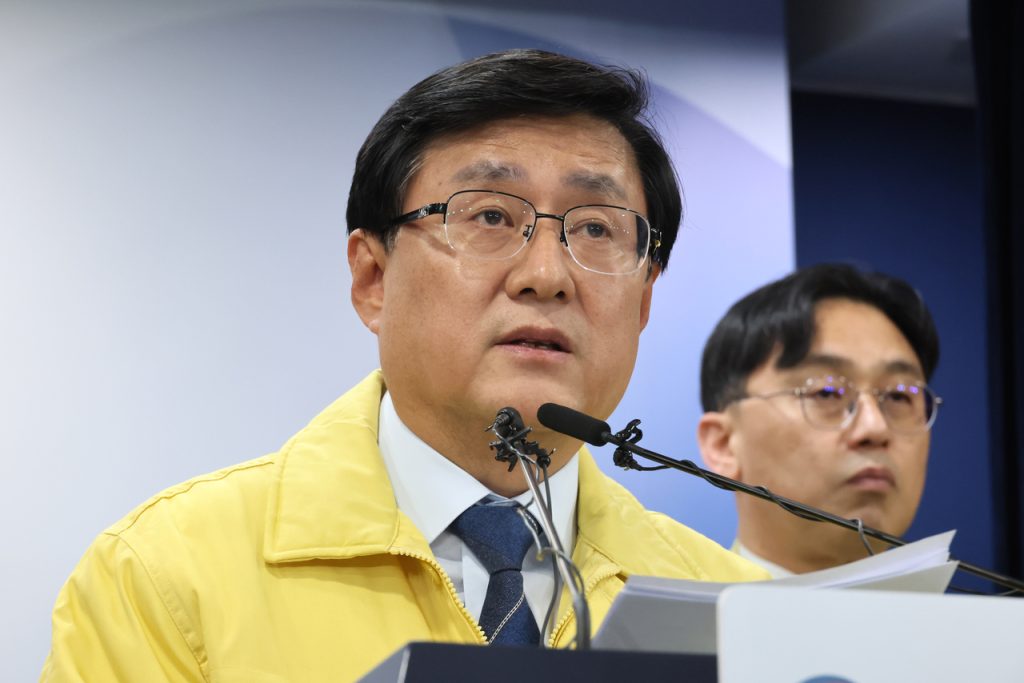
“Related ministries are preparing for the implementation of naphtha export restrictions,” stated Yang Ghi-wuk, deputy minister for trade, industry and resource security, during a daily briefing addressing resource supplies amidst the Middle East crisis.
These preparations are underway as South Korea experiences increasing disruptions in its naphtha supply chain. These disruptions follow the U.S. and Israeli airstrikes against Iran in late March. Notably, Yeochun NCC and other companies have announced “force majeure” for certain products due to the naphtha scarcity. “Force majeure” refers to an unpredictable and uncontrollable event preventing a company from fulfilling its contractual obligations.
South Korea relies on imports for approximately half of its naphtha needs, with a significant portion transported through the Strait of Hormuz, a critical Middle Eastern trade route. This route has been effectively constricted due to regional conflicts.
“In the event that the supply shortage persists, we are also preparing for an emergency supply adjustment order,” Yang added.
On Monday, LG Chem Ltd. also announced the suspension of operations at its ethylene production facility located in Yeosu, a city in southwestern South Korea, attributing the shutdown to disruptions in naphtha supply. Ethylene is produced through the naphtha cracking process.


