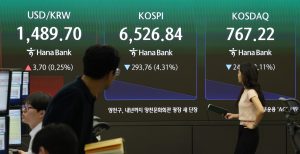
The South Korean won (KRW) plummeted to a new 17-year low against the US dollar (USD) on Monday, fueled by persistent geopolitical uncertainties surrounding the Iran crisis. This heightened risk aversion has driven increased demand for the safe-haven dollar, putting downward pressure on the Korean currency.
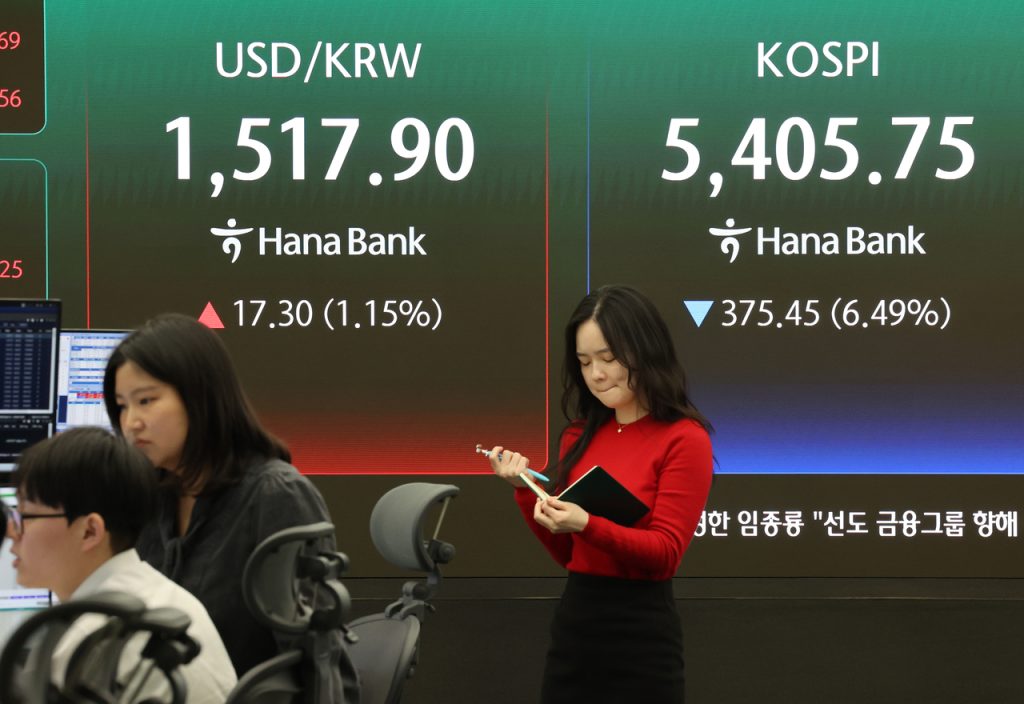
As of 3:30 p.m. KST, the won traded at 1,517.30 against the dollar, a significant drop of 16.7 won from the previous trading session, after opening at 1,504.9. The weakening won reflects growing investor anxiety amid escalating regional tensions.
On Thursday, the won closed at 1,501 per dollar, marking its weakest level since March 9, 2009, when it reached 1,549 during the height of the global financial crisis. This breach of the 1,500 level is a key indicator of the current economic climate.
While the won saw a slight rebound to 1,500.6 won per dollar on Friday, it was the first time since 2009 that the currency has remained below the critical 1,500-won threshold for two consecutive trading sessions, signaling a sustained period of weakness.
Iran’s increasingly assertive rhetoric on Sunday further exacerbated market concerns. The country threatened to target the energy and water infrastructure of its Gulf neighbors if the United States were to attack Iran’s electricity grid, escalating fears of a wider regional conflict.
Despite hopes for de-escalation following statements from US President Donald Trump, who indicated a reluctance to deploy troops, and Israeli Prime Minister Benjamin Netanyahu, suggesting Israel would refrain from further attacks on Iranian energy facilities, market anxieties remain elevated.
Net selling of South Korean stocks by foreign investors also contributed to the won’s depreciation. On the main KOSPI bourse, offshore investors sold a net 3.67 trillion won ($2.43 billion USD) worth of shares, further weighing on the currency.
The Korea Composite Stock Price Index (KOSPI) experienced a sharp decline, falling 375.45 points, or 6.49 percent, to close at 5,405.75, reflecting the overall negative market sentiment.