China Leads in Humanoid Robot Scale, Korea Focuses on Dexterity and Tactile Sensing
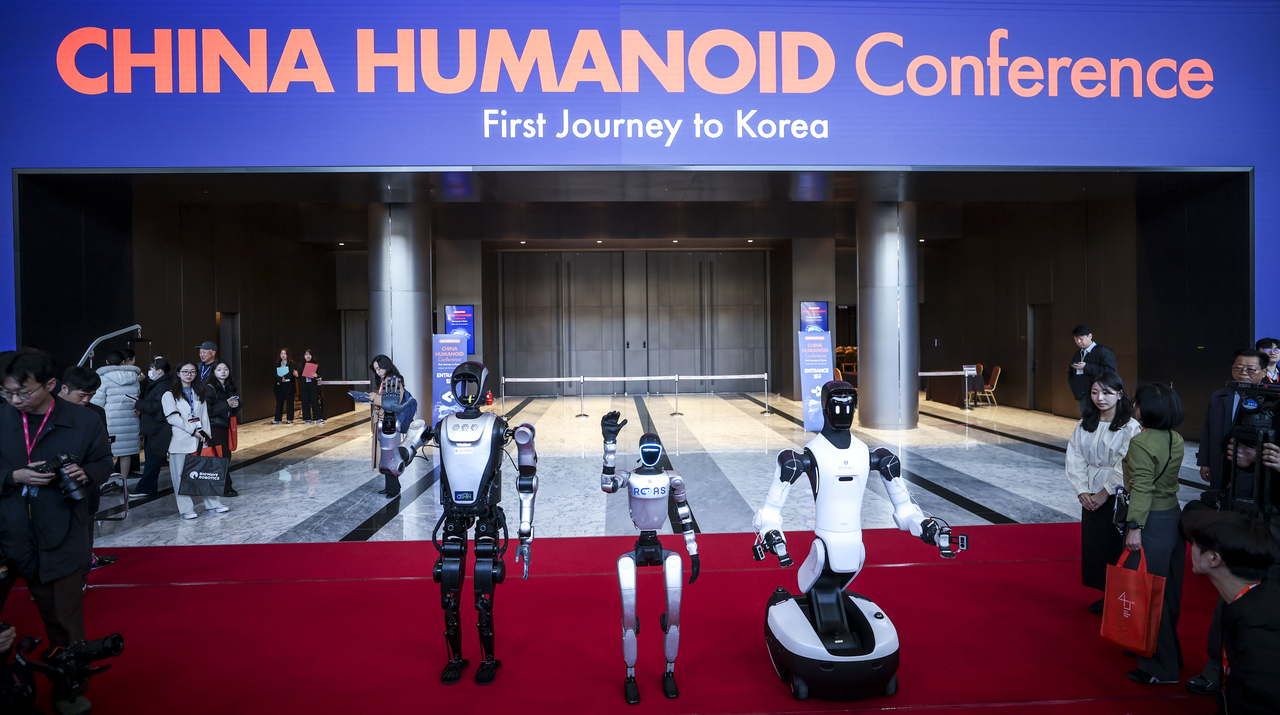
Earlier this month, Seoul played host to the China Humanoid Conference, a clear signal of China’s growing presence in the robotics field. Companies like Unitree, Fourier, Leju, and Huawei showcased their humanoid robots already deployed in Chinese factories and retail environments.
For Korean engineers, the event highlighted the current landscape: China dominates humanoid robot production, boasting over 140 companies in the sector. In terms of sheer volume and rapid development, China holds a significant lead.
However, a key challenge remains, even for advanced Chinese robots. Yan Weixin, a senior researcher at Shanghai Jiao Tong University’s AI institute, pointed out that while his team has successfully replicated 32 out of 33 fundamental hand motions, mastering chopsticks remains elusive. This task requires “very precise force control and tactile perception,” capabilities that even sophisticated Chinese humanoids are still developing. This highlights the gap between basic locomotion and the intricate manipulation skills of a young child.
This distinction reveals two different areas of competition. While China has excelled in addressing the engineering challenges of walking and movement through scale and speed, the data-intensive problem of dexterous manipulation remains unsolved. South Korean companies believe they possess crucial elements to bridge this gap.
“Close Your Eyes and Pick Up a Cup”
While China accounts for approximately 87% of global humanoid robot shipments, fueled by substantial government funding (over $26 billion, according to the Wall Street Journal), the applications are often limited. Cho Eun-kyo, a research fellow at the Korea Research Institute, explained that “most factory deployments today involve logistics and patrol, tasks that rely on locomotion, not hands.”
A humanoid robot capable of navigating a factory floor but unable to perform intricate tasks like gripping a screw, inserting a cable, or folding fabric offers limited commercial value. “The tasks that generate industrial value, that still account for 30 to 40 percent of an automotive production line, all live in the hand,” she stated.
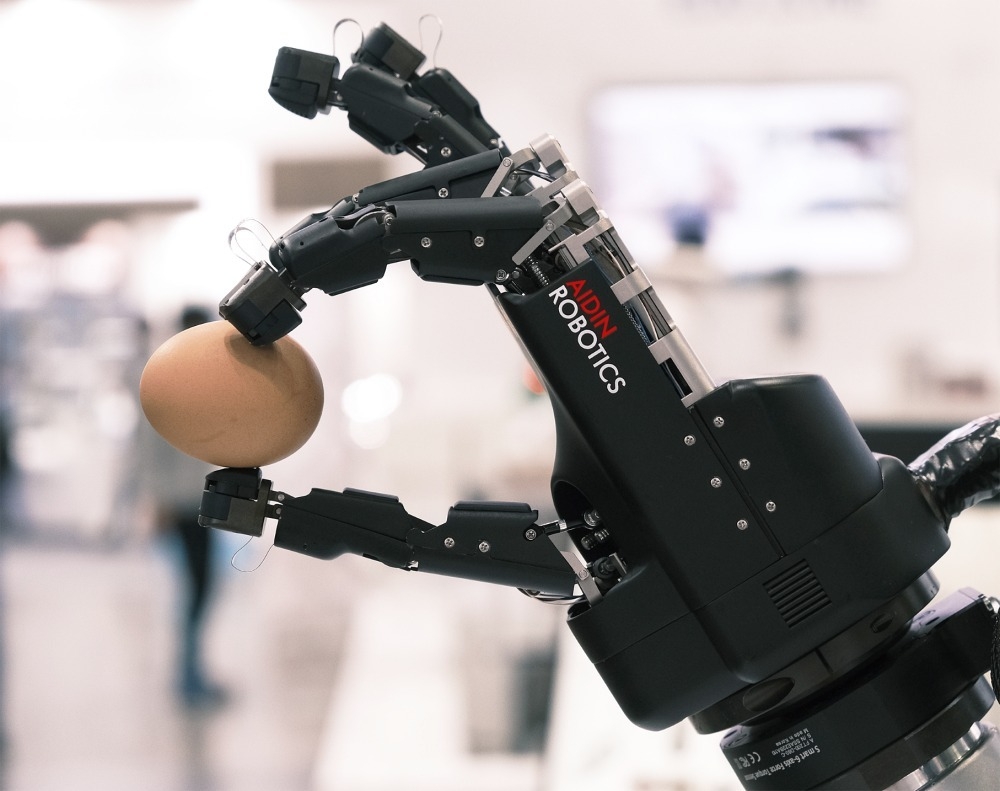
The underlying technical challenge is straightforward: imagine picking up a paper cup with your eyes closed. Your hand instinctively gauges whether it’s empty, half-full, or hot, adjusting its grip accordingly. Robots struggle with this. Their cameras can identify the cup, but they lack the tactile feedback necessary to apply the appropriate force. Choi Hyouk-ryeol, a mechanical engineering professor at Sungkyunkwan University and CEO of sensor firm Aidin Robotics, emphasized this point.
Walking, Choi explained, is a “closed problem” with predictable environments that can be solved through mass data collection. In contrast, manipulation is an “open” challenge. Every object and surface requires a unique grip, and the tactile data needed to program this sensitivity is scarce. This explains why China’s rapid iteration approach hasn’t unlocked dexterous manipulation in the same way it has locomotion. It also sheds light on Tesla’s reported delays in deploying its Optimus humanoid in factory settings.
Korean Robot Hands Already in Production
Korean companies are focusing on tackling this unsolved challenge.
Samsung Electronics has reportedly established a dedicated “Hand Lab” within its Future Robotics Division, employing a tendon-driven mechanism to replicate the anatomy of the human hand.
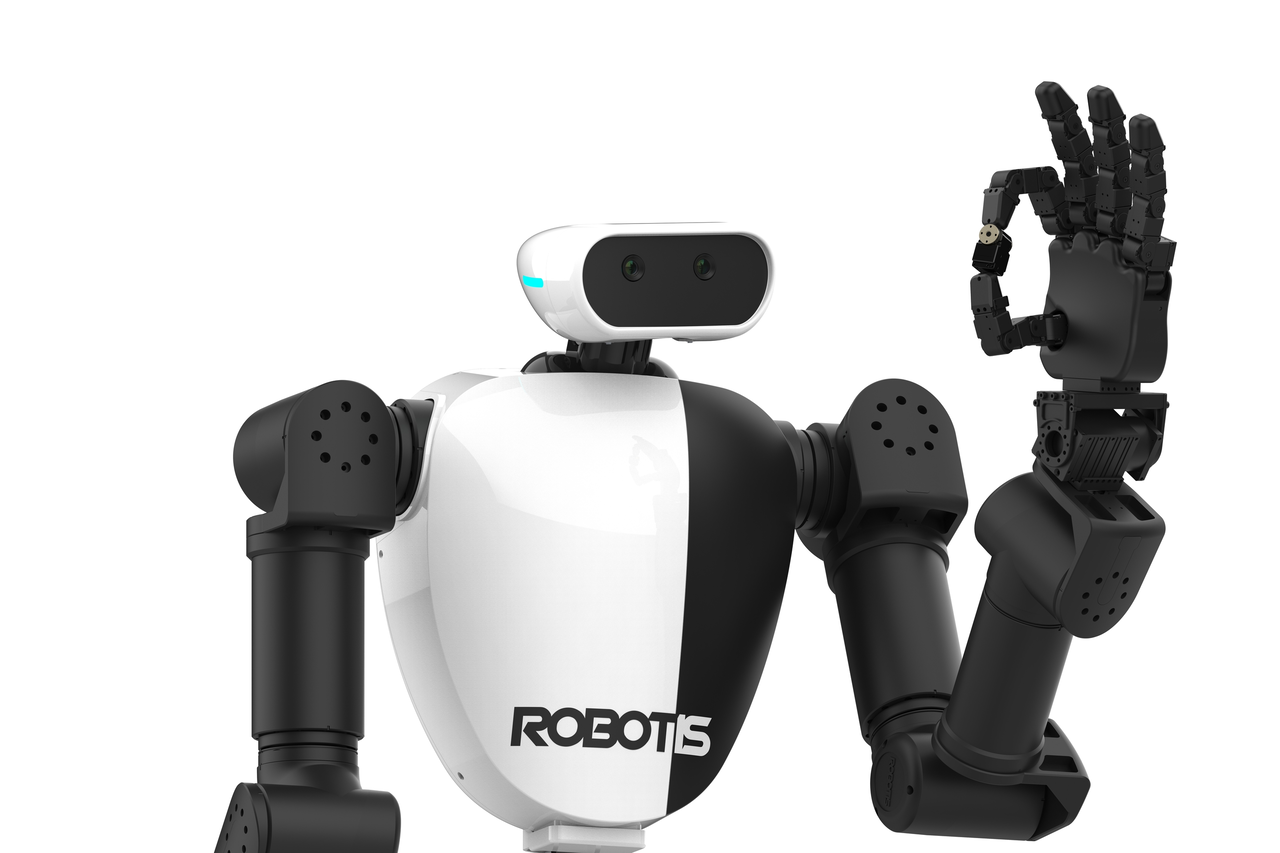
Robotis, a mid-sized Korean robotics company, launched a five-fingered hand this year priced around 8 million won ($5,340), approximately 70% lower than competitors. This cost reduction was achieved by manufacturing over 90% of the components in-house, including tactile sensors. The company currently has a four-month order backlog, with early buyers including Google and Apple, according to industry sources.
Underlying these advancements is the crucial sensing layer. Aidin Robotics, led by Professor Choi, supplies force and torque sensors to 400 companies across 15 countries, including some in China. He argues that the competitive advantage lies not just in the hardware, but in the integrated “sensor, force control, and AI solution” honed through years of real-world deployment.
These examples share a common thread: the belief that the hand race will be won not on volume, but “on the fusion of mechanical precision, tactile sensing, and data that only comes from real manufacturing environments,” according to researcher Cho. “Korea’s semiconductor fabs and automotive lines generate force and contact data that scarcely exists elsewhere.”
A Time Advantage, Not a Permanent One
Professor Choi openly acknowledges the limitations. “What Korea has is only a time advantage,” he stated. While Chinese firms were simply copying Aidin’s sensor designs two years ago, “comparable products are now emerging.”
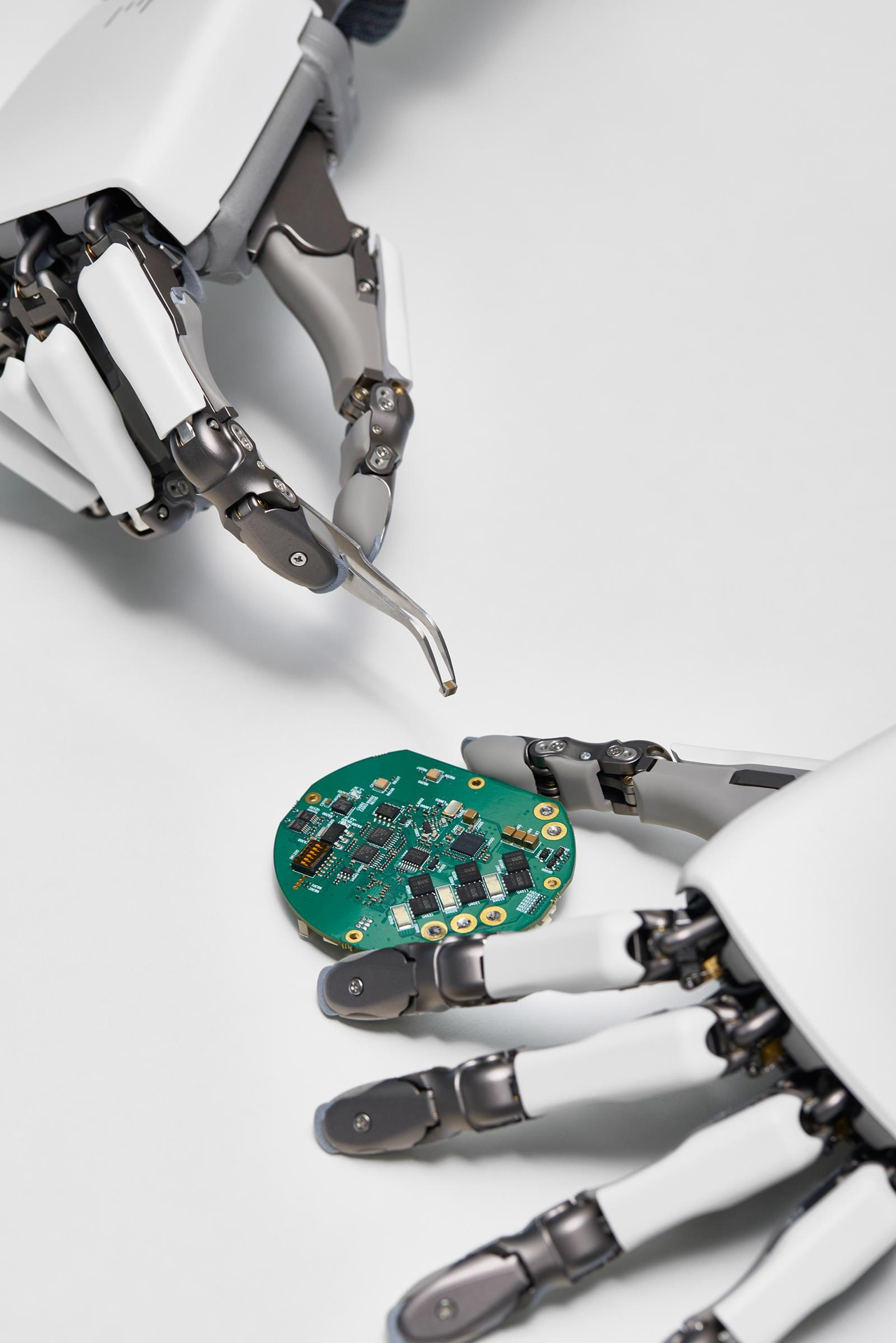
WeRobotics, a startup founded by former Samsung engineers, is acutely aware of this competitive pressure. Its cable-driven hand system attracted significant attention at CES 2026, with engineers from Nvidia, Amazon, and Meta praising its “world-class” dexterity. However, CEO Kim Yong-jae recognizes the need to achieve production scale before Chinese competitors close the gap.
Cho at KIET suggests that Korea should avoid attempting to match China’s comprehensive humanoid ambitions. Instead, the strategic approach is to become an indispensable provider of a critical module.
“If Korea secures that position in the hand,” she concluded, “it doesn’t matter who assembles the rest of the robot.”
mjh