The South Korean won (KRW) experienced a significant drop against the US dollar (USD) on Friday, fueled by surging global oil prices and escalating geopolitical tensions in the Middle East.
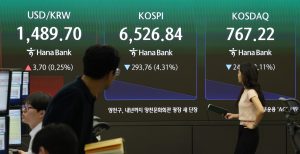
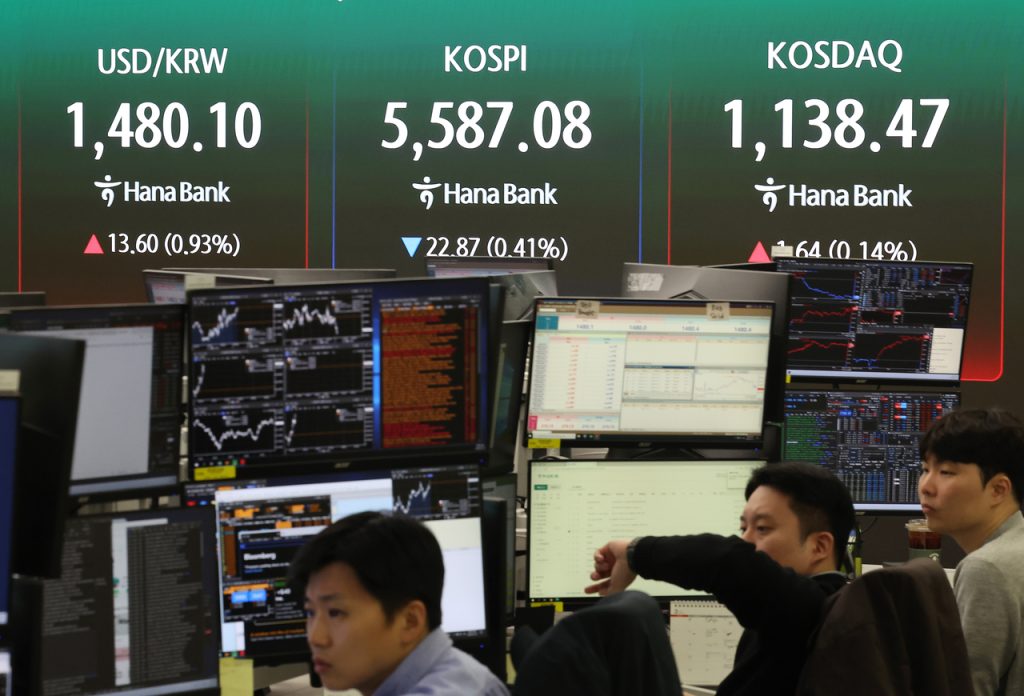
The won opened trading at 1,490.6 KRW per dollar, a decrease of 9.4 KRW from the previous trading session’s close.
This weakening of the won is attributed to a renewed spike in global oil prices, which are nearing $100 per barrel. These price increases followed warnings from Iran’s new leader, Mojtaba Khamenei, regarding the potential closure of the Strait of Hormuz. This statement has heightened concerns about potential supply disruptions and further escalated tensions in the Middle East region.
Financial markets, including foreign exchange and stock markets, have exhibited increased volatility since the US-Israeli attacks on Iran, contributing to instability across the broader region.
Earlier in the week, on Monday, the South Korean currency reached its lowest level since March 12, 2009, falling to 1,495.5 KRW against the US dollar. This previous low occurred during the global financial crisis.
The rise in oil prices is placing downward pressure on the Korean won. As a major importer of crude oil, South Korea’s demand for US dollars to pay for these imports increases, further weakening the local currency. South Korea is highly reliant on energy imports to meet its domestic needs.