
A new catalog highlighting Korean paintings preserved in major museums around the world has been published with support from RM of BTS.
The Overseas Korean Cultural Heritage Foundation, affiliated with the Korea Heritage Service, announced the publication of “It’s Here: Korean Paintings Shining Abroad,” a richly illustrated catalogue that documents significant Korean paintings currently held in overseas museum collections.
The project was made possible through a donation by RM in 2022, reflecting the artist’s well-known interest in art and cultural heritage. This initiative highlights the growing interest in Korean art and the importance of preserving cultural heritage.
Designed in an artbook format accessible to both researchers and the general public, the catalogue introduces 24 Korean paintings located outside Korea, presenting their artistic value and historical significance through high-resolution images and detailed commentary. It’s a valuable resource for those studying Korean art history and cultural preservation.
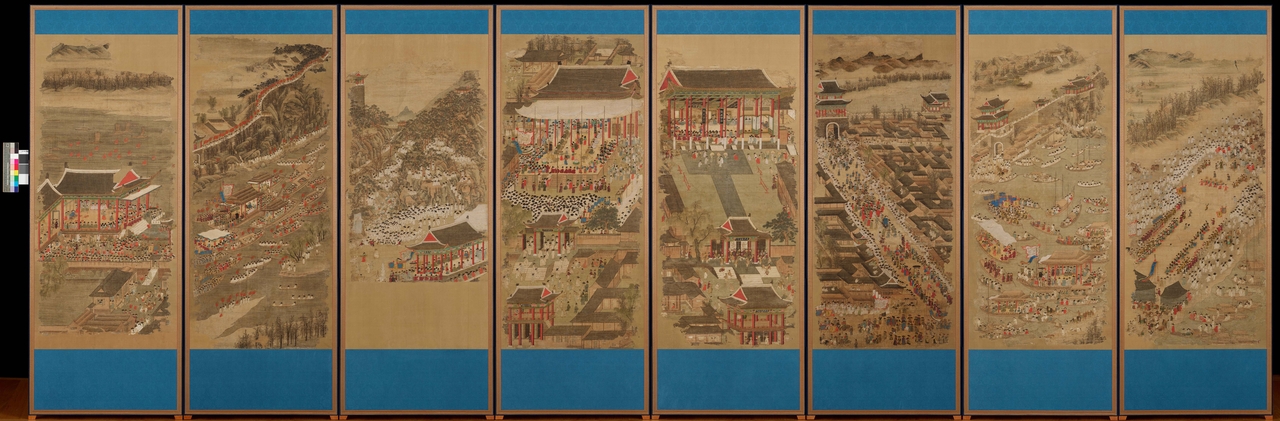
“Welcoming Banquet of the Governor of Pyeongan,” an eight-panel screen, illustrates a banquet hosted in 1826 by the governor of Pyeongan Province — roughly coinciding with North and South Pyongan provinces in northwestern North Korea today — to honor the two top candidates who had aced the grueling state examinations to become public officials. This painting offers a glimpse into 19th-century Korean culture and government administration.
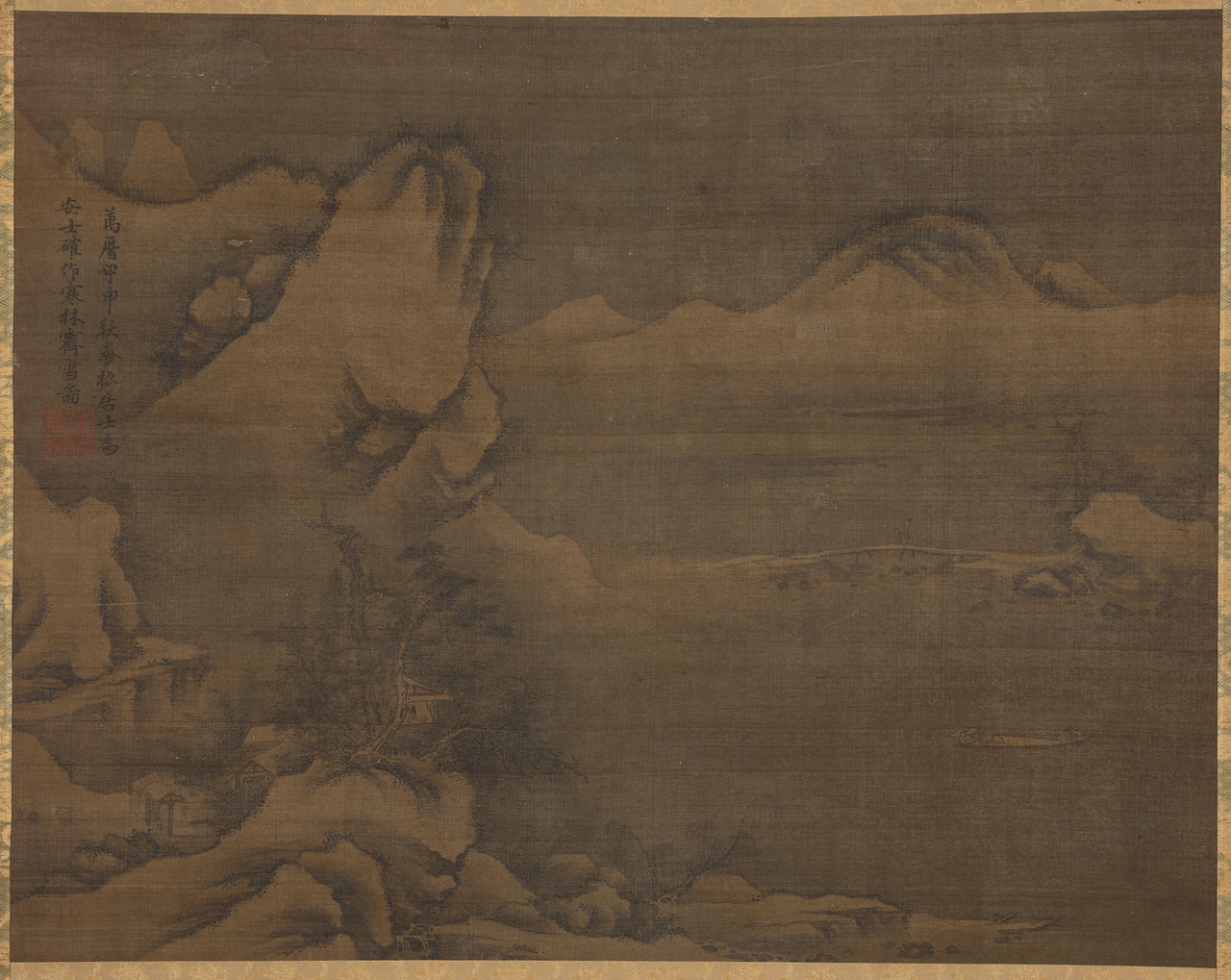
“Snowscape with Figures,” a hanging scroll housed at the Cleveland Museum of Art, is described by the museum as a rare surviving example of painting from the early Joseon era (1392-1910). This painting is significant in Joseon Dynasty art and showcases the artistic techniques of the period.
The work is attributed to Kim Si, a member of the aristocracy who withdrew from public life and devoted himself to art after his father fell from political power. His life story adds depth to the interpretation of his Korean landscape painting.
According to the museum, the painting’s image of a solitary scholar seated in his studio amid trees and snow-covered mountains goes beyond a simple depiction of the idealized life of a recluse devoted to scholarly pursuits.
Instead, the work can be read as the artist’s “mindscape,” reflecting an inner world shaped by personal loss and retreat, suggesting that the former glory of his family had already receded into the past. This interpretation allows for analysis of the painting in terms of Korean art symbolism and personal expression.
gypark