
Korean Supreme Court Rules: Each Act of Trade Secret Theft a Separate Crime
In a landmark ruling with significant implications for intellectual property law, the South Korean Supreme Court has determined that each stage of trade secret theft, transfer, and utilization constitutes a distinct criminal offense. This decision expands the potential criminal liability in cases involving the alleged leakage of sensitive technology, particularly in instances like the one involving Samsung Electronics’ semiconductor technology purportedly shared with Chinese entities.
The court’s ruling clarifies that the act of stealing trade secrets, passing them on to an accomplice, and subsequently using them are not part of a single, continuous crime. Instead, they are independent criminal acts, overturning previous lower court decisions that treated the entire sequence as one instance of “use.” This clarification is vital for prosecuting complex cases of industrial espionage and technology theft.
The specific case prompting this ruling centers on accusations against former employees of Samsung Electronics and a Samsung supplier. These individuals are accused of misappropriating proprietary designs and process data related to semiconductor equipment. The stolen information was allegedly uploaded to a shared server and used for chip development activities in China.
While lower courts had convicted the defendants of using trade secrets overseas due to the file uploads, they had acquitted them on charges related to the initial acquisition and sharing of the secrets within the group. The rationale was that internal sharing was merely a component of the ultimate usage and did not constitute separate criminal behavior.
The Supreme Court strongly refuted this interpretation.
The court asserted that if an individual unlawfully obtains confidential design documents and then shares them with a colleague previously unaware of the information, that act of sharing itself constitutes unlawful disclosure. Simultaneously, the colleague’s receipt of the material represents unlawful acquisition. Both these actions are legally distinct from the subsequent use of the technology.
This judgment is rooted in Article 18 of the Unfair Competition Prevention and Trade Secret Protection Act, which delineates acquisition, use, and disclosure as separate and independent offenses.
As a result of the Supreme Court’s decision, parts of the appellate ruling have been vacated, and the case has been remanded to the Seoul High Court for further review and proceedings.
One of the key defendants, a former Samsung manager identified as Mr. Kim, had previously been sentenced on appeal to six years in prison and fined 200 million won ($138,400). Additionally, two former employees of Eugene Technology, a Samsung semiconductor equipment supplier, had received prison sentences of up to two years and six months. These sentences are now subject to reconsideration in light of the Supreme Court’s ruling.
Prosecutors have also charged Mr. Kim with illegally obtaining Samsung’s 18-nanometer DRAM process technology. The South Korean government classifies this technology as critical to national economic security and has placed restrictions on its transfer overseas.
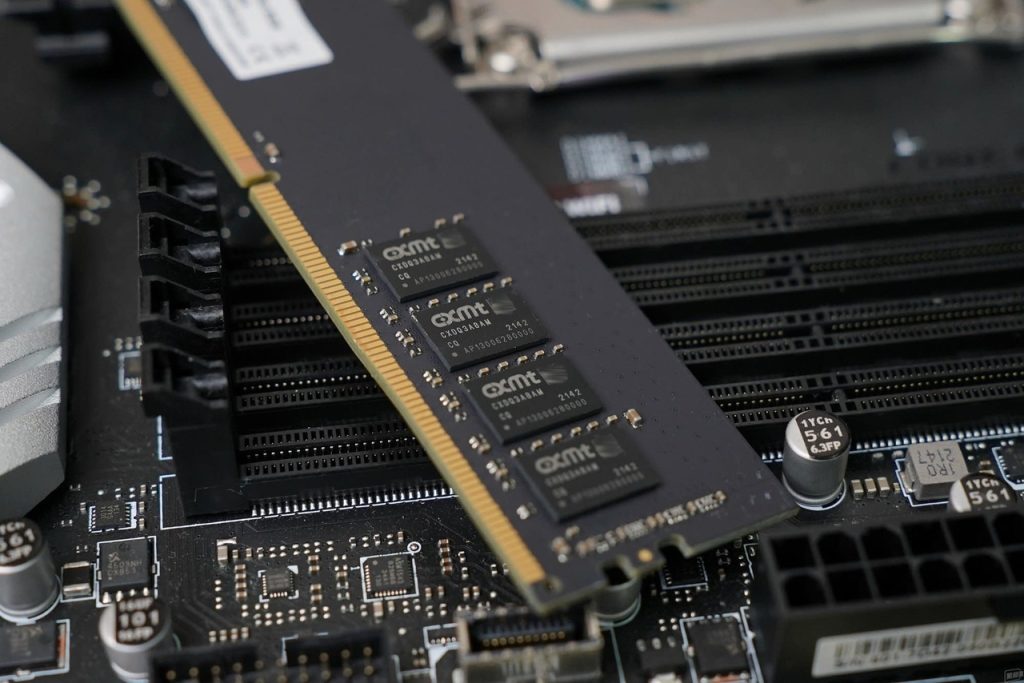
This case is part of a larger investigation into the alleged transfer of Samsung technology to ChangXin Memory Technologies (CXMT), a Chinese company specializing in DRAM chip manufacturing. The probe highlights concerns about the protection of South Korean technological assets and the potential for intellectual property theft by foreign entities.
By unequivocally stating that each step in a trade secret theft chain can be treated as a separate offense, the Supreme Court’s ruling is expected to empower prosecutors to pursue multiple charges against individuals involved in coordinated technology theft schemes. This ruling strengthens South Korea’s legal framework for safeguarding trade secrets and deterring industrial espionage.
mjh


