
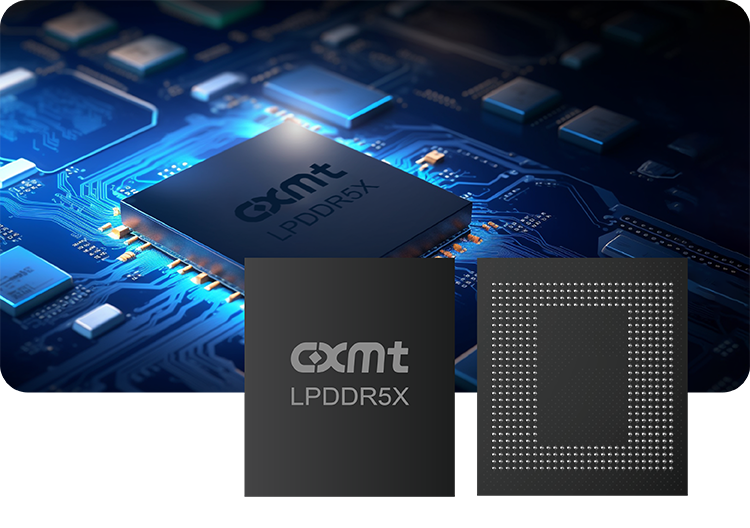
CXMT Slashes DDR4 Prices by 50% as YMTC Strengthens NAND Position, Sparking Concerns for Korea’s DRAM Legacy
While Samsung Electronics and SK hynix compete fiercely to lead in the sixth-generation high-bandwidth memory (HBM) market, Chinese manufacturers are making significant inroads in other memory segments. CXMT, backed by state funding, is reportedly flooding the legacy DRAM market with aggressively priced chips, creating potential challenges for Korean dominance.
Industry sources revealed on Friday that China’s leading DRAM manufacturer, CXMT, is offering older-generation DDR4 memory chips at approximately half the prevailing market price. This strategy is being deployed amid global supply constraints that have driven DRAM prices upwards. The low-price strategy is aimed at aggressively capturing market share for legacy products used in mobile devices and personal computers.
DDR4 remains a crucial component in numerous devices, including PCs and TVs, experiencing recent price increases.
Data from DRAMeXchange indicates that the average fixed contract price of PC DRAM DDR4 8Gb reached $11.50 by the end of January, a substantial 23.7 percent increase from the previous month’s $9.30. This represents an eightfold jump compared to $1.35 a year prior. DRAM prices have surged for ten consecutive months, reaching their highest point since DRAMeXchange began tracking data in June 2016.
The significantly lower prices of Chinese-made chips are attracting attention from major players. US-based hardware giants HP and Dell are said to be conducting quality assessments of CXMT’s DRAM. Simultaneously, Taiwanese companies Asus and Acer are exploring collaborations with Chinese partners. These developments suggest that CXMT’s aggressive pricing strategy is gaining traction in the market.
“Chinese companies are implementing a volume-driven approach, particularly in general-purpose memory, supported by substantial government subsidies and robust domestic demand from AI servers and locally developed GPUs,” explained an industry insider who preferred to remain anonymous. “As Korean firms increasingly prioritize HBM4 development, vulnerabilities are emerging in their control over the legacy DRAM market.”
The substantial portion of earnings Korean chipmakers derive from legacy memory poses a challenge. It is understood that over half of Samsung’s and SK hynix’s total DRAM production capacity is dedicated to general-purpose products. While they strive to maintain leadership in HBM4, potential declines in the mainstream memory market could negatively impact their profitability.
Chinese manufacturers’ ambitions extend beyond low-cost volume sales. Revenue and expertise acquired from legacy chip production are fueling investments in higher-end memory solutions.
CXMT is currently reallocating wafer capacity equivalent to approximately 20 percent of its overall DRAM output – roughly 60,000 wafers per month – at its Shanghai facility to produce fourth-generation HBM3 chips. The company is also considering expanding into post-HBM3E products.
The Shanghai plant is believed to have a production capacity two to three times greater than CXMT’s headquarters in Hefei. The installation of equipment is scheduled for completion in the second half of this year, with mass production planned for the following year. While HBM3 and HBM3E chips may not match the performance of HBM4, they are still widely used in AI data centers.
China’s progress is not limited to DRAM. YMTC has also been gaining momentum in the NAND flash memory market, leveraging competitively priced mobile products. Last year, the company secured a 10 percent share of the global NAND market for the first time, and this growth is expected to continue.
YMTC is actively constructing a third fabrication plant in Wuhan, with operations targeted to begin next year. Half of the facility’s production capacity will be dedicated to DRAM, initially concentrating on legacy products. Expansion into HBM production is also being considered through partnerships with local assembly firms. Industry sources suggest a recurring pattern: establish scale in legacy DRAM and then move up the value chain.
“Currently, Chinese manufacturers are focusing on aggressive pricing to build scale in the legacy DRAM segment,” the anonymous source commented. “However, the technology gap could potentially narrow faster than anticipated. Even if Korean firms maintain their leading positions in HBM, neglecting the mainstream market could have long-term implications for profitability.”
yeeun


