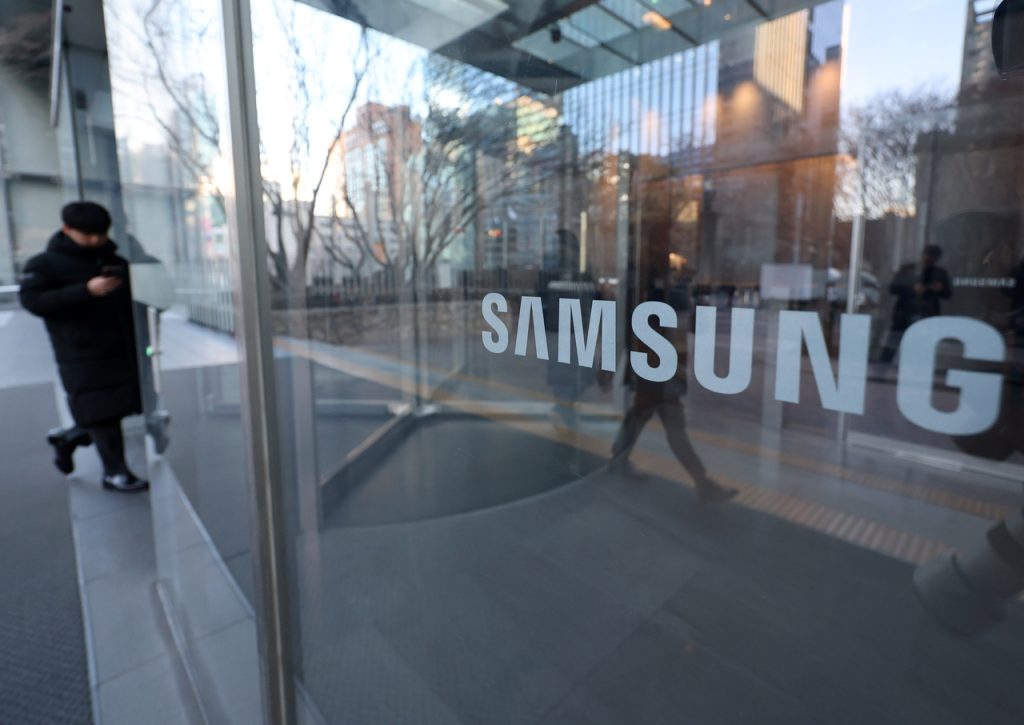
Samsung Group affiliates are facing potential severance pay lawsuits following a recent Supreme Court ruling that mandates Samsung Electronics’ target-based bonus be considered as wages when calculating retirement compensation.
According to legal sources on Thursday, labor unions and former employees from Samsung Electronics Service, Samsung Fire, and Samsung SDS are consulting with the law firm A Pro regarding possible claims for additional severance pay.
The pivotal legal decision, delivered on January 29th, determined that Samsung Electronics’ Target Achievement Incentive (TAI) meets the criteria for “average wages.” Korean law dictates that severance pay is calculated by multiplying the average wage earned during the three months preceding departure by the number of years of service.
The Supreme Court reasoned that the TAI qualifies as wages because its payment formula is defined within employment regulations and is consistently paid. However, the court differentiated Samsung’s economic value-added-based performance bonus, concluding that it does not meet the legal requirements to be included in severance calculations.
Litigation is already underway at Samsung Electronics. Twenty former employees initiated legal action at the Seoul Central District Court on February 4th, followed by another group of approximately 40 on February 13th, seeking a recalculation of their severance pay to incorporate TAI payments.
The National Samsung Electronics Union is also exploring the possibility of launching a collective lawsuit on behalf of former employees who are still within the three-year statute of limitations for wage claims.
A Pro, the law firm that represented the retirees in the Supreme Court case, has stated that it continues to advise additional former Samsung employees and has received inquiries from workers at other companies with similar incentive programs.
Samsung Electronics has begun implementing the court’s decision for new retirees. Industry sources indicate that the company is including TAI in severance pay calculations for employees leaving on or after January 29th, although the expected financial implications have not been disclosed. Legal experts estimate that for a long-term employee with consistently high TAI payouts, severance pay could increase by approximately 13 million won ($9,000).
A separate Supreme Court ruling suggests that the impact will vary among companies based on the structure of their bonus schemes.
On February 12th, the court dismissed a claim by two SK hynix retirees, ruling that the chipmaker’s productivity and profit-sharing bonuses do not meet the requirements to be considered wages. The court determined that SK hynix is not legally obligated under its employment rules or collective agreements to pay these bonuses annually. Furthermore, payout levels are determined through annual negotiations and can be adjusted or withheld depending on the company’s financial performance.
mjh