K-pop and EDM share fast-tempo dance structures and viral-friendly hooks, critics say
An increasing number of K-pop acts are leaning into electronic music, signaling what could emerge as one of the genre’s defining sonic currents this year. Explore the rising trend of **K-pop EDM** fusions!
From rookie groups such as KiiiKiii to established acts including Ive and Blackpink, artists are selecting house or electronic dance tracks as their lead singles. Even BTS is reported to have collaborated with American DJ and producer Diplo on its upcoming album “Arirang,” due March 20, further fueling expectations around an EDM-driven direction. Discover how **K-pop groups** are incorporating **electronic music** elements.
Industry insiders say, however, that the growing overlap between K-pop and electronic music does not represent a sudden shift or entirely new experiment. Rather, they see it as a convergence rooted in shared musical DNA and mutual marketing advantages. Uncover the reasons behind the **K-pop and EDM collaboration**.
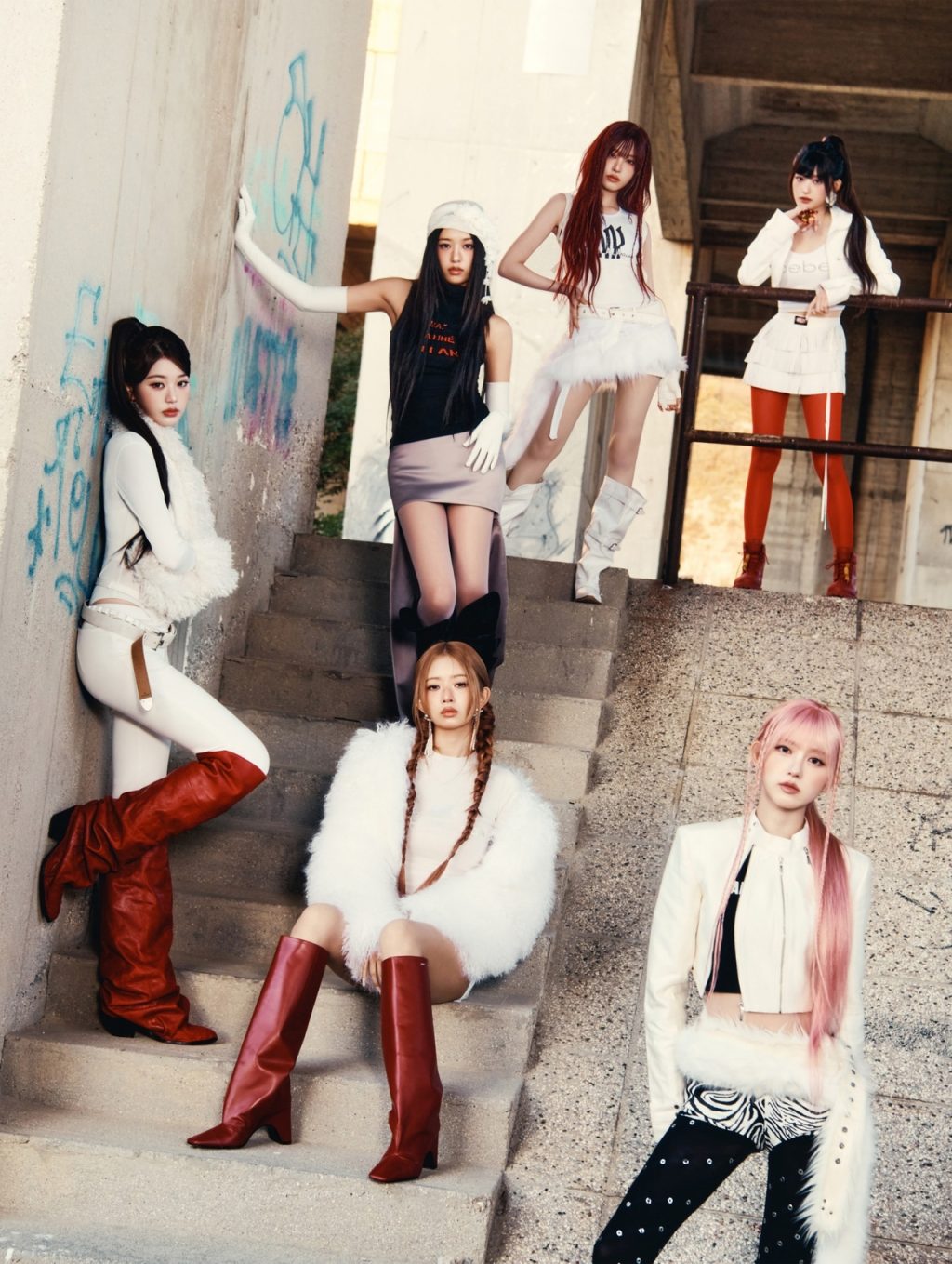
Ive offered a recent example on Monday with the release of its prerelease track “Bang Bang,” ahead of its second full-length album set for late February. Built on an EDM and electronic foundation, the song combines a forceful progression with a swing-inspired intro and a straight, driving beat — a sharp contrast to the dream pop and hip-hop-based dance sound of “XOXZ,” the main track from the group’s fourth EP “Ive Secret” released last August. Experience **Ive’s new EDM sound** in “Bang Bang”.

Another case is KiiiKiii, which is also under Starship Entertainment. The group returned in January with “404 (New Era),” a main track grounded in UK house and garage, marked by a heavy bassline and contemporary club-oriented sound. While its debut song “I Do Me” also drew from electronic pop, it leaned more toward melodic pop dance rather than club-focused EDM. Dive into **KiiiKiii’s UK house influenced track** “404 (New Era)”.
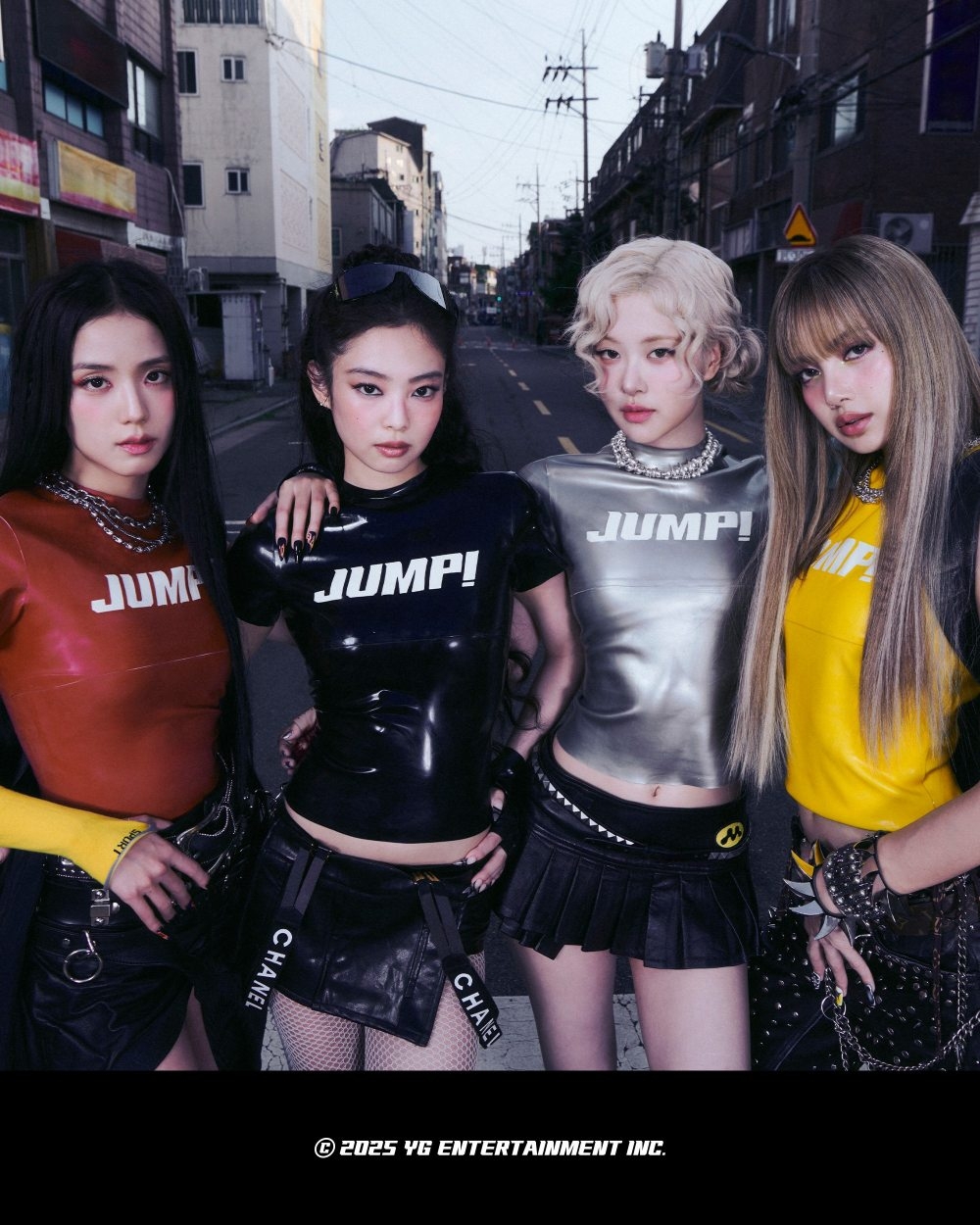
One of the most high-profile electronic releases in recent months came from Blackpink. The group’s August single “Jump,” produced by Diplo alongside prominent K-pop producer Teddy, moved away from the hip-hop and trap foundations that have long defined Blackpink’s sound. Instead, it foregrounded hardstyle and techno — genres still relatively uncommon at the center of mainstream K-pop. Listen to **Blackpink’s “Jump,” an EDM experiment** with Diplo and Teddy.
Music critic Lim Hee-yun said the compatibility between K-pop and electronic music has long made such collaborations intuitive.
“K-pop and electronic music both revolve around dance and EDM-based structures, which makes them musically easy to align,” Lim said. “Electronic music is particularly optimized for short-form platforms, which is why K-pop artists have continued to gravitate toward it.” Find out why **K-pop and EDM are a perfect match**, according to critics.
He added that the synergy becomes even more pronounced when electronic tracks are paired with K-pop’s signature hooks and challenge-driven choreography. Understand the **synergy between K-pop hooks, choreography, and EDM**.
“Electronic music works extremely well in short-form content, and when you combine that with K-pop’s addictive choruses and performance challenges, the impact is significant,” Lim said. “It’s also explosive in large-scale concerts. For groups like BTS or Blackpink, whose tours fill stadiums, you need songs that allow tens of thousands of people to jump and move together.” Learn how **EDM enhances K-pop concert experiences**.
Still, the music critic cautioned against framing the trend as something entirely new.
“There are periods when many groups return with similar genres all at once,” he said. “Electronic music has been part of K-pop since well before the 2010s. Acts like Big Bang and 2NE1 were already incorporating club-oriented sounds years ago. For example, Big Bang’s ‘Fantastic Baby’ was heavily club-driven.” Discover the **history of EDM influence in K-pop** and iconic tracks like Big Bang’s “Fantastic Baby”.
jaaykim