
Single Input Error Created 620,000 ‘Ghost Bitcoins,’ Exposing Structural Flaws in Exchange Ledger Systems
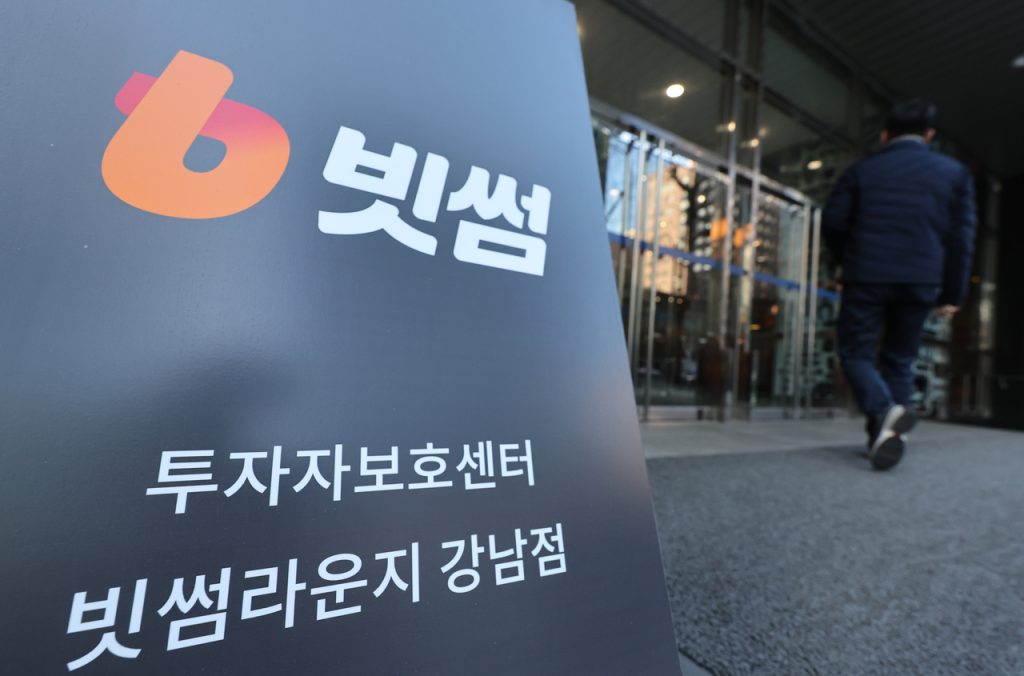
A bitcoin misallocation at South Korea’s major cryptocurrency exchange Bithumb has exposed structural vulnerabilities in centralized crypto trading. This incident revealed how internal ledger entries can become market-moving events within minutes, highlighting risks associated with centralized systems.
The incident stemmed from a routine event payout. Instead of an intended reward of 2,000 won per user, an employee mistakenly entered 2,000 bitcoin. The result was roughly 620,000 BTC credited to 249 customer accounts, according to the exchange.
Some users immediately sold the unexpected assets. Approximately 1,788 bitcoins were sold within a brief period, driving prices down by as much as 17 percent before Bithumb intervened. The exchange halted affected transactions, corrected the ledger error, and subsequently stabilized prices.
Bithumb reported recovering 99.7 percent of the misallocated bitcoin on the same day. However, about 125 coins remain unretrieved. The exchange is pursuing recovery while absorbing potential losses related to both the missing assets and customer compensation.
How ‘Ghost Coins’ Appeared: The Bitcoin Exchange Ledger Error
The core issue lies in the fact that Bithumb did not physically possess the 620,000 bitcoins credited to customer accounts. This highlighted the discrepancy between internal ledger entries and actual cryptocurrency holdings.
Based on recent disclosures, Bithumb’s total bitcoin reserves are estimated at around 43,000 coins. Only 175 of those bitcoins are owned by Bithumb itself, excluding customer deposits. In essence, the exchange temporarily credited balances exceeding 3,500 times the amount of bitcoin they actually held.
This situation was possible due to the ledger-based, or off-chain, trading systems used by centralized exchanges like Bithumb. In this model, user balances are adjusted within an internal database. Actual asset movements on the blockchain only occur when customers withdraw funds and settlements are finalized. This approach offers trading speed but introduces vulnerabilities.
Consequently, the mistaken entry of 620,000 BTC instead of 620,000 won directly impacted customer account balances, even though the coins were not available. A mass withdrawal attempt could have rapidly escalated the situation and potentially caused a larger collapse.
Bithumb’s total equity as of the end of September was approximately 930 billion won. This is significantly less than the roughly 60 trillion won in “ghost” bitcoins that temporarily appeared, raising concerns that the incident could have triggered a bank run-like crisis of confidence.
What Went Wrong at Bithumb: A Crypto Exchange Security Analysis
Ledger-based systems are standard practice in finance. Banks, securities firms, and crypto exchanges use book-entry mechanisms for efficient transaction processing. The Bithumb incident highlights the risks when trading, brokerage, and custody are consolidated within a single platform, and when controls are inadequate.
Traditional financial markets separate these functions among exchanges, securities firms, and central securities depositories. This separation creates multiple layers of reconciliation and oversight. Banks also utilize real-time monitoring, approval thresholds for large transfers, and safeguards to prevent transactions exceeding actual holdings in their book-entry systems.
However, crypto exchanges often lack comparable checks and balances. In Bithumb’s case, the lack of system-level controls allowed a single data entry error to bypass internal review and impact live trading. This briefly disrupted the market and exposed the limitations of current safeguards.
Cryptocurrency Exchange Security: Are Other Exchanges Any Safer?
Other local cryptocurrency exchanges claim to have implemented controls to prevent similar incidents.
Upbit, South Korea’s largest crypto exchange, stated that it has operated dual safeguards since 2017. These safeguards prevent the distribution of cryptocurrencies that the platform does not physically hold. The exchange stated that it consistently reconciles internal ledger balances with assets in blockchain wallets via a proprietary proof-of-reserves system. Event rewards are paid by pre-securing assets in a separate distribution account and are subject to multi-layer internal approvals.
Coinone reported that all processes involving user asset movement, including event payouts, are subject to verification and approval procedures aimed at preventing errors. Korbit uses a double-entry accounting structure, similar to traditional finance, where transactions are only recorded when debits and credits are matched.
Meanwhile, regulators have launched an industry-wide review. The Financial Services Commission (FSC) has ordered inspections of internal control frameworks across cryptocurrency exchanges, starting with the Bithumb incident.
This case is also expected to influence upcoming digital asset legislation. The legislation is likely to include stricter internal control requirements for exchanges, regular external audits of asset holdings, and tighter licensing standards for operators.
Bithumb has stated that a full recovery of the remaining 125 unretrieved bitcoins cannot be guaranteed at this time. Reports suggest that roughly 3 billion won has been transferred to personal accounts, while approximately 10 billion won was used to purchase other assets.
The exchange declined to provide details on the whereabouts of the remaining funds but said it is continuing to persuade recipients to return the assets. Industry officials have indicated that recipients who refuse to return the mistakenly transferred bitcoins could face legal action to recover unjust gains.
Bithumb has also pledged compensation for affected users. Customers who sold at depressed prices will be reimbursed for the full price difference, plus an additional 10 percent compensation. All customers logged into the Bithumb app or website during the incident will receive 20,000 won.
jwc


