
Introduction A common question travelers ask is, “Is Korea cashless?” The answer is a complicated “mostly yes, but critically no.” While you can use credit cards for 90% of your purchases, being without cash at the wrong moment can leave you hungry or stuck. Here is the reality of money in Korea.
1. The Currency: South Korean Won (KRW / ₩)
- Rough conversion: 1,000 KRW is approximately $0.75 USD or €0.70 EUR (rates vary).
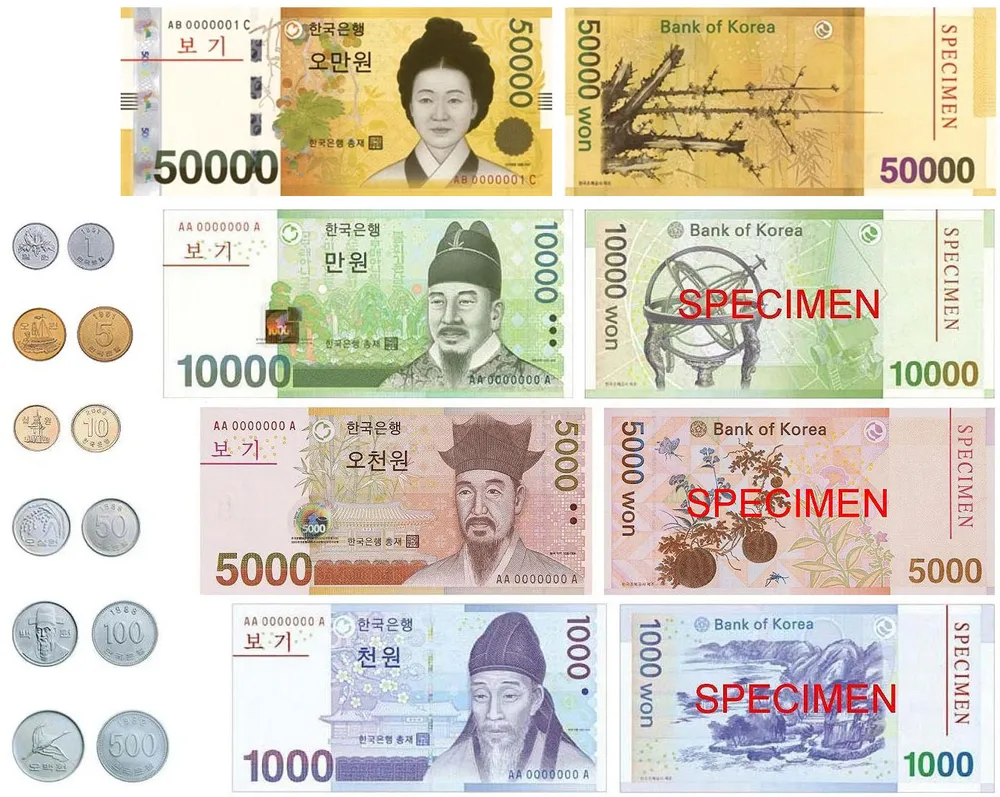
- Banknotes come in 1,000, 5,000, 10,000, and 50,000 won denominations.
2. Card is King (Almost)
- International credit/debit cards (Visa, Mastercard) are accepted almost everywhere: convenience stores, hotels, taxis, cafes, and most restaurants.
- Important: Inform your bank you are traveling to avoid having your card blocked for suspicious activity.
3. When You MUST Have Cash Don’t rely solely on cards. You need cash for:
- Street Food: Those delicious Tteokbokki stalls usually only take cash or local bank transfer.
- T-Money Reloading: You cannot reload your transport card with a foreign credit card at machines. It must be cash.
- Traditional Markets: Some older vendors prefer cash.
- Rule of Thumb: Keep about 50,000 KRW (~$40) in your wallet just in case.
4. Getting Cash: ATMs and Exchange
- ATMs: Look for ATMs marked “Global ATM” or displaying Visa/Mastercard logos. Most are found in subway stations and convenience stores.
- Currency Exchange: Myeongdong offers better rates than airports or banks.
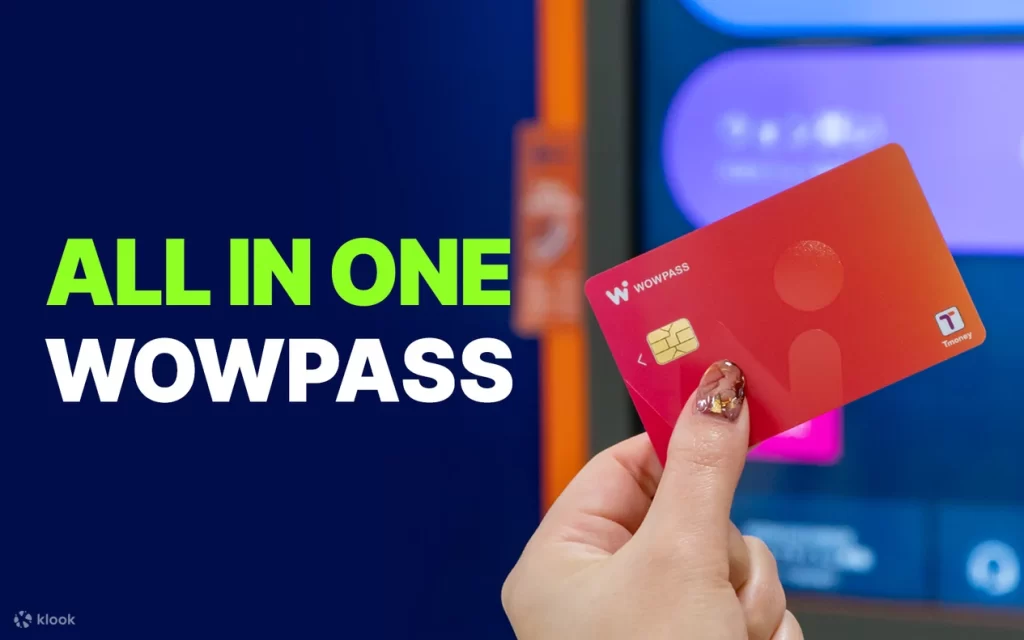
5. The Tourist Solution: WOWPASS / NAMANE Card This is a game-changer for tourists.
- These are prepaid debit cards designed for visitors.
- You can load them with your foreign currency cash at kiosks in subways/hotels.
- They function as both a payment card (like a debit card) and a T-Money transport card. Highly recommended for convenience.
Conclusion Bring your credit card for big spending, but never be caught without some Won in your pocket for the best local experiences!