South Korean Film Industry Seeks Recovery and Stability with New Distribution System Reforms
By Shim Sun-ah
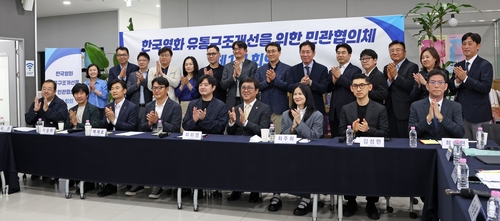
The South Korean film industry is taking proactive steps towards a robust recovery and sustainable growth, as the Ministry of Culture, Sports and Tourism and the Korean Film Council (KOFIC) convened a pivotal meeting on improving the domestic film distribution system. This crucial inaugural gathering brought together 22 key representatives from across the industry, including Culture Minister Chae Hwi-young, alongside leaders from film studios, distributors, cinema chains, and IPTV platforms. The initiative follows promising signs of recovery in the Korean film market, buoyed by the post-COVID-19 resurgence and the phenomenal success of the Korean film sensation “The King’s Warden,” which captivated 16.88 million viewers and secured the second-highest spot at the all-time box office.
During the meeting at the KOFIC office in Seoul, Minister Chae Hwi-young expressed optimism for the future of the domestic film industry. “With the film industry people working together with the government, the industry has begun to show signs of life again,” Minister Chae stated. “We will pool our efforts to ensure that the industry, having undergone what can be described as CPR, can recover a normal and healthy ecosystem.”
Addressing Holdback Rules Amid Evolving Viewing Habits
A central focus of the discussions revolves around establishing definitive “holdback” rules, a critical measure for the South Korean film industry. A proposed bill currently awaiting deliberation in the National Assembly seeks to implement a six-month holdback period between theatrical and secondary releases. This legislation is designed to revitalize a local film industry that has contended with declining theatrical attendance and evolving consumer viewing habits, particularly with the rise of streaming platforms.
However, the proposed holdback period has sparked debate and criticism from various stakeholders, including film studios, investors, and distributors. Concerns have been raised that delaying secondary releases could exacerbate financial hardships by hindering investment recovery and stifling future funding, especially as the demand for streaming content continues its rapid growth.
Fostering Industry Stability and Collaborative Growth
Beyond release windows, the consultative body is committed to exploring comprehensive measures to stabilize the industry’s revenue structure and foster greater collaboration between traditional cinemas and emerging streaming platforms. According to the ministry, these discussions are vital for creating a balanced and sustainable ecosystem for South Korean cinema.
Officials anticipate that the group will work diligently in the coming months to reconcile differing viewpoints and forge a voluntary agreement on holdback rules. The goal is to sign this pivotal agreement by August, ensuring it supports the film industry’s shared growth. Minister Chae Hwi-young emphasized this commitment, stating, “We will work to reach a holdback agreement that could minimize potential side effects by reflecting market realities while maximizing industry revenues.” This collaborative approach underscores a shared vision for a thriving and resilient South Korean film market.