
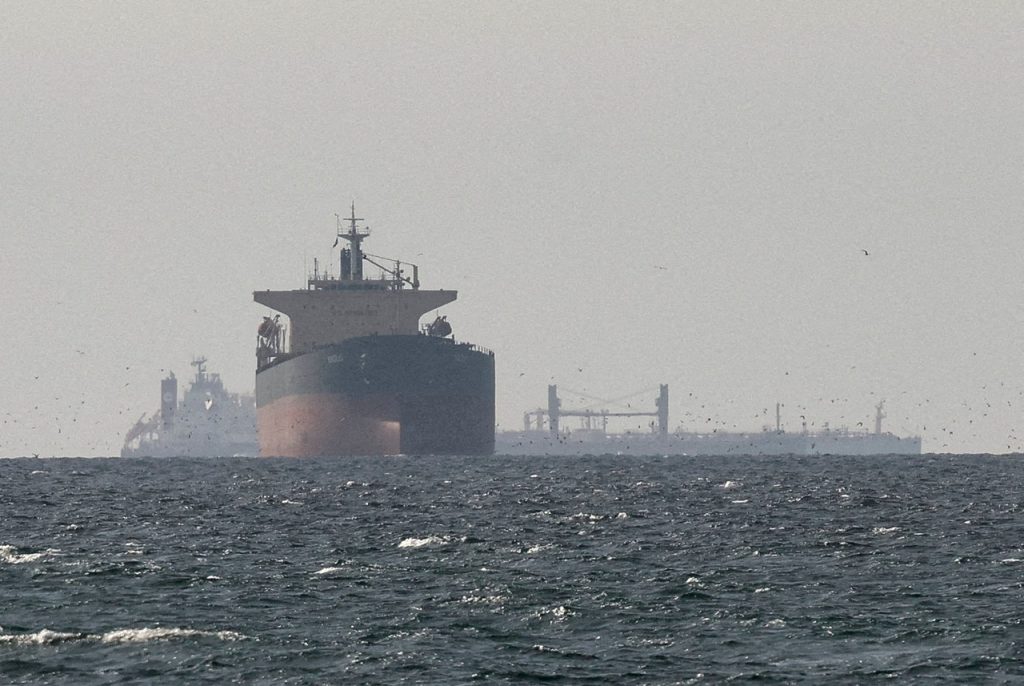
South Korea confirms no official fee requests from Iran regarding passage through the critical Strait of Hormuz. A Seoul official stated Thursday that the government is actively monitoring the volatile situation surrounding this vital global shipping route, especially amidst a delicate two-week ceasefire between the United States and Iran.
Deputy Minister for Trade, Industry, and Resource Security, Yang Ghi-wuk, addressed media speculation during a regular press briefing on energy supply. He explicitly confirmed, “There has been no request from Iran for transit fees or payments,” refuting reports that Iran is demanding fees in cryptocurrency or Chinese yuan for vessels navigating the strategic Strait.
Yang explained that assessing the likelihood of Iran actually imposing such transit fees and predicting the international community’s response remains premature. He highlighted potential economic repercussions, noting that should these fees materialize, domestic fuel prices in South Korea could see an increase of up to one percent.
Regarding the crucial status of the Hormuz Strait and conditions for ensuring safe passage, the Deputy Minister reported that the foreign ministry is actively seeking communication with Iran on this critical matter. However, he has not yet been briefed on any significant diplomatic progress.
In a proactive move to bolster energy security, the South Korean government continues its vigorous efforts to secure alternative crude supplies. Yang confirmed that 50 million barrels have been secured for April and 60 million barrels for May, with further supplies for subsequent months also being actively secured.
These secured volumes for April and May represent substantial portions of South Korea’s usual crude oil import levels, accounting for approximately 60 percent and 70 percent, respectively, of the standard monthly import of 80 million barrels, as previously announced by the trade ministry.


