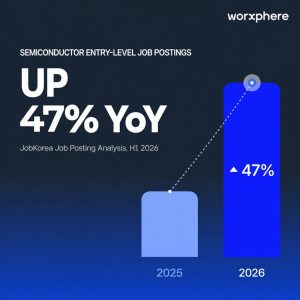
South Korea’s economy is projected to expand by 1.9 percent this year, according to a recent assessment from an Asia-based economic surveillance organization. This growth is primarily attributed to robust semiconductor demand and strategic government stimulus spending.
The ASEAN+3 Macroeconomic Research Office (AMRO)’s latest economic forecast remains consistent with its previous evaluation in December, as reported by the Ministry of Finance and Economy.
Looking ahead to 2026, AMRO anticipates a significant rebound for South Korea’s real gross domestic product (GDP), recovering from a projected 1 percent growth in 2025. This resurgence is expected to be fueled by sustained strong semiconductor demand and the government’s timely implementation of supplementary budget measures, the ministry highlighted.
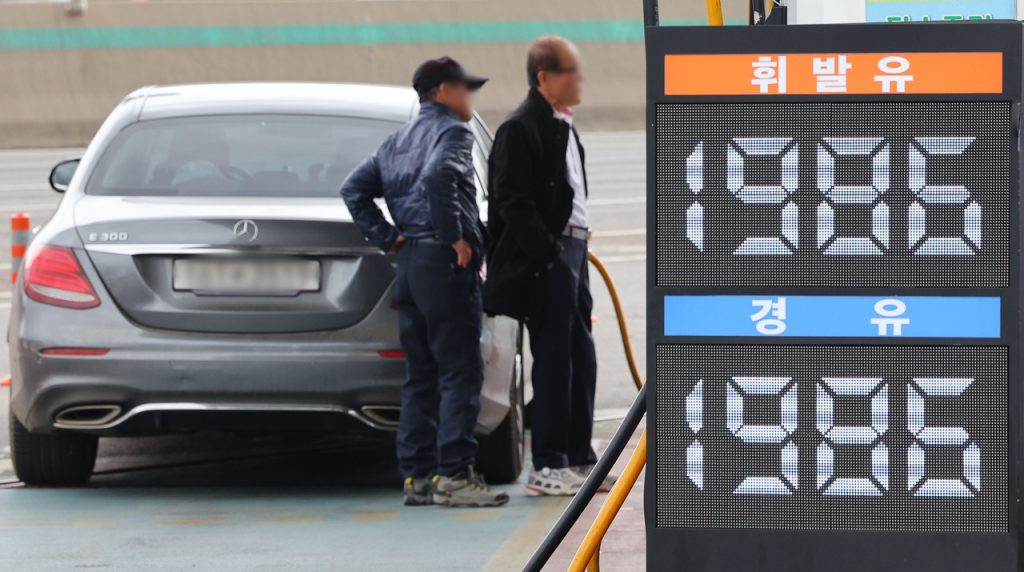
However, the organization has revised its inflation forecast upward for the current year, increasing it to 2.3 percent from an earlier 1.9 percent. This adjustment reflects recent surges in global energy prices.
Global oil prices have seen a sharp rise, largely due to the effective closure of the Strait of Hormuz following US-Israeli strikes on Iran in late February, which has disrupted worldwide oil supplies. South Korea is particularly vulnerable to these fluctuations, importing nearly 98 percent of its crude oil, predominantly from the Middle East.
AMRO has issued a caution regarding mounting challenges within the external sector, pointing to elevated uncertainty and downside risks that could impact South Korea’s economic trajectory, according to the ministry.
While growing investment demand, propelled by advancements in artificial intelligence (AI), could provide substantial support for economic growth, potential headwinds include a slowdown in AI development. Furthermore, the possible resumption of US tariff measures poses an additional risk that may weigh heavily on the nation’s economic outlook.
The organization also identified persistent rising global energy prices and prolonged disruptions in regional energy supply chains as critical additional risks, threatening both economic growth and contributing to inflationary pressures.
In light of these dynamics, AMRO underscored the crucial need for flexible and responsive policy actions amidst the heightened global uncertainty.
It recommended that Seoul authorities adopt a data-driven, adaptive approach, emphasizing coordinated fiscal and monetary policies. Such an integrated strategy is deemed essential for effectively responding to potential economic shocks and sustaining South Korea’s growth momentum.