By Shim Sun-ah
The Korean National Committee of the International Council on Monuments and Sites (ICOMOS), a UNESCO advisory body, has issued a statement emphasizing that the planned redevelopment in central Seoul “must not go ahead without a Heritage Impact Assessment.” The statement was shared on their website Wednesday.
“Jongmyo is a World Heritage site representing the Republic of Korea, and its protection is not only a domestic task but also a pledge to the international community,” the statement said, referring to South Korea by its official name.
Jongmyo Shrine is a significant historical site where the ancestral tablets of Joseon Dynasty (1392-1910) kings and queens are enshrined.
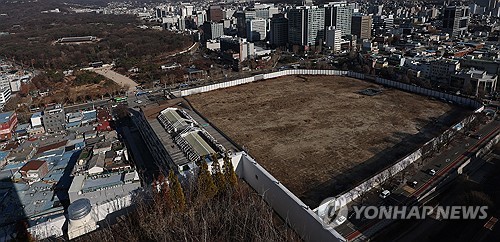
The City of Seoul intends to transform Sewoon District 4, located directly across from the UNESCO-listed shrine, into a high-density business and residential area featuring a large green park. This area currently includes the aging Sewoon Arcade, Korea’s oldest electronics market.
While city officials maintain that the redevelopment will revitalize the district with new green spaces, heritage advocates argue the project could negatively impact the historical landscape surrounding the shrine.
ICOMOS Korea previously called on the city government in November to halt the project and agree to a joint review of the potential impact on the shrine, conducted in collaboration with the Korea Heritage Service (KHS) and expert groups.
Current regulations mandate heritage impact assessments for development projects within 100 meters of a state-designated cultural heritage site in Seoul.
However, Seoul city authorities have effectively rejected this proposal, asserting that Sewoon District 4 is situated approximately 180 meters from the shrine’s boundary.
Tensions have risen in recent months as both sides remain deadlocked on the necessity of an impact assessment and other points of dispute.
Earlier this month, the KHS filed a police complaint against the project developer, Seoul Housing and Urban Development Corp., alleging violations of the Buried Cultural Heritage Protection Act. The agency claims the company initiated unauthorized drilling work in areas of the redevelopment zone where archaeological surveys were incomplete.
This complaint followed a lawsuit filed three months prior by a group of local residents against the state and the heritage agency, seeking 16 billion won (US$10.68 million) in compensation for losses incurred due to delays in the redevelopment project.