
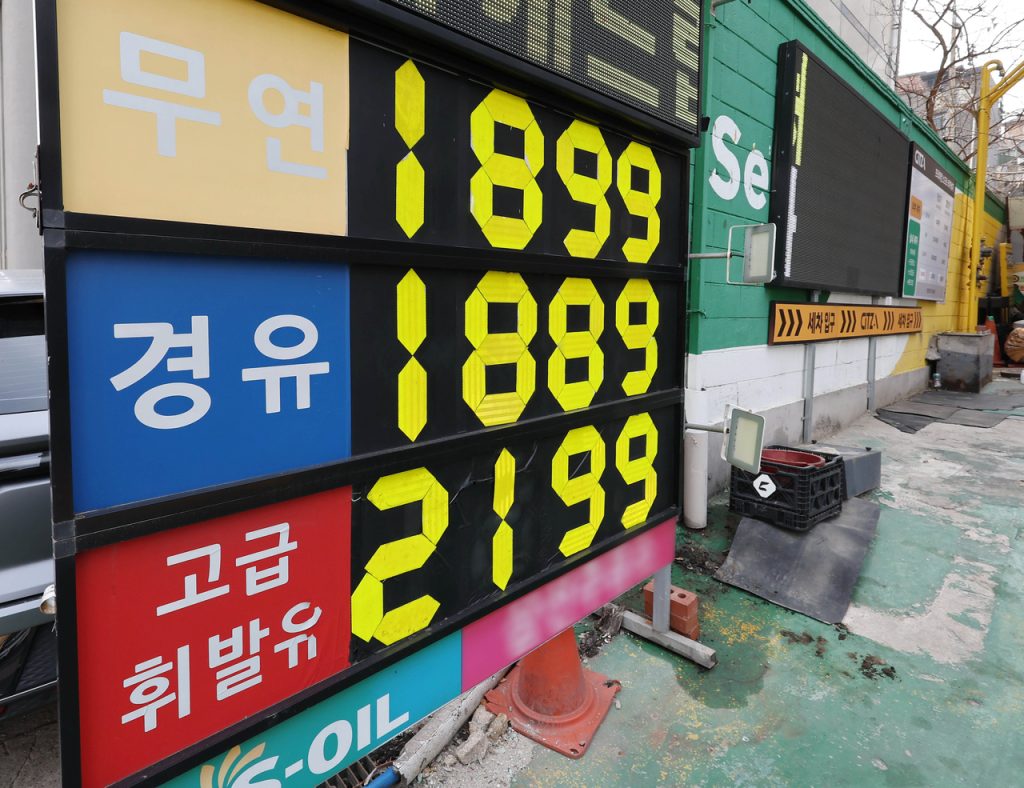
South Korea’s producer price index (PPI) experienced its sixth consecutive monthly increase in February, according to data released by the central bank on Tuesday. The rise was primarily fueled by escalating agricultural costs and the surge in global oil prices.
The producer price index, a crucial indicator of future consumer inflation, rose by 0.6 percent from January to reach 122.56 in February, based on preliminary data from the Bank of Korea (BOK).
The index has demonstrated a consistent upward trend since September.
Year-on-year, producer prices saw a 2.4 percent increase in February, marking the most significant growth since July 2024.
Producer prices are a leading indicator of future inflation, influencing the prices businesses will charge consumers in the coming months.
The prices of agricultural, livestock, and fisheries products saw a substantial increase of 2.4 percent month-on-month, while industrial goods prices rose by 0.5 percent.
Service prices also contributed to the rise, increasing by 0.6 percent, primarily driven by a 5.2 percent surge in prices for financial and insurance services.
The domestic supply price index, which encompasses both producer and import prices, experienced a 0.5 percent month-on-month increase in February.
“Dubai crude oil prices surged by 10.4 percent in February compared to the previous month, largely due to ongoing tensions between the United States and Iran. This led to a corresponding increase in petroleum product prices,” stated BOK official Lee Moon-hee at a press briefing. “The rise in financial and insurance service prices was mainly attributable to higher stock brokerage fees, which were spurred by gains in stock prices.”


