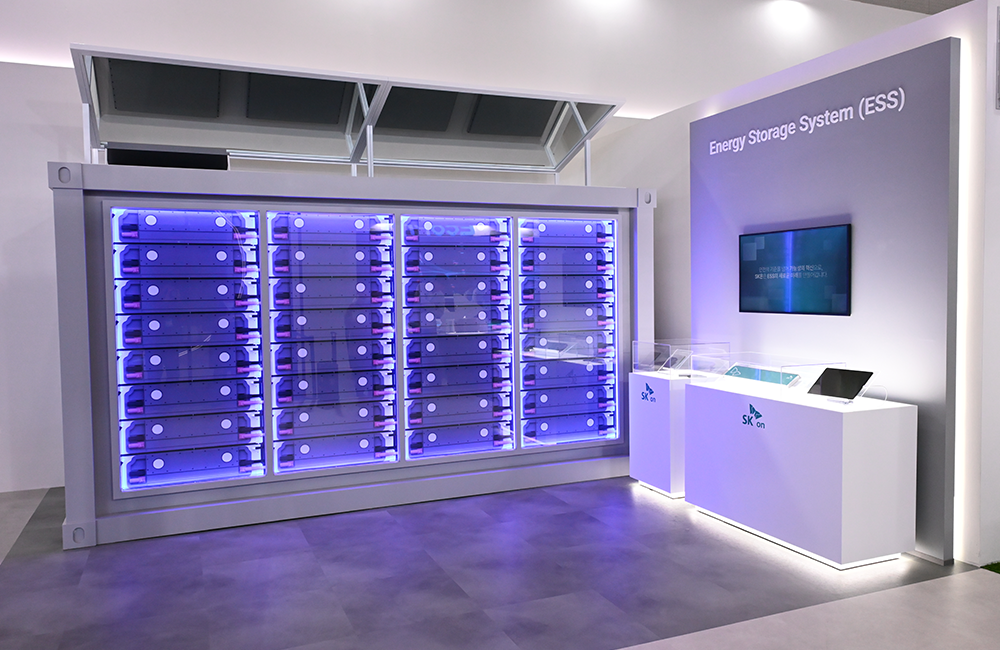
SK On is actively pursuing expansion in the North American energy storage market, currently in negotiations with several clients to supply over 10 gigawatt-hours (GWh) of energy storage system (ESS) batteries. This move signifies a strategic shift towards capitalizing on the growing demand for energy storage solutions.
According to industry sources, the South Korean battery manufacturer is in discussions with major US-based data center operators and energy companies. The potential supply volume is substantial, enough to power approximately 1 million households for an entire day.
To reinforce these efforts, SK On has recently hosted potential clients at its manufacturing facility in Georgia, offering exclusive meetings and tours of its advanced production lines. This initiative aims to solidify new contracts and demonstrate the company’s capabilities.
This strategic push comes amid a surge in ESS demand within the United States, fueled by the rapid growth of AI data centers and a corresponding shift in the electric vehicle (EV) market. In response to these market dynamics, SK On is actively adjusting its production mix to prioritize energy storage applications.
The company intends to dedicate approximately 20 GWh of production capacity to ESS by repurposing existing electric vehicle battery lines in its US plants. SK On currently operates or is establishing three facilities in the US, including standalone plants and joint ventures, boasting a combined capacity of around 102 GWh.
Industry analysts highlight that SK On’s US expansion builds upon its established success in the domestic market. The company recently secured a significant portion of Korea’s second ESS bidding round, winning a 284-megawatt project to supply batteries to state-run substations located in South Jeolla Province and Jeju Island. This achievement positioned SK On ahead of competitors like LG Energy Solution and Samsung SDI.
SK On emphasizes the superior safety and diagnostic features of its ESS solutions. Its batteries incorporate Electrochemical Impedance Spectroscopy (EIS), enabling precise analysis of internal resistance. This technology facilitates the early detection of potential defects and degradation, contributing to enhanced safety and reliability.
This sophisticated system enables operators to selectively replace only the affected modules within an ESS container, rather than replacing the entire unit. This targeted approach improves maintenance efficiency and significantly reduces the total cost of ownership for customers.
hyejin2