
South Korea faces an “emergency situation” regarding its crude oil supply, a high-ranking official stated Friday. The government is considering potential measures, including adjusting oil supplies from refineries and implementing export restrictions on related petroleum products.
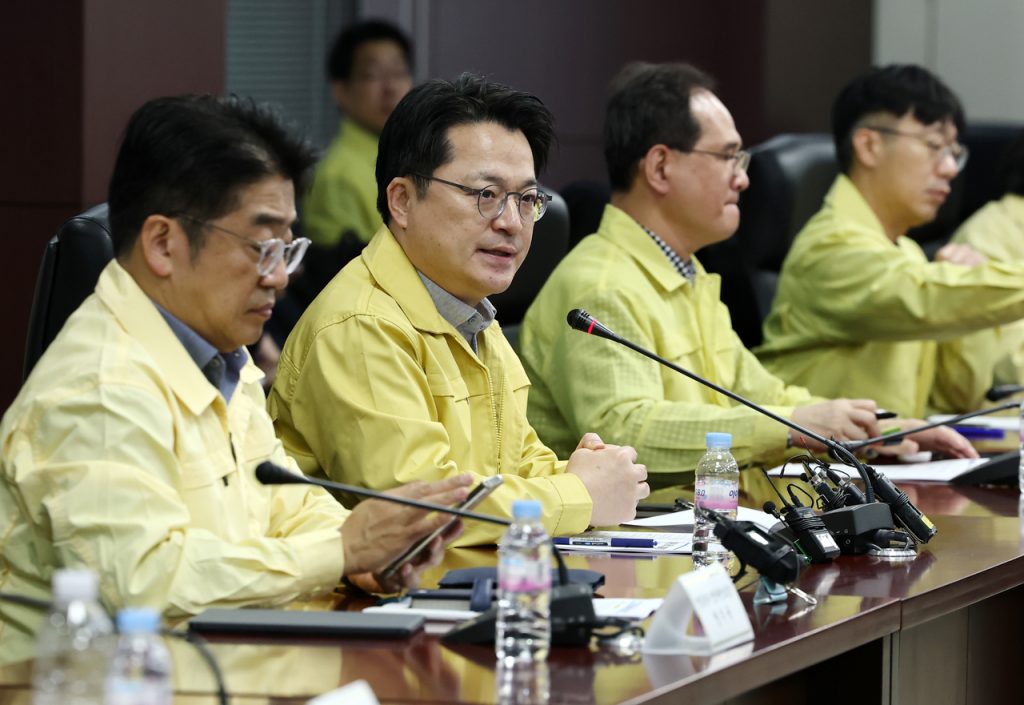
Vice Industry Minister Moon Shin-hak addressed the growing concerns over potential oil supply disruptions, beginning as early as next month, due to the continued closure of the Strait of Hormuz, a critical global oil export route, in an interview with CBS radio.
“We need to evaluate various response options for this emergency scenario,” Moon stated when asked about the government’s approach to oil supply management.
Addressing the nation’s oil reserves, Moon clarified that while reports indicate Korea has sufficient reserves for 208 days, this projection assumes a standard business operation that fully supports current economic activity. In reality, the reserves wouldn’t last that long under current conditions.
South Korea reportedly maintains a total of 190 million barrels in oil reserves.
Minister Moon explained that, should the situation worsen, the government is prepared to issue orders to oil refineries to modify their oil supply and enact export limitations. He noted that typically, half of the country’s oil imports are distributed within the domestic market, while the remaining half is processed and exported.
“Our primary goal is to ensure minimal disruption to the essential economic activities of the population. Secondly, we aim to prevent interruptions in the production activities of the industrial sector.”
Earlier this week, Seoul increased the alert level regarding potential crude oil supply disruptions to Level 2, a notch up in its four-tier national resource security crisis warning system.


