Your Guide to Seven Years of BTS on the Big Screen
Seoul is buzzing with anticipation like never before.
As BTS prepares to grace the stage at Gwanghwamun Square this Saturday, with the majestic Gyeongbokgung Palace as their backdrop, an estimated 260,000 fans are expected to fill the streets usually reserved for morning commuters. The city has already been painted purple for an entire week in celebration.
Hotels in the heart of Seoul are experiencing a surge in bookings, with room rates soaring to five times their normal price. Subway trains will bypass stations closest to the venue, and government officials have placed surrounding districts on high alert. The stakes are high: this marks BTS’ first full-member performance in nearly four years, coinciding with the release of their new album “Arirang” and the commencement of a world tour encompassing 82 shows across 34 cities.
For those new to the phenomenon, BTS has thoughtfully documented their incredible journey through four feature-length films released between 2018 and the present day. Each film captures a distinct chapter of their story, collectively forming a compelling chronicle of one of pop music’s most extraordinary success stories.
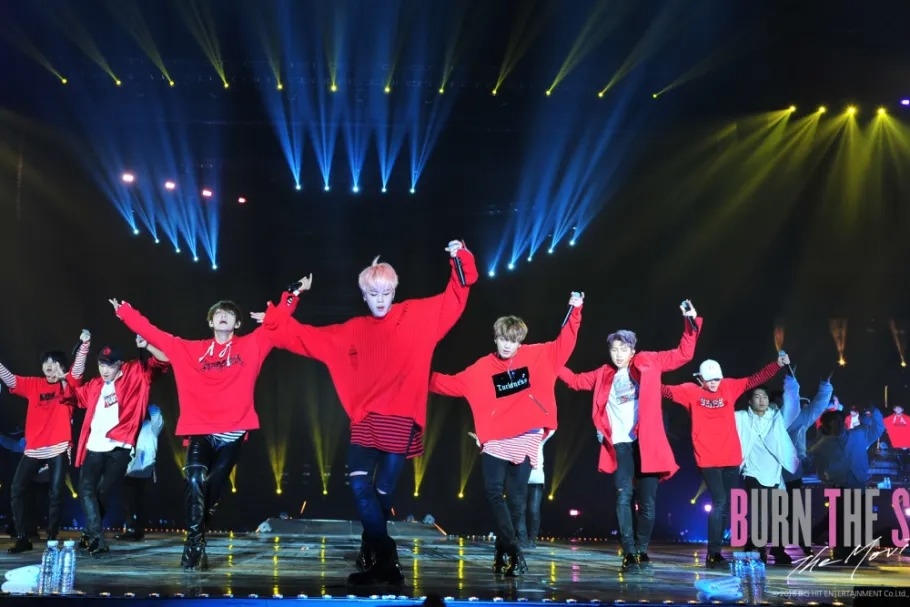
‘Burn the Stage: The Movie’ (2018)
“Burn the Stage” originated as an eight-part docuseries on YouTube Red (now YouTube Premium), offering a behind-the-scenes look at BTS’ 2017 “The Wings Tour,” which captivated over half a million fans across 19 countries. Director Park Jun-soo condensed the series into an 85-minute theatrical film, incorporating new footage and refining the presentation for a more cinematic experience, while maintaining a lighter tone compared to the original source material.
The film masterfully portrays a boy band on the verge of superstardom. This was before their Billboard Hot 100 achievements, Wembley Stadium performances, and UN speeches – a glimpse of aspiring global icons still visibly awestruck by the sheer size of the venues they were selling out.
The concert sequences are presented with a degree of distance, as the film is more interested in the behind-the-scenes realities of a global tour. The film focuses on the hard work and dedication required – ice packs for injured necks, band discussions about mistakes in hotel rooms, and long stretches of exhaustion, which are all pretty common experiences even when selling out arenas worldwide.
Meanwhile, lighter moments are just as impactful. A poolside barbecue scene on a day off, showcasing the members’ playful interactions, Suga enjoying a glass of wine, and everyone diving into the water, became a widely shared clip. This scene arguably contributed more to the group’s fanbase than any single performance.
Although the third-person narrator’s poetic voiceover can feel somewhat out of place at times, the film discovers a more authentic quality when RM and Suga take over towards the end. “Burn the Stage: The Movie” grossed $14 million in its opening week across 79 countries, breaking the event cinema box office record at the time.
‘Bring the Soul: The Movie’ (2019)
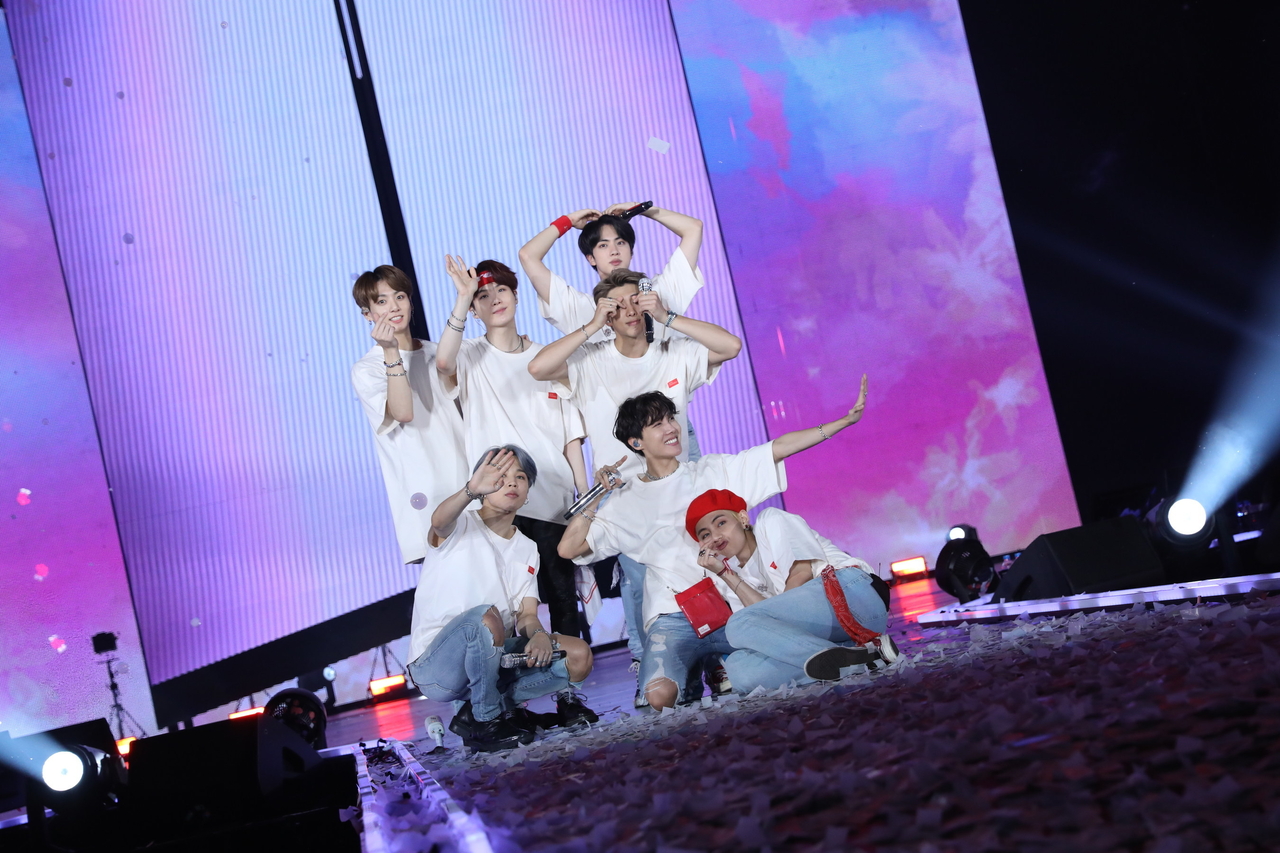
The second film, released a year later, is structured around a simple yet effective concept: the group sitting together on a Parisian rooftop the day after their “Love Yourself” European tour finale, reflecting on the past year. Director Park Jun-soo returns, weaving the conversation together with concert footage from their stops across North America, Europe, Japan, and Korea.
The result is more relaxed than its predecessor, and depending on your preference, either more intimate or less focused. There isn’t much drama or behind-the-scenes conflict, just seven friends at a table, eating, reminiscing, and playfully bickering.
The most impactful moments are the personal ones: Jungkook’s tears backstage after missing a note during the opening Seoul show, or V silently mouthing the lyrics throughout an entire Paris concert after losing his voice. These are minor setbacks in the grand scheme of things, but the way the group handles and processes them reveals their high expectations for themselves.
A late-film sequence at the Citi Field show, where the camera goes dark and close as backstage tension builds before a performance involving pyrotechnics, is genuinely atmospheric in a way the rest of the film struggles to match. It grossed $24.3 million worldwide, once again breaking the event cinema record.
‘Break the Silence: The Movie’ (2020)
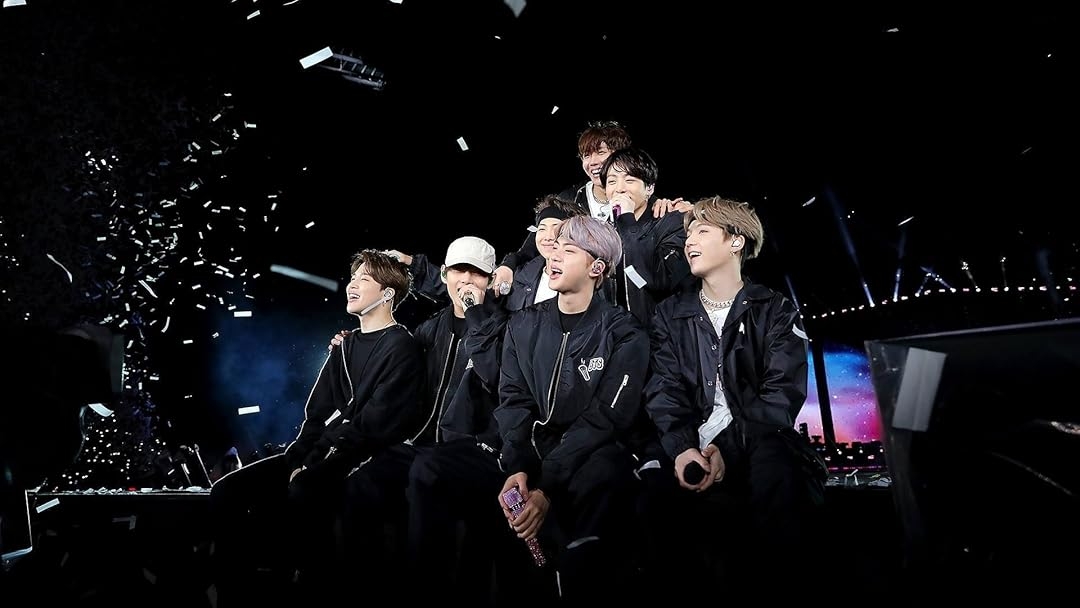
The third film, and perhaps the most ambitious, is an adaptation of a docuseries that aired on Weverse earlier that year. “Break the Silence” documents BTS’ “Love Yourself: Speak Yourself” stadium tour from 2018-19, the tour that solidified their status as the first Korean act to headline Wembley Stadium and confirmed their arrival as a genuine global sensation.
The film dedicates more time to each member individually than previous installments, creating a noticeably more reflective tone. Jin discusses learning to separate his private self from his public persona. Jungkook, in contrast, seems to be reaching the opposite conclusion, less interested in distinguishing between who he is offstage and who he becomes on it.
RM, while visiting a woodshop in the countryside, offers a defining observation: experiencing pain is not necessarily a prerequisite for creating good work.
The sheer scale of the stadium setting gives “Break the Silence” a different impact than the earlier films. There is more footage of enormous crowds, effectively conveying the magnitude of performing for 80,000 people at a time. It earned around $9 million at the global box office, impacted by COVID-19 pandemic restrictions on theatrical attendance worldwide.
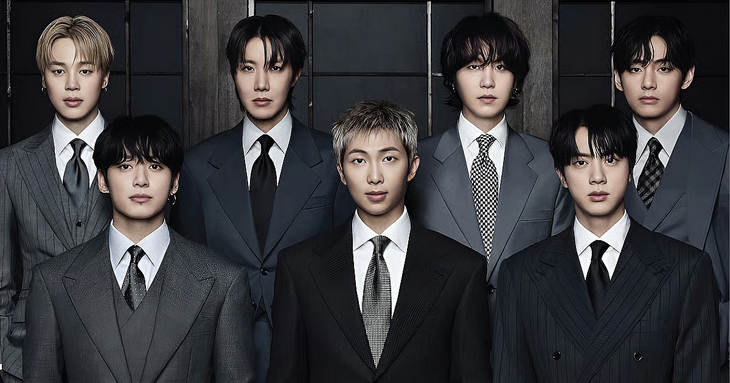
All of which brings us full circle. Directed by Bao Nguyen, whose previous Netflix documentary “The Greatest Night in Pop” earned a Grammy nomination and three Emmy nods, “BTS: The Return” premieres on March 27, six days after Saturday’s highly anticipated event. Unlike the others, this isn’t a tour film or a behind-the-scenes look at a specific set of shows; this one explores the creation of the “Arirang” album itself.
With their military service completed, all seven members flew to Los Angeles in mid-2025, shared a house for two months to concentrate on the album, and essentially started from scratch. RM has described it as feeling like trainees again, but with stadium tours and billions of streams in their past.

The trailer, released just this week, emphasizes the weight of their time apart. “Trends shift every season,” RM says in a voiceover, while footage of intense recording sessions plays. “Standing still isn’t an option.”
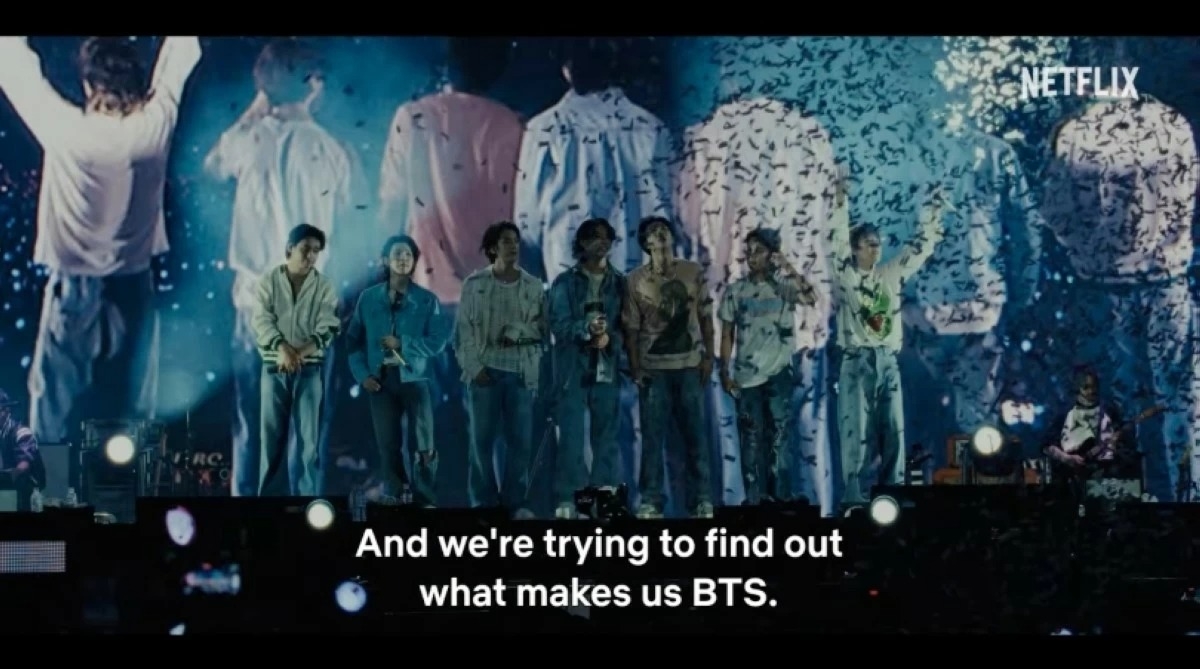
Whether “The Return” will resemble the candor of “Break the Silence” or the lighthearted energy of “Bring the Soul” remains to be seen. But with superstars attempting a comeback after years of the world moving on without them, the stakes are undoubtedly higher.
These are now seasoned veterans in their 30s, grappling with their identities in a changed world. This is a more complex question than any addressed in their earlier films, and Saturday’s concert will offer the first glimpse of an answer.
moonkihoon