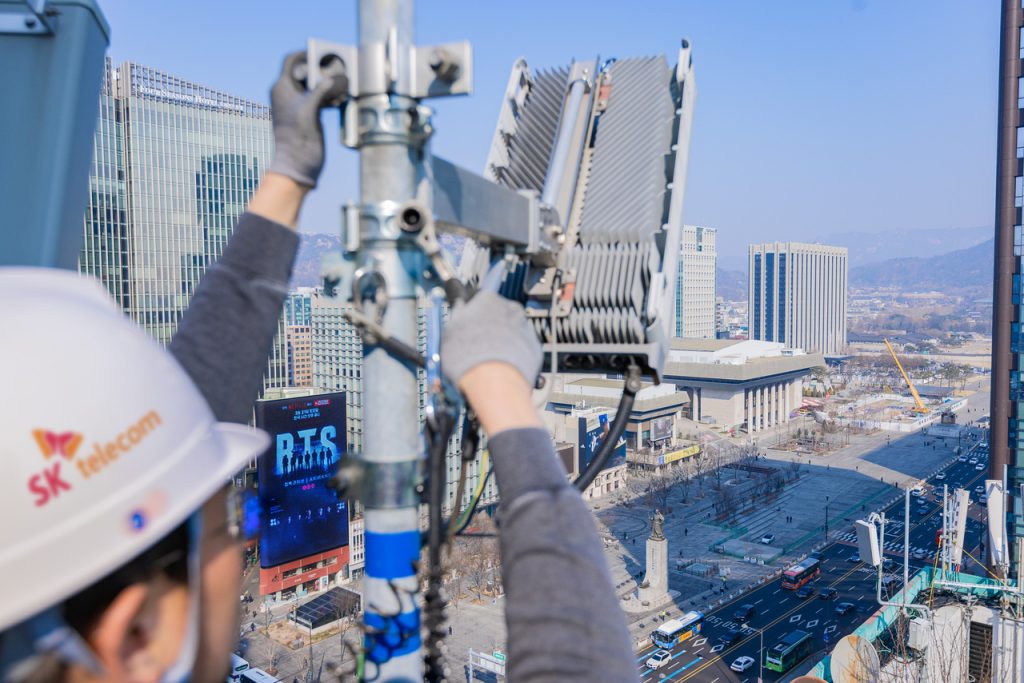
South Korea’s leading mobile carriers – SK Telecom, KT, and LG Uplus – are ramping up their network infrastructure in anticipation of a massive influx of fans for the highly anticipated BTS comeback concert in Seoul.
The “BTS The Comeback Live: Arirang” concert is slated to begin at 8 p.m. on March 21st at Gwanghwamun Square. Police estimate a crowd of over 260,000 people, with fans expected to arrive as early as the day before to secure their spots.
This concert marks the K-pop sensation’s first full-group performance in nearly four years, following a hiatus due to mandatory military service obligations.
Anticipating a surge in mobile data usage as hundreds of thousands of attendees simultaneously upload photos and videos, livestream the event, and share their experiences on social media, the three major carriers have implemented comprehensive network reinforcement plans. These plans combine traditional infrastructure upgrades with advanced AI-powered traffic management solutions.
SK Telecom will debut its AI-based network operations system, A-One (Access All-in-One), at the concert. This system leverages coverage analysis for optimal temporary equipment placement, utilizes historical event data to predict traffic volume, and employs AI-agent-based monitoring to ensure real-time network quality adjustments.
SKT has divided the Gwanghwamun and Seoul City Hall area into three zones based on expected crowd density and data usage:
- Zone 1: The main concert venue along Sejong-daero boulevard (eight lanes) between Gwanghwamun and City Hall, accommodating 22,000 ticketed attendees.
- Zone 2: Surrounding streets, ticket booths, and merchandise areas where non-ticketed fans will gather.
- Zone 3: Outer side streets expected to experience high foot traffic and congestion.
The company has also installed mobile base stations and temporary relay equipment near the stage, ticket counters, and merchandise areas, while also optimizing network coverage for roaming users and subway stations close to the concert venue.
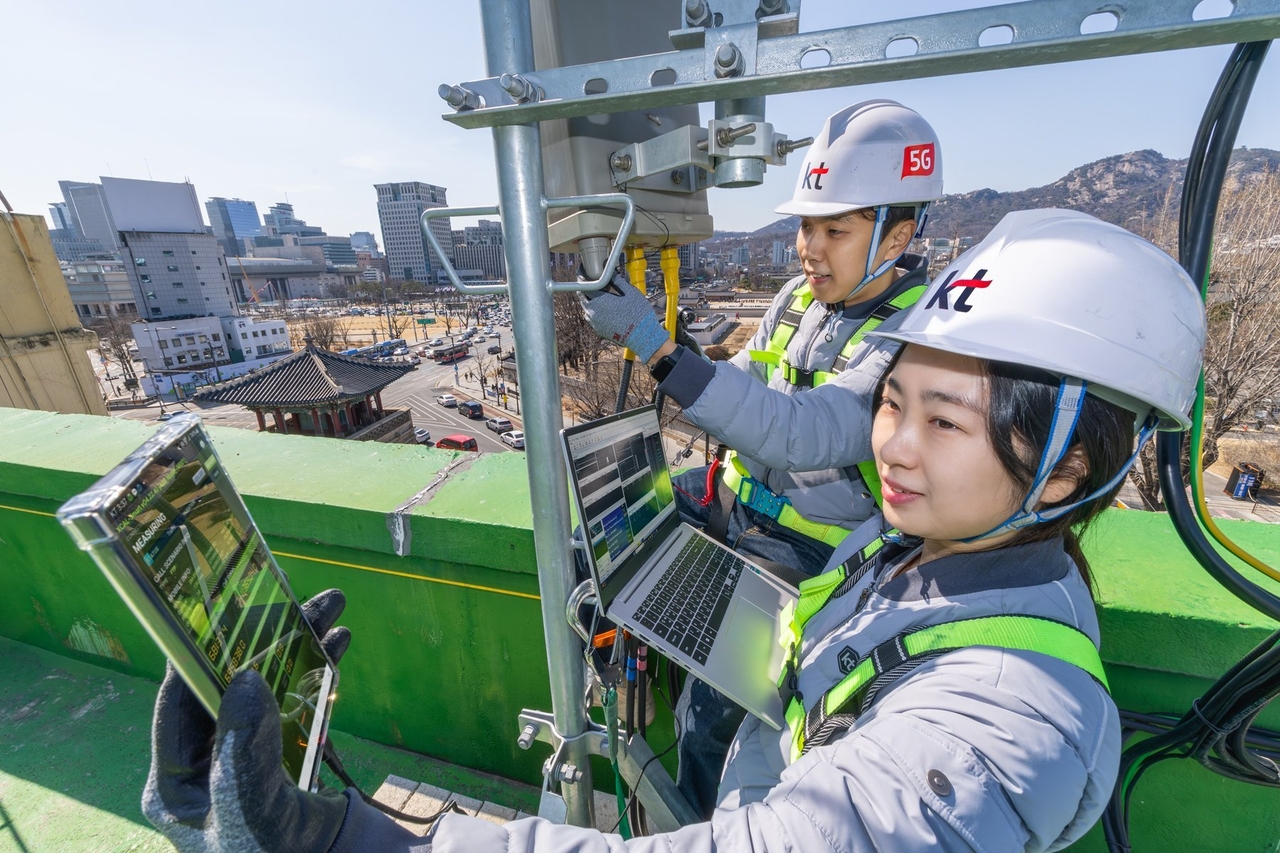
KT has deployed six mobile base stations throughout the Gwanghwamun and City Hall plaza, in addition to 79 newly constructed wireless base stations and 14 new Wi-Fi access points. During the concert, the company’s network control center in Gwacheon will operate under an emergency protocol, with approximately 80 staff members, including 40 on-site engineers, monitoring network traffic in real-time.
KT will also implement W-SDN (Wireless Software Defined Network), an AI-powered solution designed to detect early signs of base station overload and automatically reroute traffic within one minute.
To accommodate the expected surge in high-definition streaming traffic from both domestic and international viewers watching the live broadcast, KT has also significantly increased the capacity of its backbone network.
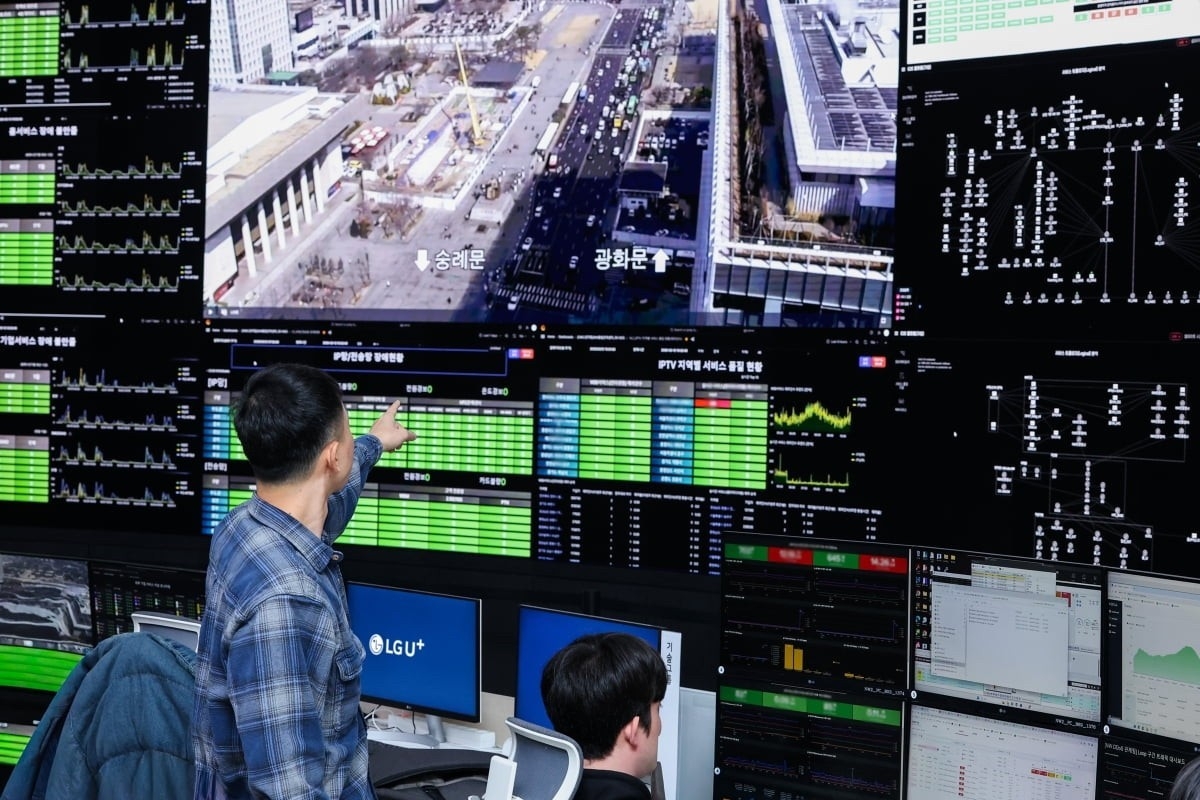
LG Uplus is installing mobile base stations and temporary repeaters at over ten locations surrounding the concert venue. The carrier’s autonomous network technology pre-configures operating parameters for nearby cells ahead of the event and automatically adjusts base station output and connection settings during the concert to redistribute network traffic in the event of overload.
LG Uplus will have an on-site operations team to monitor equipment and network performance, supported by an emergency response team at the company’s Magok network operations center.
mjh