
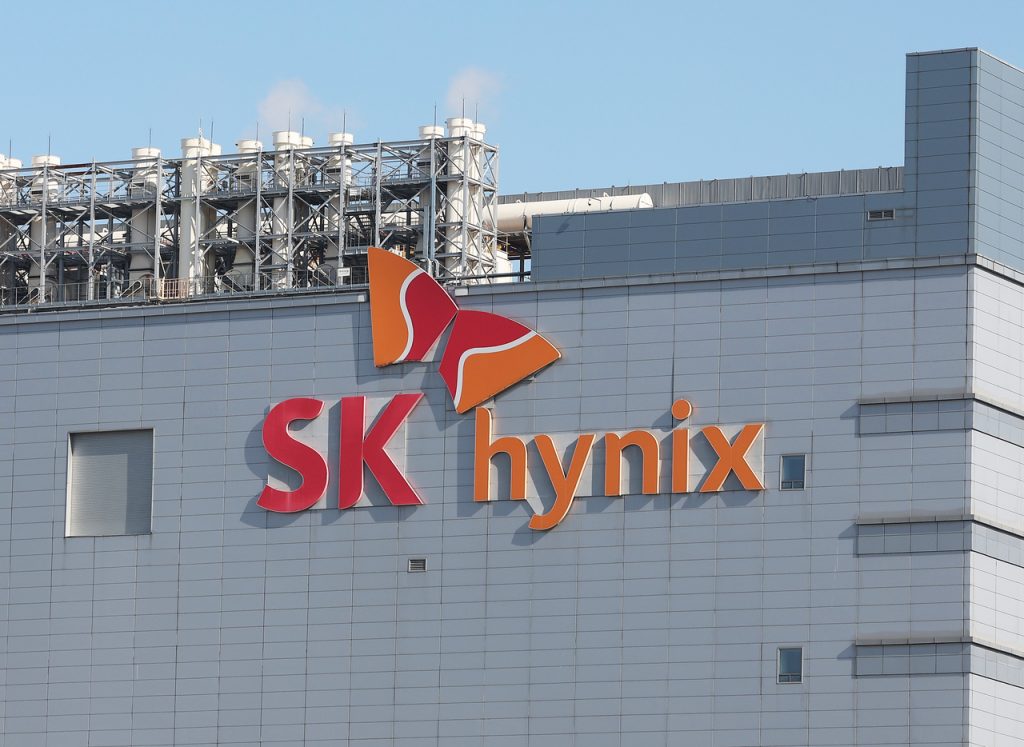
SK hynix ramped up its commitment to future technologies in 2025, reporting its highest-ever research and development (R&D) expenditure, nearing 7 trillion won ($4.66 billion). The investment surge underscores the company’s focus on advancing next-generation artificial intelligence (AI) memory technologies.
According to an audit report released via the Financial Supervisory Service’s electronic disclosure system on Sunday, the South Korean chip giant invested a total of 6.73 trillion won in R&D during 2025.
This represents a substantial 35.9 percent increase from the 4.95 trillion won spent in the previous year, marking a new record for the company.
The investment momentum accelerated in the latter half of the year. After allocating 3.05 trillion won in the first six months, SK hynix invested almost 3.7 trillion won in the second half, highlighting its determination to maintain its technological leadership in advanced memory solutions.
This aggressive R&D spending aligns with the company’s strong earnings performance, fueled by the global AI boom. SK hynix achieved a record-breaking operating profit of over 47 trillion won last year – the highest among all Korean companies.
Market analysts remain optimistic about SK hynix’s future prospects. Some project that the company’s operating profit could reach 200 trillion won this year if the demand for AI-driven memory continues to rise.
The increase in R&D spending reflects SK hynix’s strategic focus on strengthening its position in high-bandwidth memory (HBM), a critical component used in AI accelerators.
SK hynix is currently the leading supplier of HBM to Nvidia, the dominant player in the AI accelerator market. However, competition is expected to intensify in the upcoming sixth-generation HBM4 market, as competitors actively strive to close the gap.
Samsung Electronics also demonstrated its commitment to innovation, investing a record 37.7 trillion won in R&D last year, signaling its own ambitions to lead the next generation of AI memory technology.
Last month, Samsung announced the world’s first mass production and shipment of HBM4, a move widely interpreted as an attempt to reshape the emerging market landscape.
Meanwhile, SK hynix anticipates finalizing optimization work for HBM4 with Nvidia soon. The company projects securing approximately two-thirds of Nvidia’s HBM4 supply this year.
Beyond HBM development, SK hynix plans to continue advancing DRAM process miniaturization and stacking technologies to maintain its technological advantage.
The next generation of HBM is becoming increasingly sophisticated, requiring memory manufacturers to engage in logic processes and advanced packaging integration.
To overcome these challenges, SK hynix is developing innovative packaging technologies and exploring collaborative models with foundry partners.
During an internal company event last month, SK hynix CEO Kwak Noh-jung emphasized the importance of continuous improvement and vigilance, despite the company’s positive performance.
“To become a world-class company, we must learn from the best,” Kwak stated. “We should maintain a sense of urgency and concentrate on our core competitiveness, while taking pride in our accomplishments without becoming complacent.”
yeeun


