
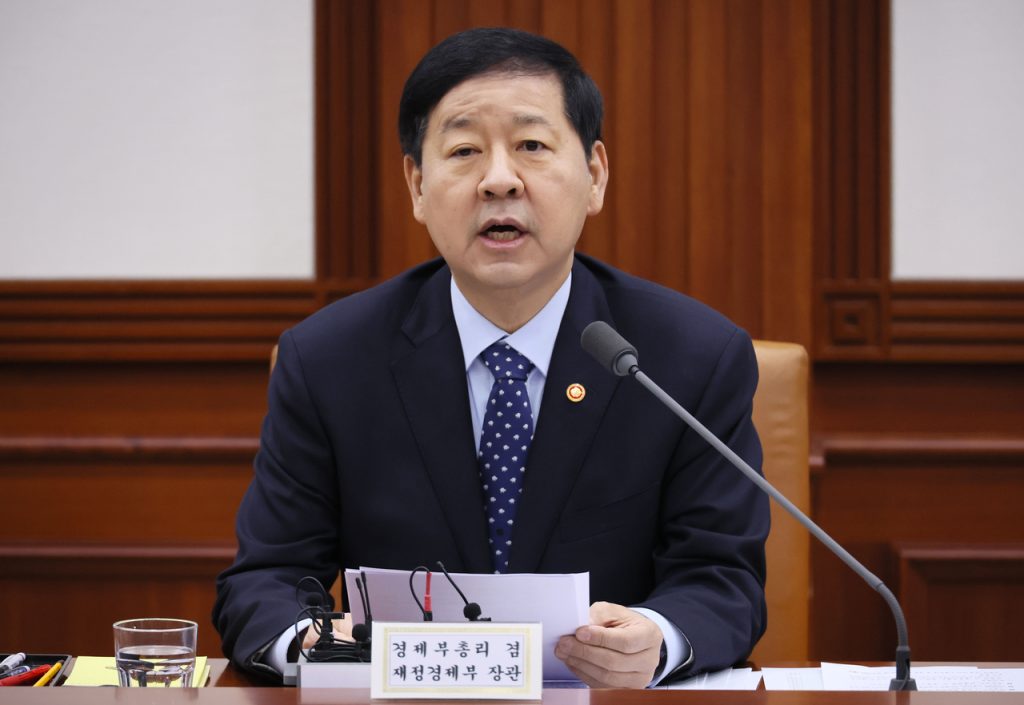
South Korea is set to implement a comprehensive economic strategy, encompassing potential supplementary budgets and an activated emergency economic response system, to mitigate the economic fallout from the escalating Middle East crisis, according to the nation’s finance minister on Wednesday.
The escalating tensions have triggered increased volatility in financial markets, with the Korean won experiencing a significant decline against the US dollar and domestic fuel prices surging in response to reported US-Israeli actions in Iran and subsequent retaliatory measures.
“The government is committed to deploying robust support measures, including the consideration of a supplementary budget if necessary, and leveraging all available policy instruments to minimize the impact of the Middle East situation on the livelihoods of our citizens, the overall economy, and key industries,” stated Finance Minister Koo Yun-cheol during a meeting with economy-related ministers.
As an immediate response, the government plans to introduce a temporary cap on domestic fuel prices, effective this week, to ease the burden on consumers.
Authorities are also preparing supplementary measures aimed at ensuring market stability. These include strict prohibitions against hoarding and price gouging of petroleum products, as well as fuel-linked subsidies designed to support diesel users such as freight trucks, buses, and taxis.
To address uncertainties surrounding energy supplies, particularly in relation to potential disruptions affecting shipping through the Strait of Hormuz, a critical global energy transit route, the minister emphasized the government’s commitment to a zero-tolerance policy toward any potential collusion by oil refiners.
“We will actively prevent hoarding and refusal to sell by oil refiners and gas stations by implementing a public notice that explicitly bans stockpiling and speculative practices involving petroleum products,” Koo affirmed.


