Botulinum Toxin Makers Hugel, Medytox, Daewoong Monitor Middle East Expansion Plans Amid Rising Tensions and Logistics Risks
Korean pharmaceutical and health device companies are closely watching the escalating tensions and potential Iran war, raising concerns about supply chain disruptions and export challenges.
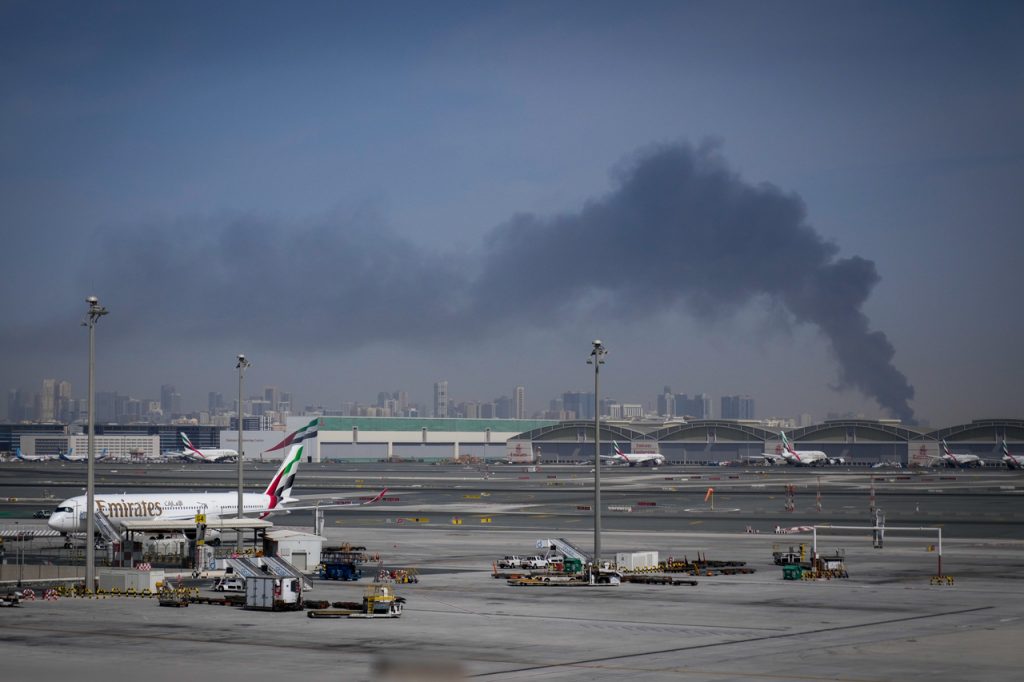
The Korea Pharmaceutical and Bio-Pharma Manufacturers Association has cautioned that product delivery schedules could face setbacks due to potential flight reductions, rerouting, or airspace closures resulting from the Middle East conflict. They also highlight the risk of delayed payments for businesses.
“Disposable culture bags, filters, and crucial raw materials for biopharmaceutical manufacturing demand precision and are primarily transported via air,” stated Jung Yun-taek, president of the Pharmaceutical Strategy Institute.
“The closure of Middle Eastern air routes could cause a spike in air freight costs and delivery delays, significantly impacting manufacturing expenses.”
Data from the Ministry of Food and Drug Safety indicates that Korean drugmakers’ self-sufficiency rate was approximately 23 percent in 2023.
Jung further emphasized that blocked export routes to the Middle East, an emerging key market for Korean firms, could negatively affect profitability and weaken their global market presence.
Botulinum toxin producers Hugel, Medytox, and Daewoong Pharmaceutical are particularly attentive, having actively expanded their operations in the Middle East in recent years.
Hugel, already present in Kuwait and the United Arab Emirates, conducted workshops in both countries late last year to promote its products and boost brand awareness, aiming for further regional expansion.
Medytox is proceeding with plans to construct a botulinum toxin manufacturing facility in Dubai Science Park, striving to become the first Korean company with a halal-certified, non-animal liquid toxin production site overseas.
Daewoong Pharmaceutical solidified its presence by signing export agreements with Iraq and Bahrain in October, establishing a network spanning 10 Middle Eastern markets and highlighting the region’s significance as a vital component of its global growth strategy.
“The immediate impact of the conflict may be limited; however, a prolonged situation could force companies to re-evaluate their Middle Eastern expansion strategies,” an industry insider commented.
According to the Korea Health Industry Development Institute, Korean bio and health industry exports to the Middle East reached a record $1 billion last year, a 33.8 percent increase from 2024. Medical devices accounted for $380 million and pharmaceuticals for $170 million of the total export value.
Meanwhile, the Dubai branch of Korean dental implant manufacturer Osstem Implant implemented emergency protocols last week, with employees working remotely. The company stated it is closely monitoring emergency contacts and consulting with the Korean Embassy to address the rapidly unfolding situation.
hwkan