South Korea’s leading mobile operators, SK Telecom, KT, and LG Uplus, are set to highlight their advancements in artificial intelligence (AI)-driven networks and innovative services at this year’s Mobile World Congress (MWC), the premier annual event for the mobile technology industry, commencing next week in Barcelona.
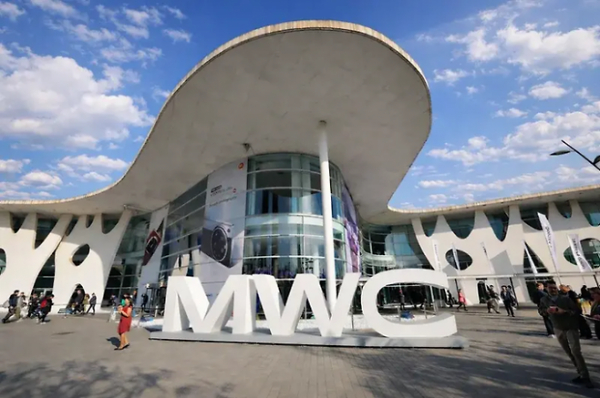
MWC 2026, taking place from March 2nd at the Fira Gran Via and hosted by the GSMA, has evolved significantly beyond its initial focus on smartphone launches. The overarching theme for this year, “The IQ Era,” emphasizes the industry’s strategic shift toward AI-powered infrastructure, enterprise solutions, and next-generation connectivity.
Organizers anticipate a strong turnout, with over 2,900 companies from approximately 200 countries participating, and an estimated 110,000 visitors expected – exceeding last year’s figures. South Korea’s presence will be substantial, with around 180 companies, including SK Telecom, KT, and LG Uplus, joining industry giants Samsung Electronics and LG Electronics.
A central theme for the Korean carriers at this year’s MWC is the deep integration of AI into telecommunications networks. This involves leveraging machine learning to automate network operations, optimize resource allocation, and support the delivery of data-intensive emerging services.
SK Telecom intends to showcase a comprehensive AI portfolio, encompassing infrastructure solutions, proprietary AI models, and customer-centric services. The company is expected to demonstrate cutting-edge technologies that seamlessly integrate AI into network management systems, alongside enterprise-grade solutions tailored to facilitate corporate digital transformation initiatives.
SK Telecom is also subjecting its internally developed large language model (LLM), A.X K1, to rigorous external safety testing at MWC 2026. The company will actively participate in the Global AI Red Team Challenge during the event, where A.X K1 will undergo evaluation for potential misuse vulnerabilities.
KT is adopting a distinct approach, merging AI technology with engaging Korean cultural content. Their exhibition booth, designed to resemble Seoul’s iconic Gwanghwamun Square, will feature an AI-generated avatar of renowned footballer Lee Kang-in, greeting visitors in multiple languages. Attendees can also expect immersive augmented reality K-pop experiences and interactive programs centered around traditional Korean attire.
KT aims to demonstrate how localized AI models can significantly enhance customer engagement and boost the export of Korean cultural content, according to company statements.
KT will also present its in-house large language model, Mi:dm K, specifically designed for Korean enterprise environments. The Mi:dm K 2.5 Pro, a 32-billion-parameter model supporting up to 128,000 tokens, enables in-depth analysis of extensive documents spanning hundreds of pages.
LG Uplus will concentrate on “human-centered AI” solutions. LG Uplus CEO Hong Bum-shik is slated to deliver a keynote address at the opening ceremony, focusing on this theme. He will highlight the company’s AI-powered phone agent, branded ixi-O, which is designed to autonomously interpret and respond to user requests, streamlining customer service interactions.
LG Uplus will also showcase self-optimizing network systems, agentic AI contact center platforms developed in collaboration with OpenAI, and AI data center strategies developed in coordination with other LG Group affiliates.