
South Korea’s industry ministry announced on Sunday that it is preparing for all possible scenarios, including a potential closure of the Strait of Hormuz, as tensions escalate in Iran. They emphasized that the immediate impact on shipping logistics appears to be limited.
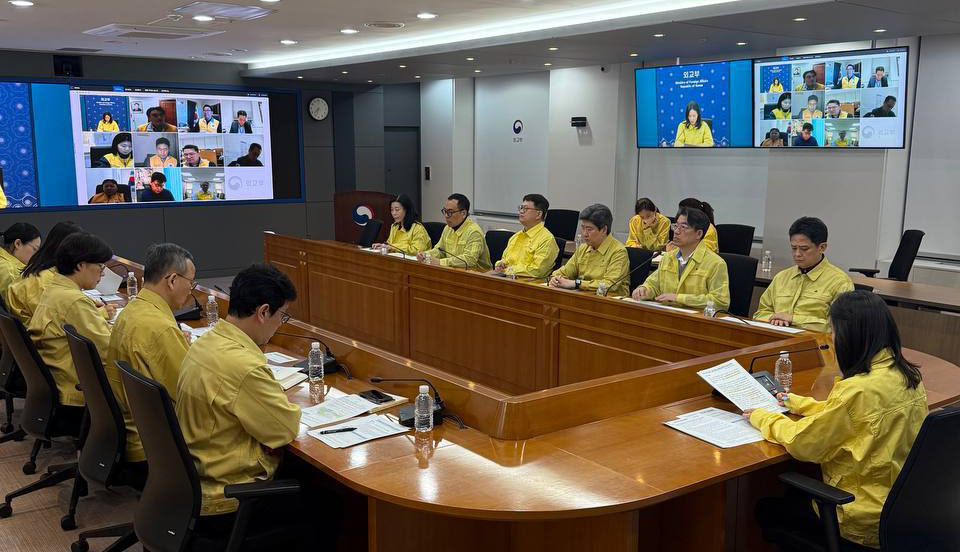
The Ministry of Trade, Industry and Resources convened an urgent meeting with related government bodies and institutions to assess the economic and industrial consequences of the recent US-Israeli strike in Iran, which occurred amidst ongoing negotiations regarding Tehran’s nuclear ambitions.
Reports indicate that the attack resulted in the death of Iran’s Supreme Leader Ayatollah Ali Khamenei.
In light of these developments, authorities are prioritizing comprehensive measures to mitigate potential economic repercussions, particularly in the event of a Strait of Hormuz blockade. This includes meticulously managing oil tanker schedules and identifying alternative shipping routes, according to the ministry.
The Strait of Hormuz is a crucial global oil transit chokepoint, connecting the Persian Gulf to international markets. South Korea, heavily reliant on energy imports, could face significant disruptions if access to this waterway is restricted.
Currently, South Korea maintains strategic oil reserves sufficient for several months, in addition to gas inventories exceeding the mandated storage requirements.
The ministry stated that, following internal evaluations, it is prepared to release strategic oil reserves into the domestic market should the crisis persist and private-sector crude oil stockpiles fall below a designated level.
The government is also developing support initiatives for exporters, including liquidity assistance and logistical cost subsidies through export vouchers and other support programs. Prolonged instability could negatively affect exports due to increased oil prices and shipping costs.
The ministry indicated that if shipping disruptions worsen, additional measures, such as deploying temporary vessels, will be considered.
For now, the impact of the Middle East conflict on maritime logistics has been minimal, as most major container shipping companies have been diverting routes around the Cape of Good Hope since the Red Sea crisis in 2023, bypassing the Suez Canal.
The ministry affirmed its commitment to continuous, real-time monitoring through its emergency response task force, established on Saturday. They will also maintain close collaboration with relevant agencies.


