
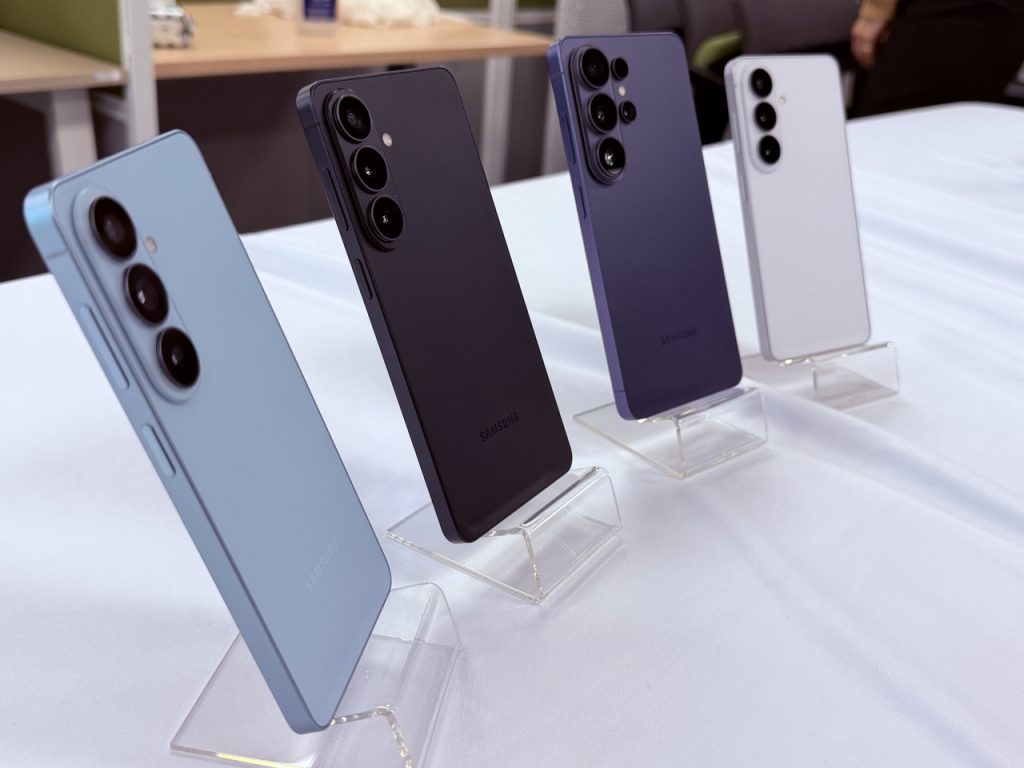
Samsung Galaxy S26 Ultra: Privacy Display Impresses, Exynos Chip and Price Raise Questions
The Samsung Galaxy S26 Ultra introduces a game-changing feature: a screen that automatically darkens when someone attempts to peek at it. While it might sound like a simple trick, it offers a significant boost to user privacy.
The Korea Herald recently had the opportunity to test the entire Galaxy S26 lineup at Samsung’s Seoul press event, shortly after their global unveiling in San Francisco. Following a 40-minute product overview, a 30-minute hands-on session provided a glimpse into the new features, though it wasn’t enough time to fully assess everything.
Galaxy S26 Ultra’s Revolutionary Privacy Display
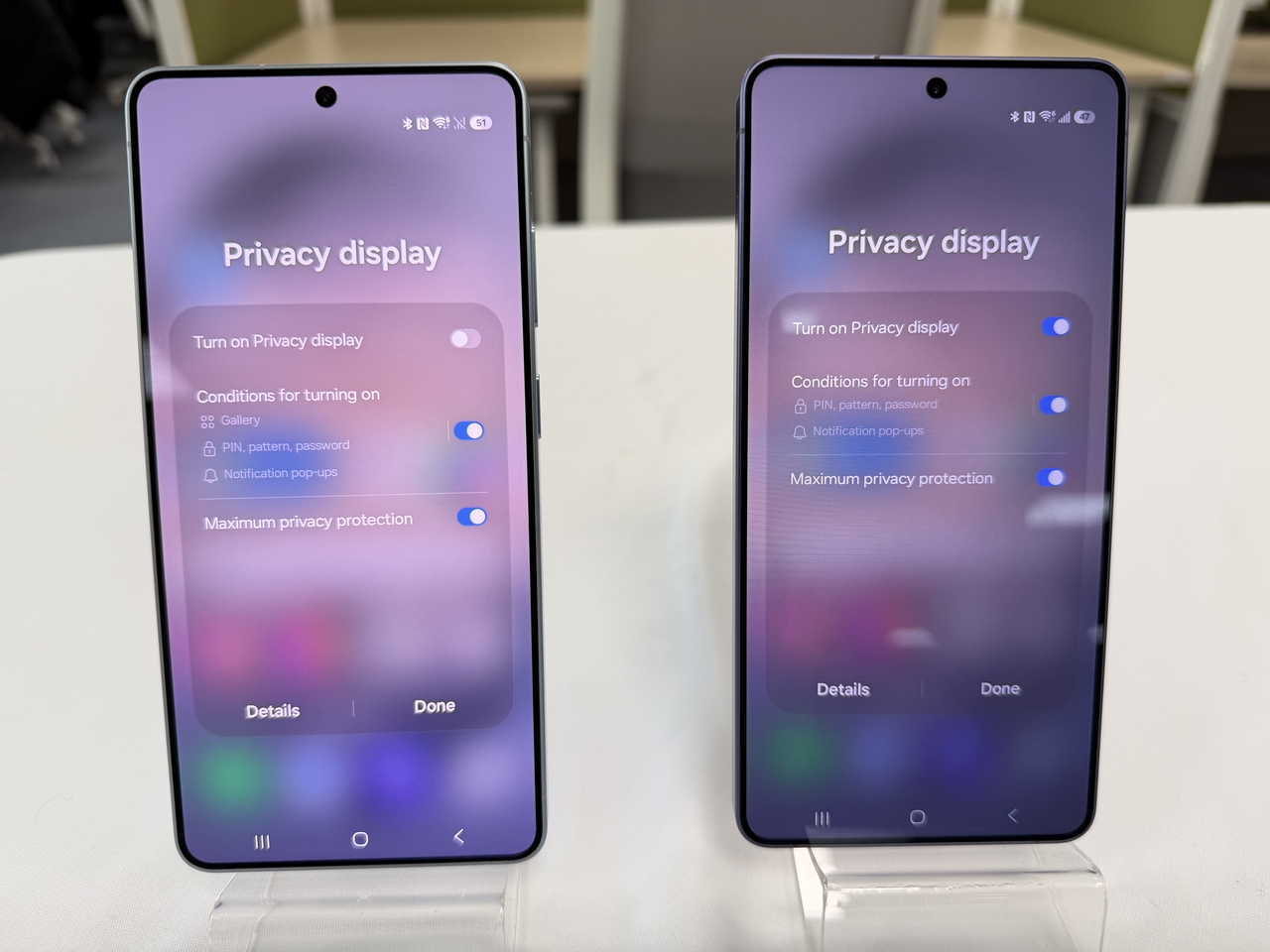
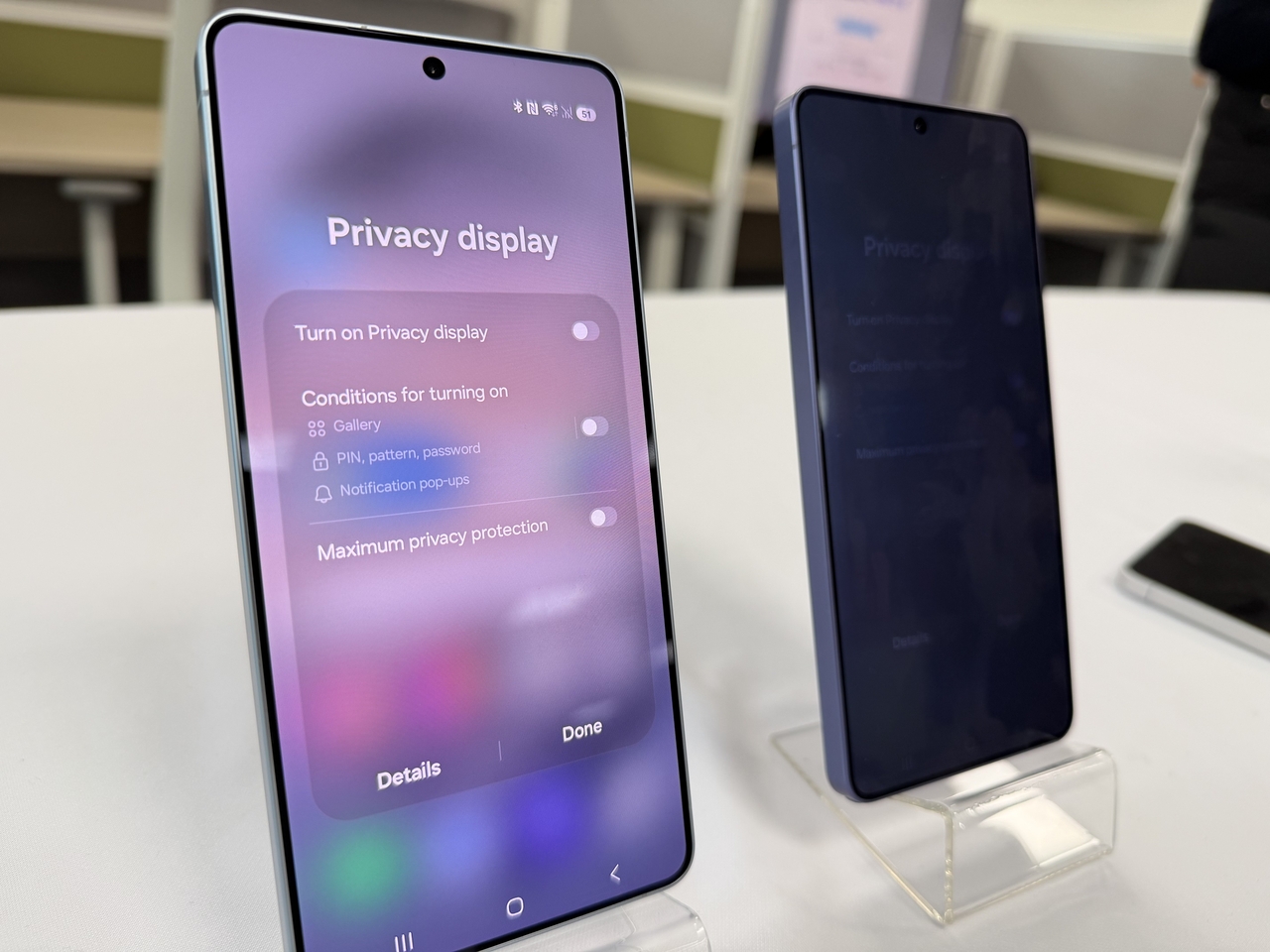
The S26 Ultra’s Privacy Display utilizes a unique dual-pixel OLED technology: wide-firing pixels for normal viewing and narrow pixels that direct light straight ahead. When activated, the wide pixels dim, making the screen appear normal from the front but nearly black from the sides.
Unlike privacy films that can degrade image quality and only block side views, Samsung’s pixel-level implementation blocks visibility from all four directions and can be selectively applied to specific apps or screen elements.
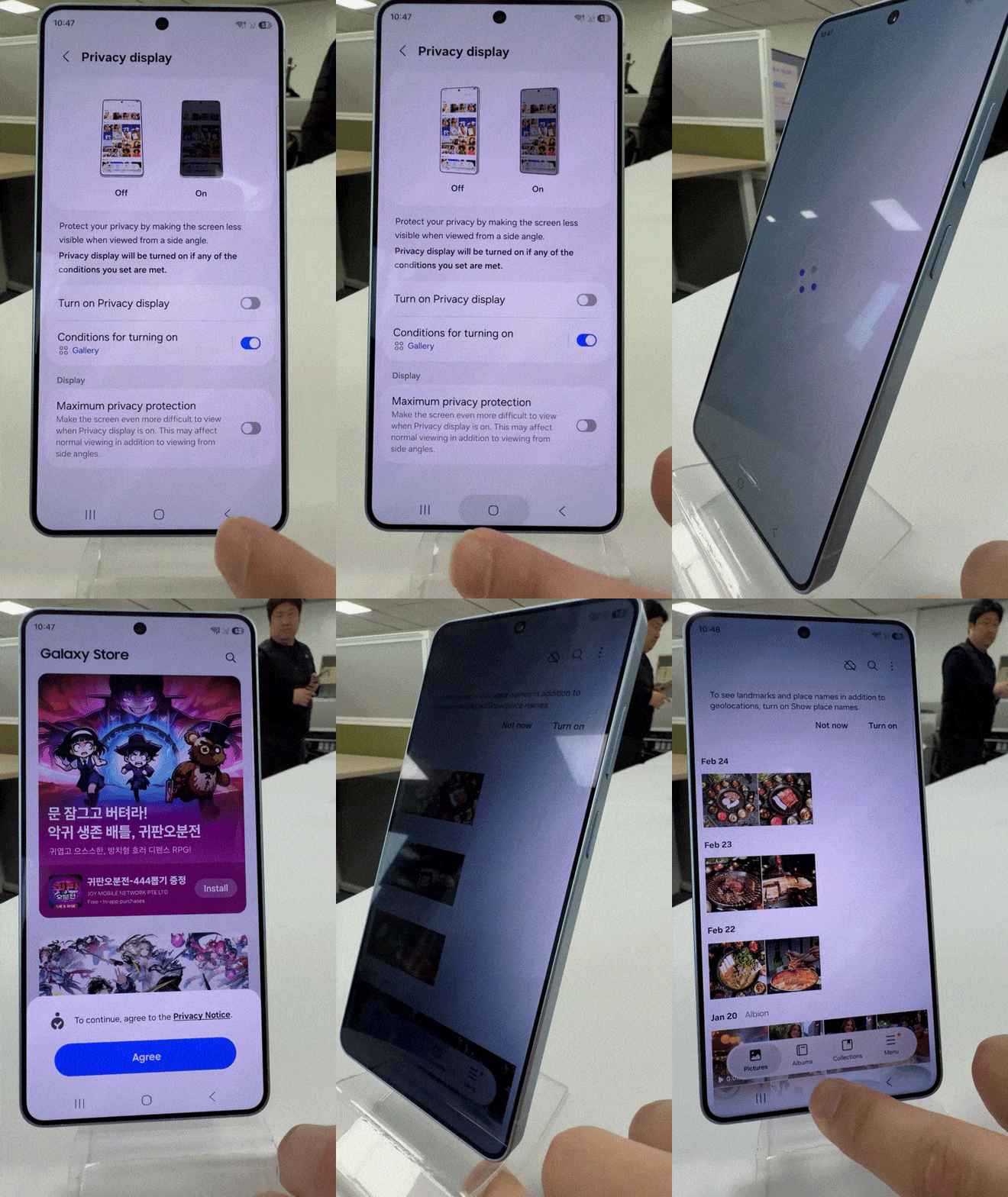
The process of setting the Privacy Display to activate only for the Gallery app was quick and seamless. Upon opening the Gallery, the screen dimmed for anyone nearby, returning to normal upon exiting.
The feature can also be triggered when entering a PIN or for notification pop-ups. The brightness reduction viewed head-on was minimal, preserving image clarity without any muddiness or grayish tint.
Anyone who’s ever shielded their phone on public transport or when entering a password will appreciate the S26 Ultra’s Privacy Display feature.
Meaningful but Incremental Upgrades for the Ultra
Beyond the Privacy Display, the most notable hardware upgrade in the Ultra lies within the camera system. The 200MP main lens now boasts a wider f/1.4 aperture (previously f/1.7), capturing 47% more light, while the 50MP 5x telephoto lens opens to f/2.9 from f/3.4, resulting in a 37% light gain. Both improvements should significantly enhance low-light photography.
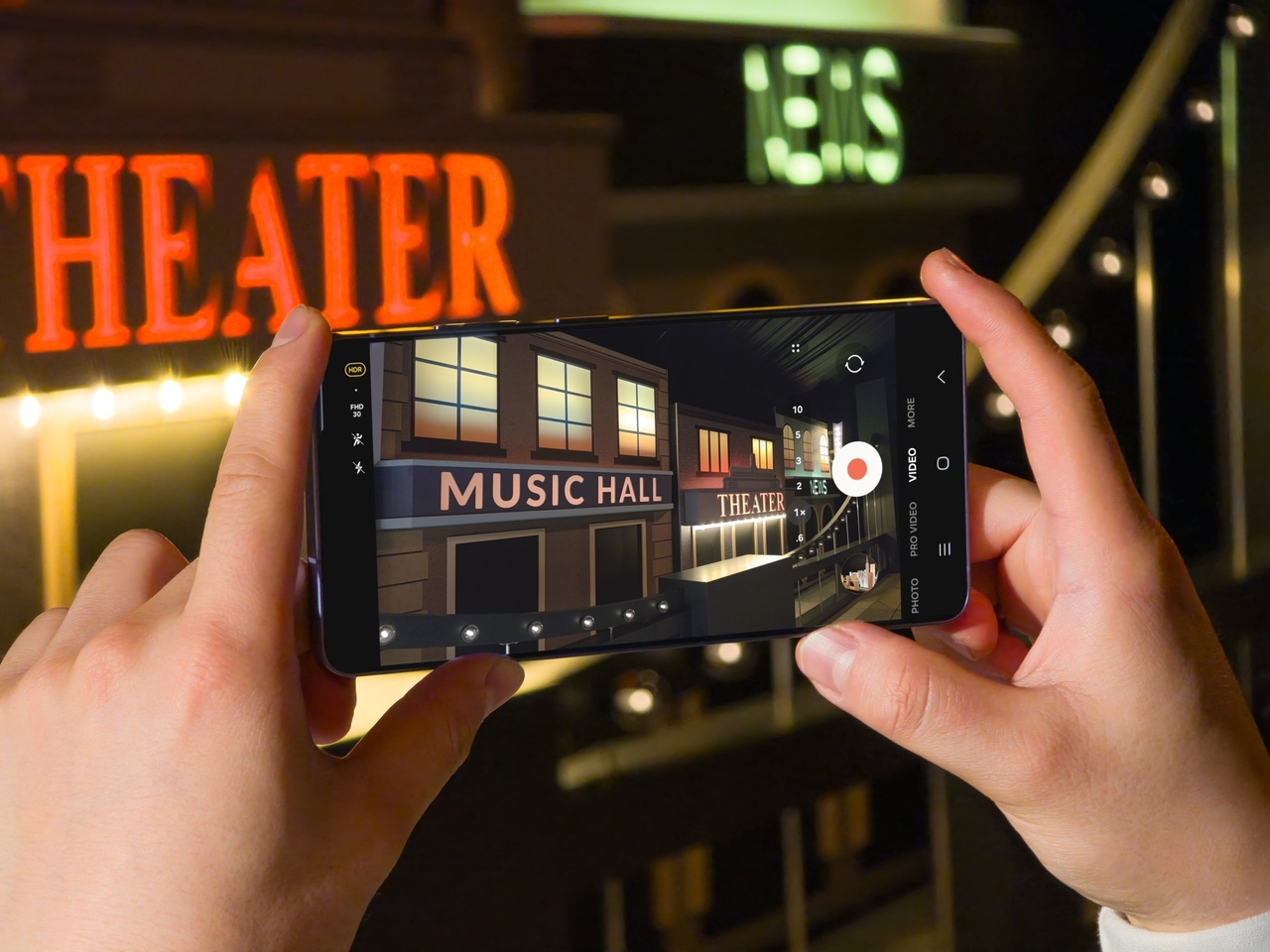
Most other camera enhancements showcased during the briefing, such as enhanced Nightography video and improved front-camera processing, are primarily driven by software and computational advancements rather than new lens hardware.
The Ultra also offers faster charging (75% in 30 minutes), a slightly lighter design (214 grams, down from 218), and a slimmer profile (7.9mm from 8.2mm) thanks to a new Armor Aluminum frame.
Unanswered Questions from the Hands-On
Samsung is positioning the S26 as an “agentic AI phone,” but AI-powered features like Now Nudge and Gemini’s automated taxi-booking were limited to scripted demos, making a thorough assessment difficult.
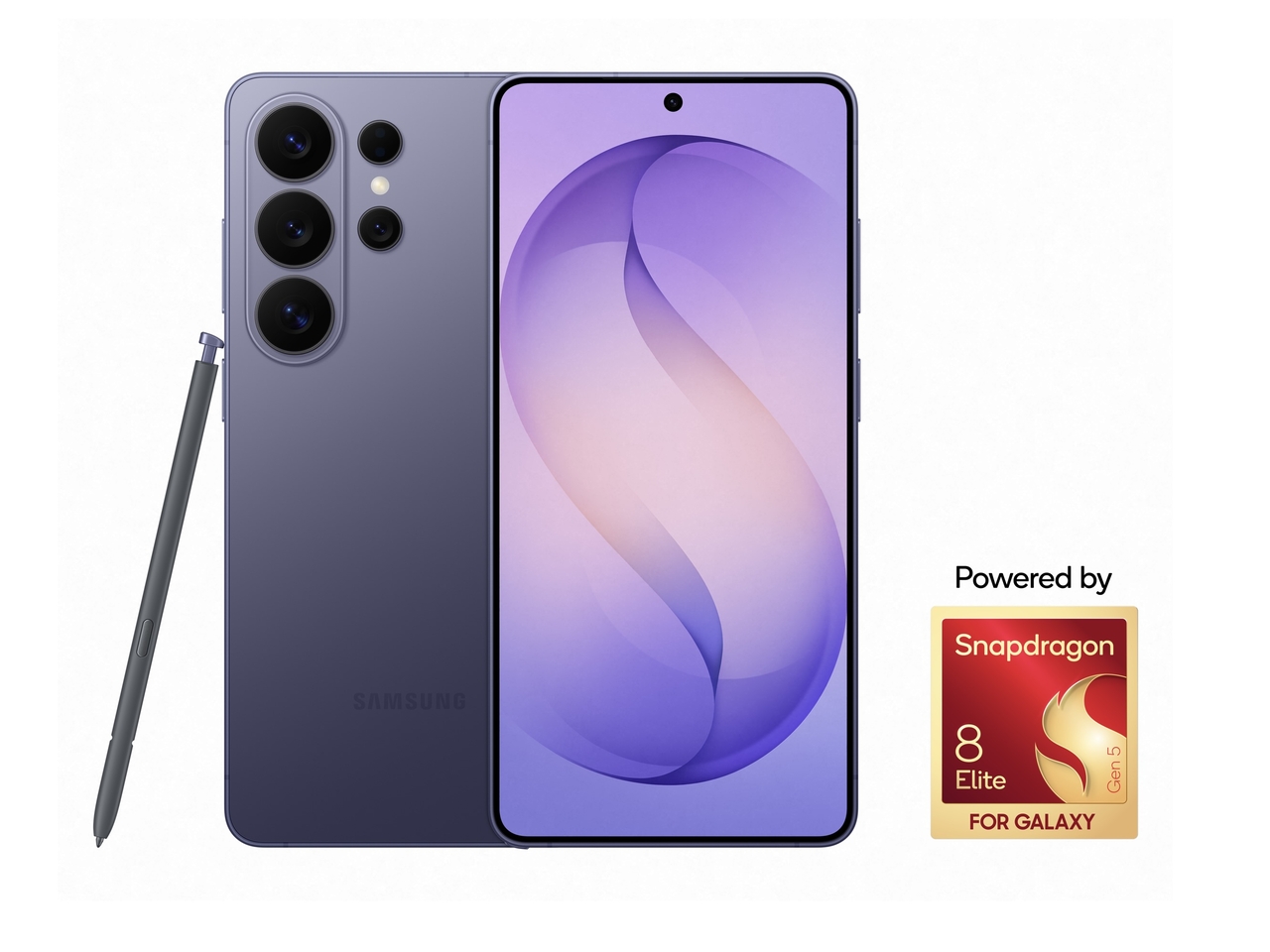
The Exynos processor remains a significant point of discussion. The standard S26 and S26+ models will be equipped with Samsung’s Exynos 2600 chip in Korea, Europe, and other international markets, while the Ultra will use Qualcomm’s Snapdragon 8 Elite Gen 5 for Galaxy worldwide. While both were present at the briefing, the brief hands-on time couldn’t reveal anything about sustained performance or thermal management.
Preliminary benchmarks suggest the Exynos lags behind the Snapdragon in peak single-core speed by approximately 15%, while performing similarly in multi-core tests. Samsung emphasizes the 2nm chip’s efficiency and thermal stability. This is a reasonable claim, but one that requires weeks of real-world usage to confirm.
While the non-Ultra models benefit from the S26 lineup’s AI and software improvements, they lack the camera hardware upgrades found in the Ultra. The S26 does receive a modest battery increase to 4,300mAh (from 4,000mAh) and a slightly larger 6.3-inch display (up from 6.2 inches). All models now start with 256GB of storage, eliminating the 128GB option.
The entire S26 series sees a price increase in South Korea, costing 99,000 won ($70) more than their predecessors. In the US, the base Ultra configuration remains at $1,299.99, while the base S26+ rises $100 to $1,099.99, and the base S26 increases $40 to $899.99 for the 256GB model.
For Ultra buyers, the Privacy Display alone might justify the upgrade. Its instant impact, ease of use, and lack of a learning curve make it a standout feature.
However, the non-Ultra models present a mix of software enhancements and higher prices, lacking the camera hardware improvements and Privacy Display of the Ultra. For Korean consumers, the performance of the Exynos 2600 will be a key consideration. Its ability to match the Snapdragon experience remains to be seen ahead of the March 11 launch.
Pre-orders begin domestically on February 27th. In the US, all three models are available for pre-order today at Samsung.com, Amazon, Best Buy, and major carriers.
mjh


