
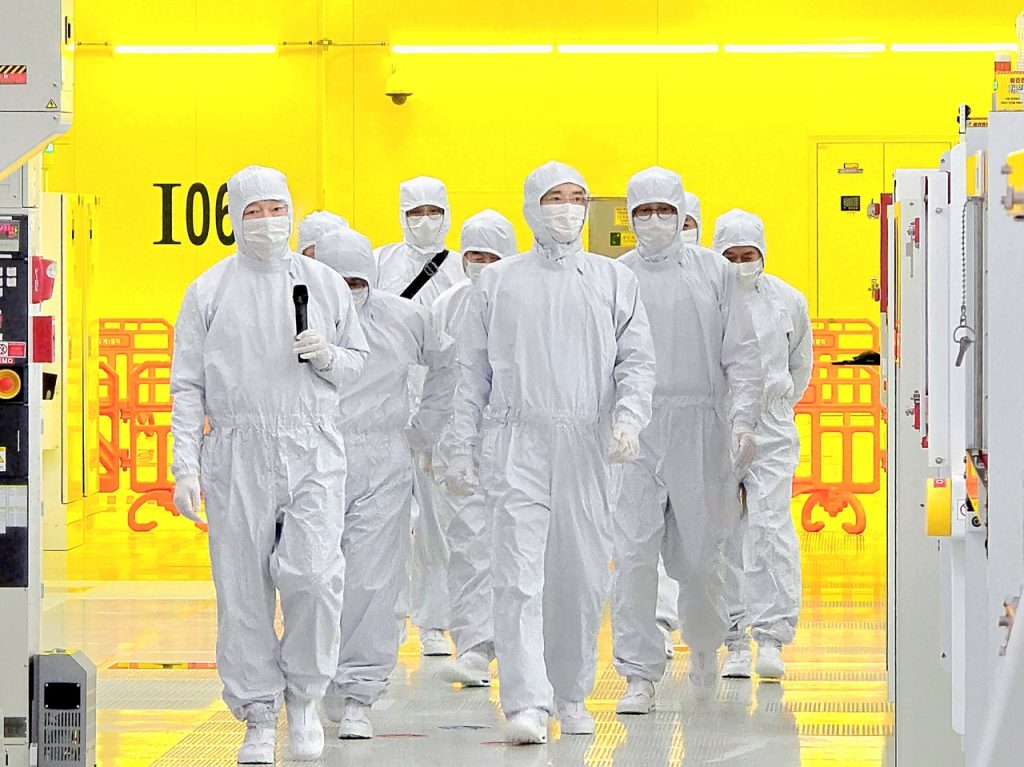
South Korea’s producer price inflation continued its upward trajectory in January, marking the fifth consecutive month of increases. According to data released by the central bank on Tuesday, this rise was primarily fueled by a significant surge in semiconductor prices and increased costs of agricultural products.
The producer price index (PPI), a crucial indicator for predicting future consumer inflation, rose by 0.6 percent in January to reach 122.50, according to preliminary figures from the Bank of Korea (BOK). This represents an acceleration compared to the 0.4 percent increase observed in December.
The PPI has been on a steady rise since September, with increases of 0.4 percent, 0.3 percent, and 0.3 percent recorded in September, October, and November, respectively.
Year-on-year, producer prices in South Korea saw a 1.9 percent increase in January.
Producer prices are considered a leading indicator of inflation, as they directly influence the prices that businesses ultimately charge consumers in the following months.
Prices for agricultural and livestock products experienced a 0.7 percent month-on-month increase, while industrial goods also saw a gain of 0.6 percent.
Service prices also contributed to the overall increase, rising by 0.7 percent, primarily driven by a notable 4.7 percent increase in the cost of financial and insurance services.
The domestic supply price index, which factors in both producer and import prices, increased by 0.3 percent in January compared to the previous month.
“The persistent rise in the producer price index could potentially exert upward pressure on consumer prices moving forward. However, the increase is largely attributable to higher prices of intermediate goods, such as primary metal products and semiconductors. There will be a time lag before these increases are reflected in consumer prices,” stated BOK official Lee Moon-hee during a press briefing.
Specifically, chip prices experienced a substantial surge of 13.6 percent month-on-month, according to the BOK data.


