Korean cultural heritage is experiencing a vibrant renaissance, extending far beyond the confines of museums and traditional sites. This rich tapestry of history, folklore, and timeless tradition has become a pivotal creative force, fueling the global expansion of Korean pop culture. From K-pop sensations and captivating films to engaging dramas and immersive games, the nation’s profound past is now reaching diverse audiences worldwide. This article explores how various industries are ingeniously integrating Korea’s heritage to achieve remarkable global success.
Modern Takes on Korean Heritage Forging K-pop’s Distinct Global Identity
As the K-pop genre solidifies its status as a global phenomenon, artists are profoundly leveraging Korea’s deep well of history, traditional music, and distinctive visual traditions. This deliberate embrace is transforming cultural heritage from mere aesthetic embellishment into a foundational and defining element of K-pop’s unique global identity.
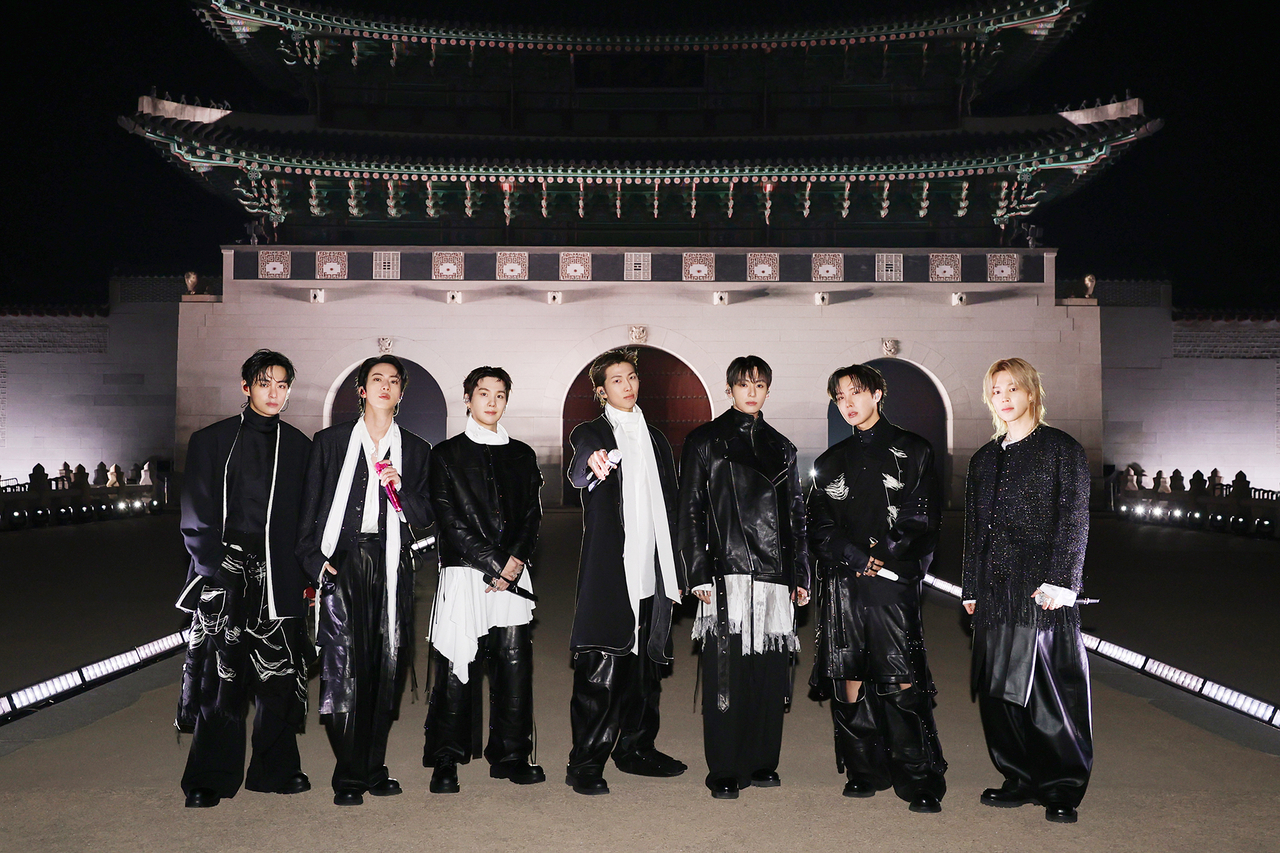
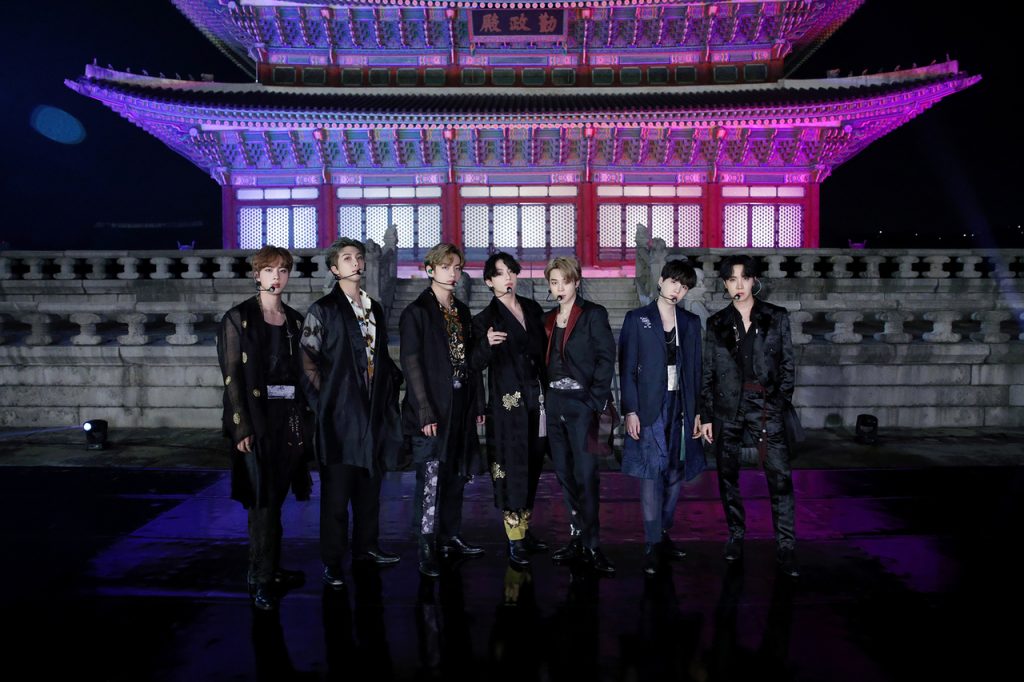
Leading this compelling evolution is global sensation BTS. The septet has consistently championed the integration of Korean heritage into their artistry, long before their recent album “Arirang,” named after the iconic Korean folk song. For instance, their 2020 performance of “Idol” on “The Tonight Show Starring Jimmy Fallon” showcased striking hanbok-inspired styling and incorporated traditional samulnori percussion rhythms within the track. Furthermore, BTS has honored Korea’s rich history by staging powerful performances at iconic historic landmarks like Sungnyemun and Gyeongbokgung, weaving the nation’s past into their global presentations.

In a significant cultural moment, BTS made history in March by holding their first public performance post-military service at Gwanghwamun Square, marking the first time any K-pop artist has hosted an exclusive live show in this revered historical space. This dedication to heritage also flourishes in solo endeavors, exemplified by Suga, under his solo moniker Agust D. His track “Daechwita” ingeniously reinterprets traditional royal military procession music, enriched with vivid Joseon-era imagery, offering a modern lens on Korea’s regal past.

Blackpink, another global K-pop powerhouse, has embarked on a parallel journey of cultural integration. Their music video for “Go” masterfully weaves traditional Korean motifs into its striking futuristic visuals, featuring intricate decorative patterns reminiscent of historical royal garments and ceramics, elegant celadon-inspired aesthetics, distinctive Hangeul typography, and the iconic taegeuk symbol. Previous hit music videos like “Pink Venom” and “How You Like That” also prominently showcased Korean cultural elements, from traditional musical instruments to modern hanbok-inspired fashion.
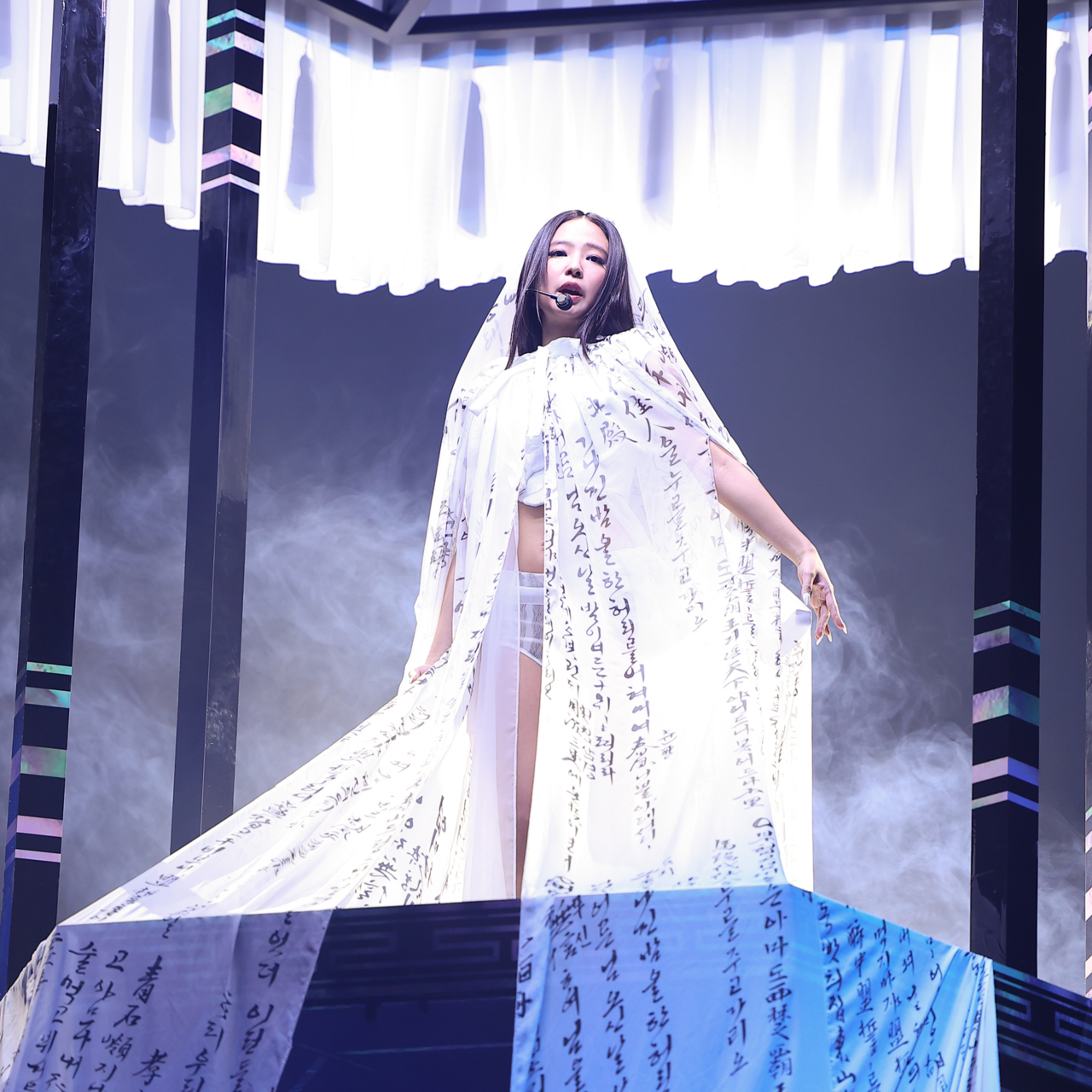
Further demonstrating this trend, Jennie captivated audiences with her solo performance of “Zen” at the 2025 Melon Music Awards. Her stage presence was deeply rooted in Korean heritage, as she adorned a magnificent 15-meter veil embroidered with verses from Cheonggu Yeongeon, a revered traditional Korean song collection, and a stunning costume inspired by the architectural grandeur of the Three-story Stone Pagoda at Bulguksa.
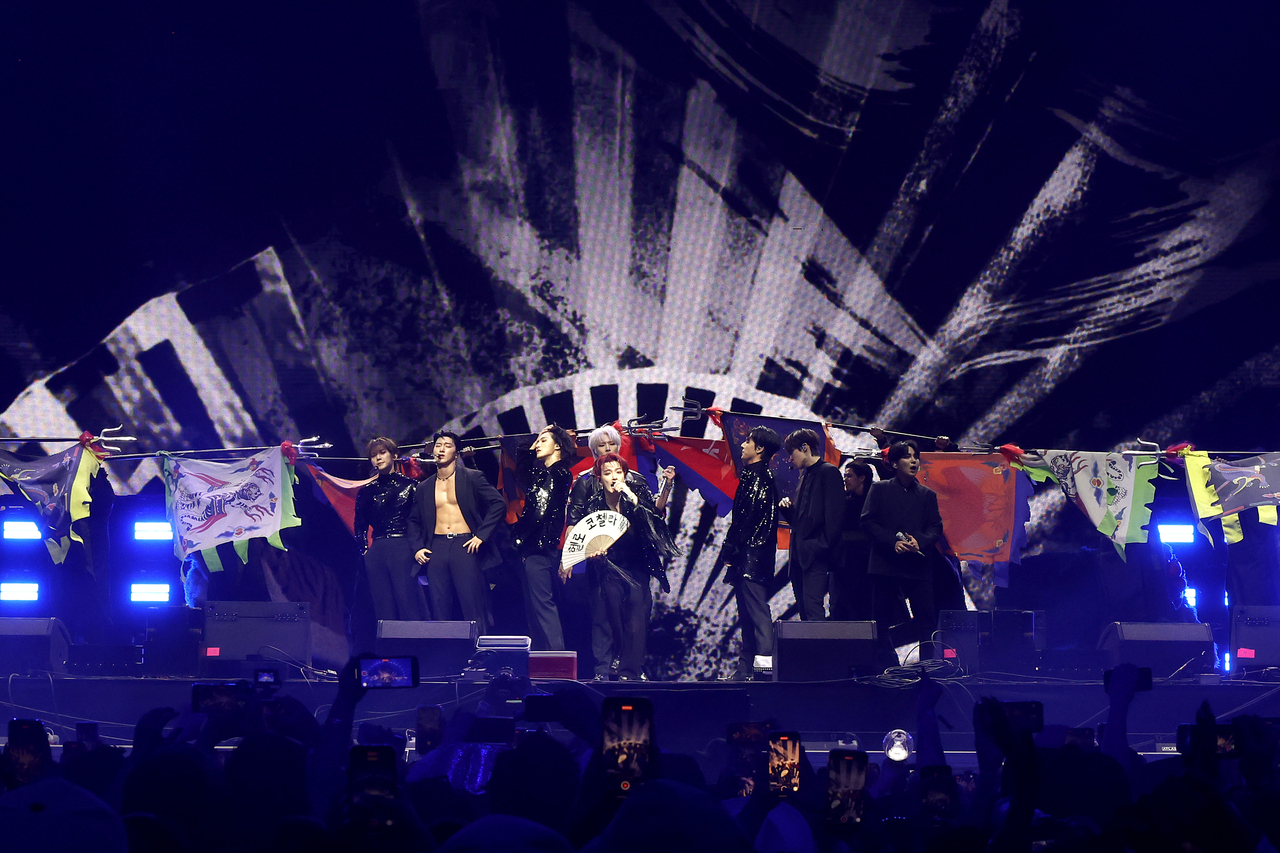
This profound embrace of Korean heritage is not limited to K-pop titans like BTS and Blackpink but resonates across the industry. For instance, Ateez delivered a powerful performance of “The Real” at the 2024 Coachella Valley Music and Arts Festival, incorporating striking traditional Korean props such as flags adorned with the Four Guardian Deities, visually stunning mother-of-pearl-inspired elements, and dynamic talchum-inspired choreography. Similarly, the promising rookie boy group Ampers&One centered their April comeback around the rich symbolism of the “gat” (a traditional Korean hat), seamlessly blending traditional choreography with contemporary hanbok-inspired styling.