
The Future of Smartphones: Engineering Trade-offs, Not Just Thinness, Will Define Next-Gen Devices
Samsung Electronics is set to unveil its groundbreaking next-generation Galaxy foldable smartphones in London on July 22nd. This strategic launch aims to solidify Samsung’s leadership in the innovative foldable market, particularly before Apple’s highly anticipated entry with its first-generation foldable device. Apple’s initial offering is expected to face immediate scrutiny over crucial factors like device thickness, battery longevity, and overall durability, areas where Samsung has years of refinement.
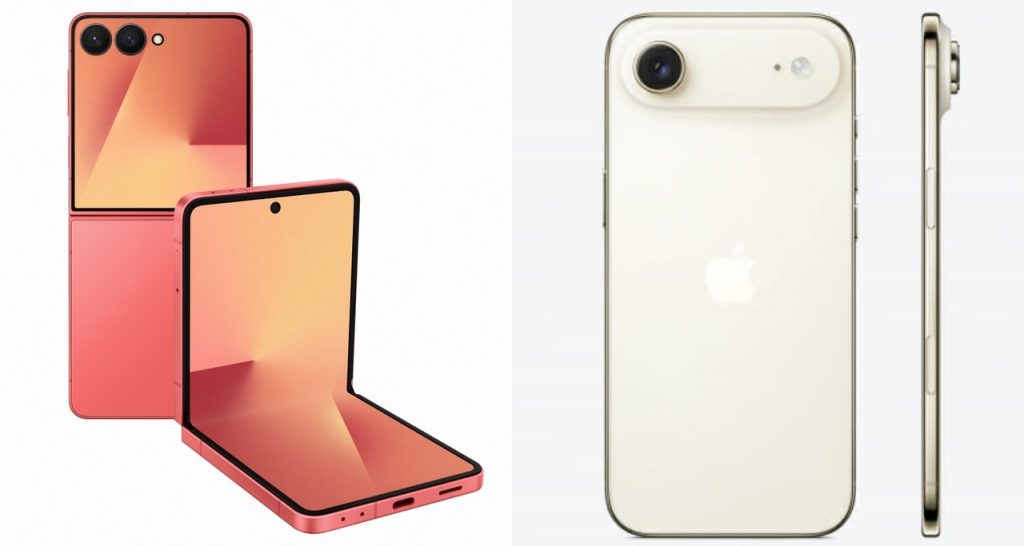
This upcoming launch follows a year after both tech giants explored consumer demand for ultrathin smartphones. The 5.8-millimeter Galaxy S25 Edge entered a direct competition with the 5.6-millimeter iPhone Air, setting a precedent for the industry’s pursuit of slim design.
According to market research leader International Data Corp. (IDC), Samsung successfully shipped an estimated 1.31 million Galaxy S25 Edge units globally during its debut quarter in Q2 2025. Concurrently, Ookla’s crowdsourced Speedtest data indicated that the iPhone Air captured 6.8 percent of U.S. samples from the iPhone 17 generation in the fourth quarter of the same year.
While these figures offer valuable insights into initial market traction, they are not directly comparable and provide only partial snapshots of the broader consumer demand. Neither report definitively suggests that these ultrathin models are displacing the established Ultra and Pro flagship smartphones that remain central to both companies’ premium product lineups.
An industry insider, closely involved in smartphone product planning, remarked, “Consumers are immediately drawn to a phone’s weight and thickness. However, when it comes to the final purchase decision, key considerations like battery life, camera performance, and price consistently weigh heavier. Simply being thin is a tough sell on its own.”
This evolving consumer perspective positions foldable smartphones as a more significant and challenging test of advanced slim-device engineering. For instance, the new Galaxy Z Fold7 showcases remarkable progress, measuring just 8.9 millimeters when closed and weighing 215 grams. This represents a significant 26 percent reduction in thickness and approximately 10 percent lighter build compared to its predecessor.
“Achieving a thinner foldable design goes far beyond merely shrinking the hinge mechanism,” the source elaborated. “It necessitates a complete overhaul and redesign of every core component, including the display, battery, sophisticated camera systems, circuit board, and the crucial thermal management system. The true competitive battle lies in who can deliver a less bulky foldable phone without compromising the premium features consumers have come to expect.”
Having iterated through multiple generations of foldable technology, Samsung has had ample opportunity to address initial complaints and refine its designs. In contrast, Apple, with its anticipated first-generation foldable, will have significantly less margin for error.
Although Apple has yet to officially announce a foldable iPhone, industry reports suggest it is on track for a potential September launch, possibly alongside the new iPhone 18 Pro models. Earlier rumors hinted at complex engineering challenges that could potentially delay initial shipments of this highly anticipated device.
Apple’s prowess in compact design was evident with the iPhone Air, which demonstrated exceptionally tight component packaging within a slim chassis. Meanwhile, the iPhone 17 Pro line prioritized greater internal space for an enhanced battery and advanced thermal systems, highlighting varying design philosophies.
Apple’s inaugural foldable smartphone will need to integrate a large-capacity battery, cutting-edge cameras, robust thermal hardware, a sophisticated hinge, and a durable flexible display — all within a device light enough for comfortable daily use. This ambitious product will inevitably be benchmarked against the mature and refined foldable offerings from Samsung and its Chinese rivals, who have invested years in perfecting their technology.
Indeed, Chinese manufacturers are aggressively pushing the boundaries of foldable innovation. Honor’s Magic V5, for example, measures a remarkably thin 8.8 millimeters when folded in its lightest variant and boasts a substantial 5,820 milliampere-hour battery. Similarly, Oppo’s Find N5 pairs an 8.93-millimeter folded body with a robust 5,600 mAh battery, setting new standards for both slimness and power.
These latest foldable models clearly indicate that the success of thin foldables is increasingly judged by the features and performance they *retain*, rather than their thickness alone. While Samsung’s hardware lead has narrowed, it still maintains significant advantages in global distribution networks, comprehensive after-sales service, robust software support, and its innovative Galaxy AI ecosystem.
Counterpoint Research estimated global foldable smartphone shipments to reach 19.6 million units in 2025, marking an 18 percent year-on-year increase. However, this still represents less than 2 percent of total smartphone shipments. Canalys data further revealed that foldables accounted for 4 percent of Samsung’s overall smartphone unit sales but a more substantial 16 percent of its devices priced above $800, underscoring their premium market segment importance.
“While Samsung possesses invaluable experience in the foldable space, Apple benefits from entering a market where many of the initial engineering and consumer challenges are already well understood,” noted another industry source. “This dynamic places significant pressure on both leading companies.”
He concluded, “Once Apple enters the foldable arena, consumers will shift their focus beyond who offers the thinnest phone. Their primary concerns will revolve around everyday usability, comfort, and critically, what, if any, compromises were made to achieve that thinner form factor.”
yeeun


