Korean Retail Investors Propel ETF Surge, Making Them a Core Trading Vehicle Amidst Retirement Pension Inflows
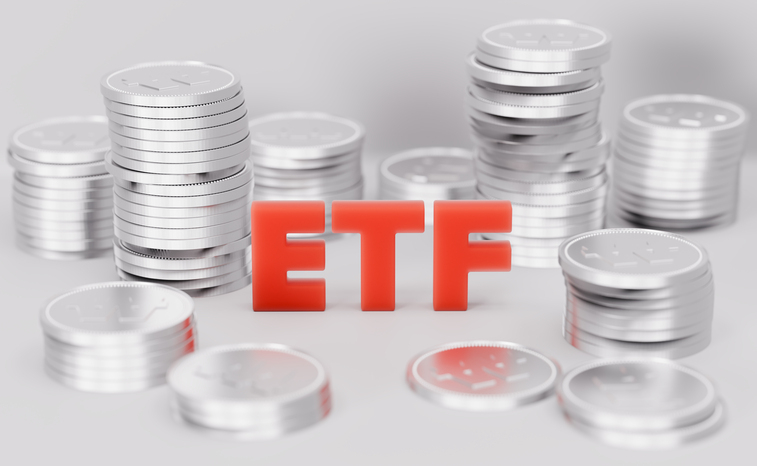
Exchange-Traded Funds (ETFs) have emerged as a dominant force in the Korean stock market, now representing a significant 30 percent of total trading value. This surge is primarily fueled by robust demand from Korean retail investors, as highlighted in a recent report by Korea Investment Securities.
This year alone, individual investors in Korea have shown substantial net buying activity, acquiring 64.3 trillion won ($41.9 billion) worth of listed shares, with a significant portion—55.3 trillion won—specifically directed into ETFs. In stark contrast, foreign investors collectively offloaded approximately 111 trillion won in listed shares and ETFs over the same period.
The substantial net purchases by Korean retail investors, surpassing the combined net sales by foreign investors, underscore their crucial role in bolstering and sustaining the rally within the Korean stock market.
Korea Investment Securities further attributes this escalating volume of ETF trading predominantly to the persistent strong demand from these individual investors.
“While ETFs currently constitute only about 6 percent of the total stock market’s capitalization, their proportion of trading value has remarkably climbed to 30 percent,” explained Yum Dong-chan, an analyst at Korea Investment Securities. He added, “Primarily propelled by increasing retirement pension inflows, ETFs have transitioned from being merely a supplementary investment option to a fundamental trading instrument in the Korean financial market.”
However, the rapid expansion of the Korean ETF market has prompted some market participants to voice concerns regarding a potential over-concentration in large-cap stocks. This apprehension stems from the observation that the majority of ETFs tend to be heavily weighted towards companies with substantial market capitalizations.
Korea Investment Securities, through its analysis of the U.S. market, found no definitive correlation between a heightened share of ETF trading and a premium for large-cap stocks. The brokerage clarified that while ETF inflows might temporarily elevate demand for large-cap equities, they are not considered a decisive factor in explaining the long-term superior performance of large-cap shares.
Furthermore, Korea Investment Securities highlighted that the increased volume of ETF trading has positively impacted market efficiency, leading to a reduction in the frequency of ETFs trading at a discount to their Net Asset Value (NAV).
Yum Dong-chan observed recent market trends, noting that semiconductor and information technology ETFs have been trading at relatively high premiums compared to their NAVs. Conversely, Kosdaq-focused and high-dividend ETFs have exhibited comparatively larger discounts.
Yum emphasized, “These premiums and discounts are more indicative of prevailing investor preferences than fundamental valuations.” He concluded, “The data strongly suggests that Korean retail investors maintain a clear preference for semiconductor-related investment opportunities.”
ch0221