LG Electronics Pioneers Humanoid Robot “Data Factory” for CLOiD Development
LG Electronics is transforming its R&D campus in Seoul’s Yangjae district into South Korea’s pioneering “data factory” dedicated to the advanced development of humanoid robots, according to recent industry reports.
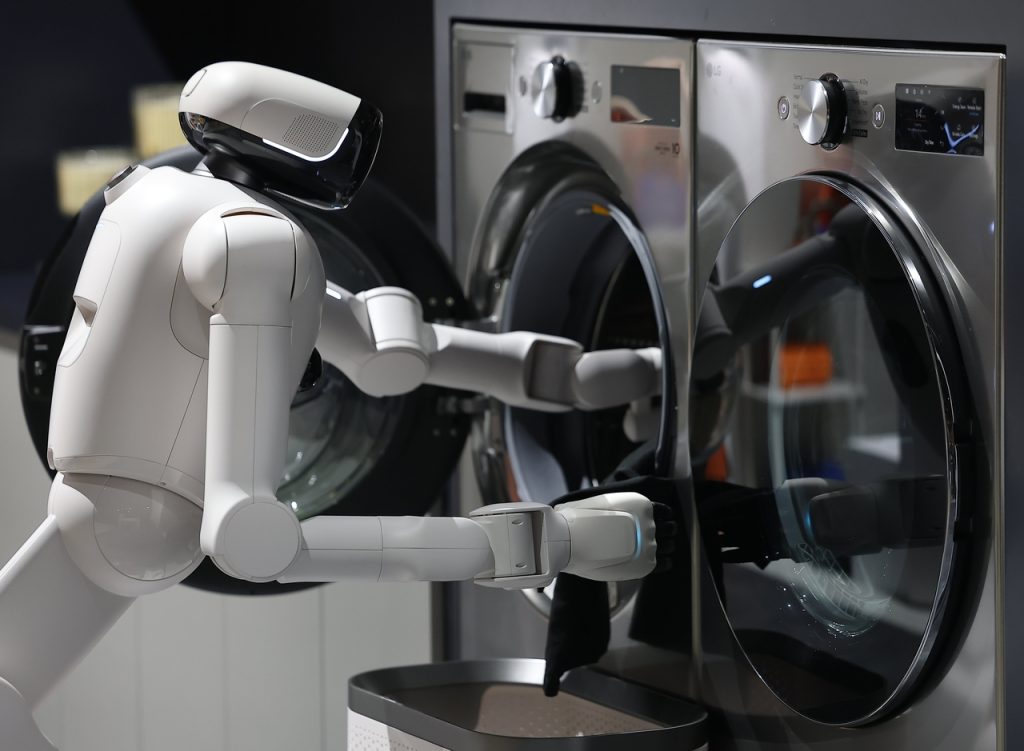
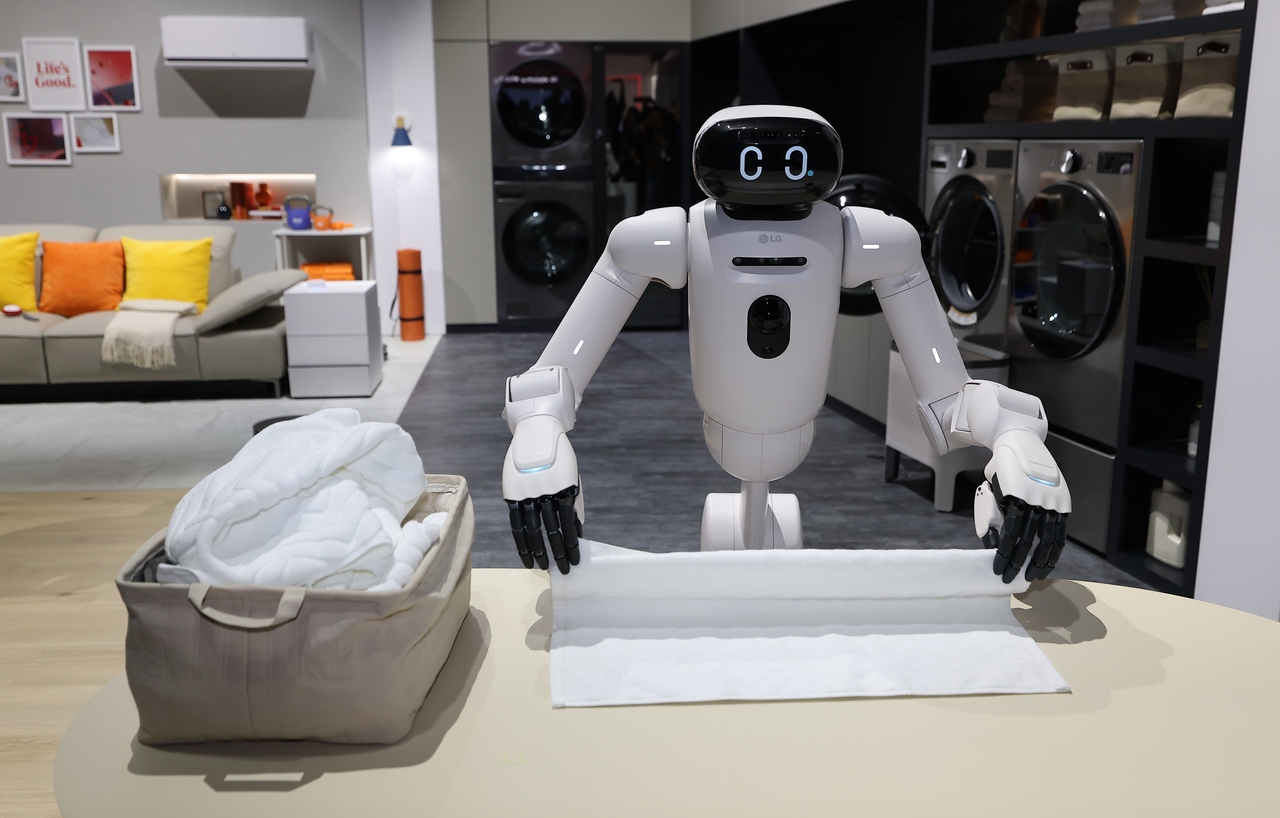
This state-of-the-art facility will house hundreds of LG CLOiD humanoid robots, which will continuously perform various everyday tasks. This intensive training aims to generate crucial real-world data, a vital yet scarce resource in the competitive landscape of developing highly capable robots.
The significance of this initiative stems from the growing understanding that data, rather than hardware advancements, often represents the primary bottleneck in modern humanoid robot development. While generative AI models like GPT benefit from vast online datasets of text and images, robots require direct, physical interaction to learn complex actions such as gripping objects or opening doors. This necessitates repeated performance and meticulous data recording of each motion.
LG Electronics, globally recognized for its innovative home appliances, is strategically leveraging this large-scale data production from simulated home and factory environments. The company believes this will accelerate the intelligence and capabilities of its humanoid robots, giving them a competitive edge in the evolving robotics market.
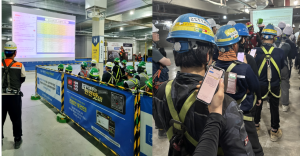
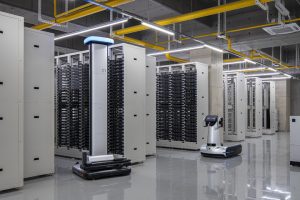
Spanning approximately 33,000 square meters across four floors, this expansive facility is central to LG’s robotics ambitions. The company aims to deploy 100 CLOiD prototype home humanoids by July, initiating comprehensive data collection. Industry insiders suggest this number could surge to 300 units by the year-end. Within the facility, CLOiD robots will navigate meticulously designed mock homes equipped with various appliances and operate on a functional production line, thereby gathering highly relevant data crucial for their future real-world applications.
CEO Lyu Jae-cheol reportedly makes weekly visits to oversee progress at the site, underscoring the project’s strategic importance.
An official from LG Electronics confirmed the broad outlines of the plan to The Korea Herald, though noting that “the exact investment figure and a specific operational start date are yet to be finalized.” Meanwhile, Korean media outlets have widely reported that LG intends to invest over 400 billion won (approximately $263 million USD) into this groundbreaking project by 2030.
This collected data is critical for training what the industry refers to as a robot foundation model – an advanced AI system that empowers robots to autonomously interpret their environment and make informed decisions on how to interact. Notably, during CLOiD’s debut at the CES tech show in January, some observers pointed out its slower movements, indicating a nascent stage of this very capability.
CEO Lyu previously stated that “large-scale training” was the necessary solution, and this data factory is precisely designed to provide such extensive training before CLOiD’s commercial launch. LG Electronics is ambitiously targeting the release of its commercial home robot by 2028.
Historically, LG’s foray into robotics has largely centered on hardware development. Leveraging decades of expertise in designing motors for its renowned appliances, the company is also set to commence mass production of actuators – essential components that enable a robot’s joint movements – in the first half of 2026. However, with the establishment of this data factory, LG is now extending its focus beyond physical hardware to tackle the more complex challenge: developing the sophisticated software brain that orchestrates the robot’s actions and intelligence.
mjh