Korea Embraces Jensen Huang: Unpacking Nvidia’s Influence on the Nation’s AI Future
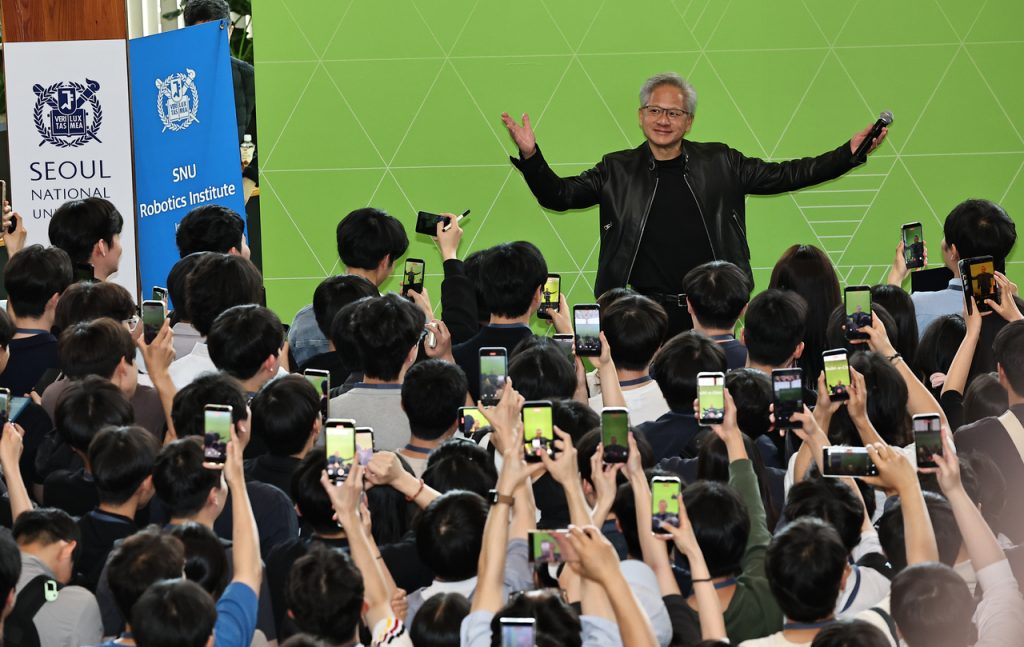
“When I left this morning, I was just Jensen. Now I am K-Jensen. Next time I come back, call me K-Jensen.”
Nvidia CEO Jensen Huang captivated an audience at Seoul National University with this remark, playfully referencing Korea’s iconic export prowess. He told students, “If you have K-pop, you have K-beauty,” adding, “Add a K, and it becomes instantly popular.”
This quip garnered the most enthusiastic response during his visit. Yet, it was an unusual statement for the leader of the world’s most valuable company. While Nvidia gained fame for its gaming graphics cards, its current success and future trajectory are firmly rooted in supplying advanced AI infrastructure to global corporations and governments. These critical deals are typically forged in high-stakes boardrooms, not through widespread public recognition.
This begs the question: why was the CEO of a leading semiconductor company treated more like a global celebrity throughout his five-day trip to Korea?
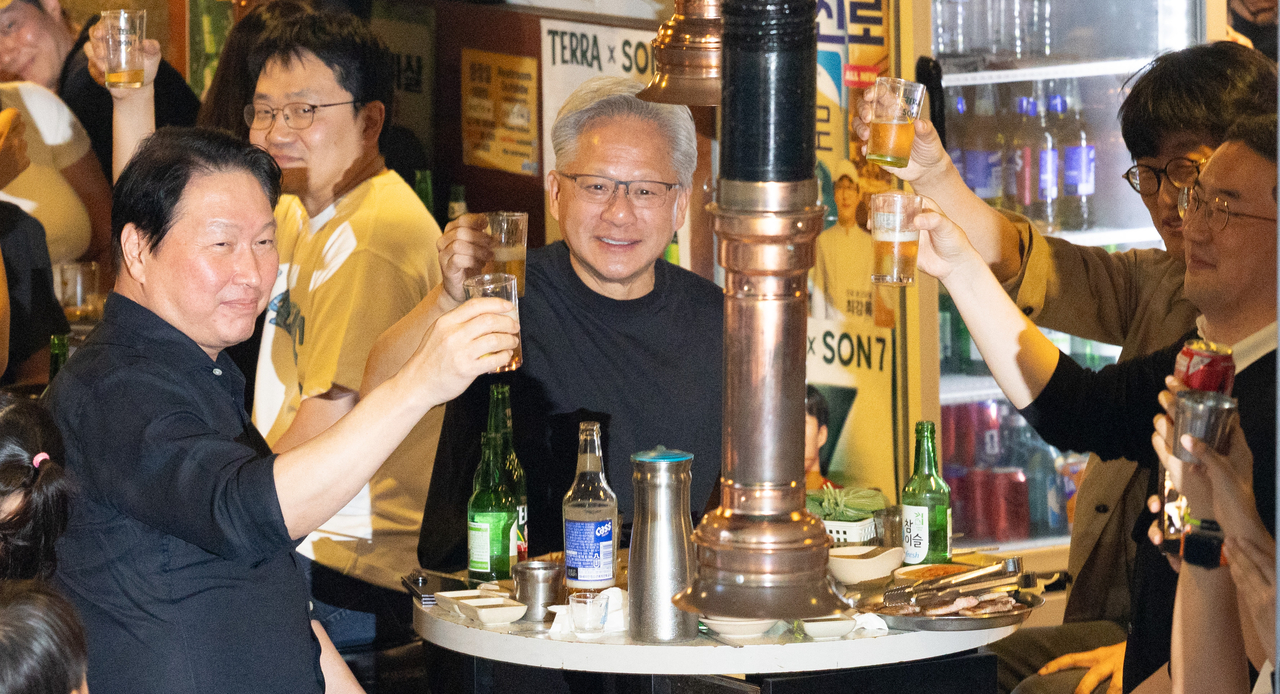
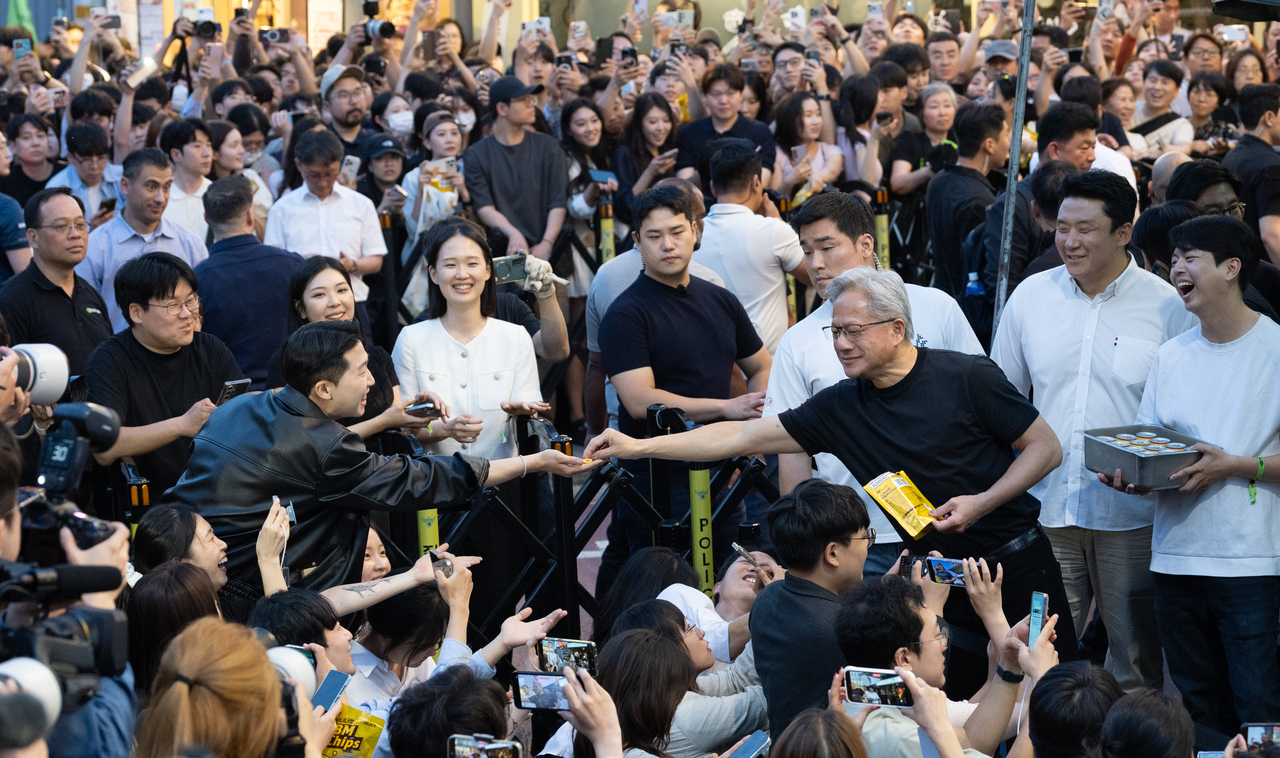
Huang’s second visit to Korea in seven months bore little resemblance to a typical corporate engagement. Upon his arrival at Gimpo last Friday, where he hinted at a “surprise gift” to reporters, the Nvidia CEO dedicated days to winning over the nation through unconventional means. His itinerary included meeting e-sports sensation Faker at a PC bang, enjoying samgyeopsal and soju with prominent figures like SK Group Chairman Chey Tae-won, Naver founder Lee Hae-jin, and LG Group Chairman Koo Kwang-mo. He also threw a memorable first pitch and danced on the stadium jumbotron, participated in a variety show taping, and distributed autographs and banana milk to large crowds, necessitating police barricades.
Significant dealmaking, focused on memory, robotics, and advanced AI data centers, emerged only during the final two days of his strategically orchestrated visit.
So, for a company whose most impactful agreements are inked behind closed doors, why did Nvidia’s founder require the public chanting his name in the streets of Korea?
A Global Semiconductor Giant’s Strategic Embrace of Public Sentiment in Korea
“This was far more than a B2B executive merely enjoying a momentary spotlight,” stated Yoo Hoi-joon, head of KAIST’s AI Semiconductor Graduate School.
“Nvidia’s primary customer base has evolved beyond a company’s purchasing department; it now encompasses entire nations.”
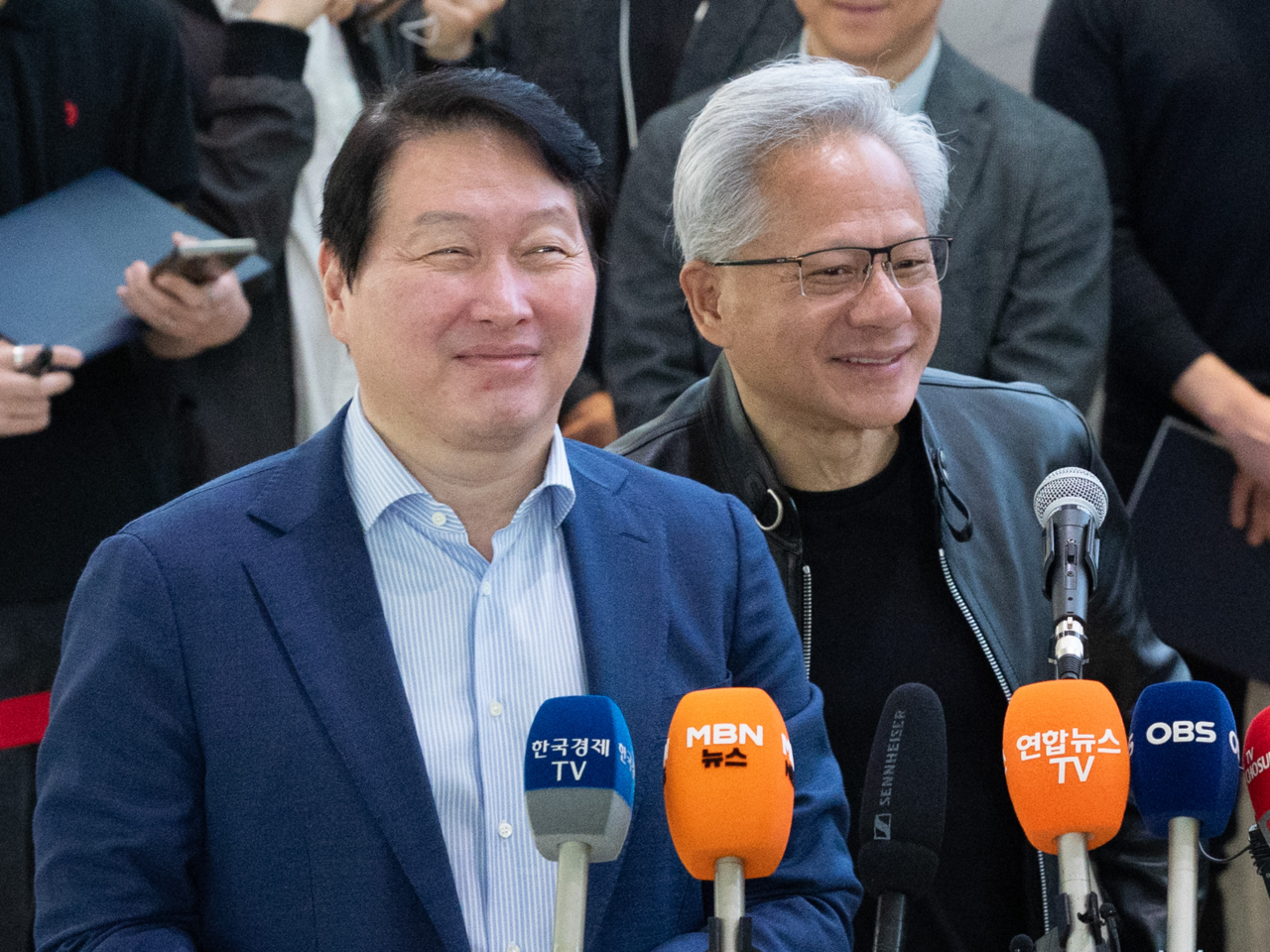
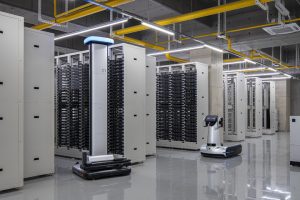
This fundamental shift, as Yoo explains, illuminates the rationale behind Huang’s approach. With countries like Saudi Arabia, the UAE, France, and Germany actively competing to establish robust domestic AI capabilities, Nvidia has expanded its offerings beyond individual chip sales. It now provides comprehensive “entire national systems,” including cutting-edge “AI factories,” foundational software development platforms, and advanced robotics infrastructure.
Korea’s recent partnerships perfectly align with this strategic blueprint. Naver and SK Telecom have committed to developing gigawatt-scale AI factories, while semiconductor giants Samsung and SK hynix – collectively responsible for approximately 70 percent of the crucial memory components within Nvidia’s chips – are solidifying collaborations for future generations of technology.
“When your target customer is an entire country,” Yoo emphasized, “you cannot secure such partnerships solely through procurement offices. You must effectively win over the public.”
The Strategic Value of Nvidia’s Charm Offensive in Korea’s AI Landscape
This is where the relatable elements of Korean culture, such as fried chicken and baseball, come into play. Choi Byung-ho, from Korea University’s Human-Inspired AI Research Institute, clarified that Huang’s visit was never solely about driving consumer sales of graphics cards.
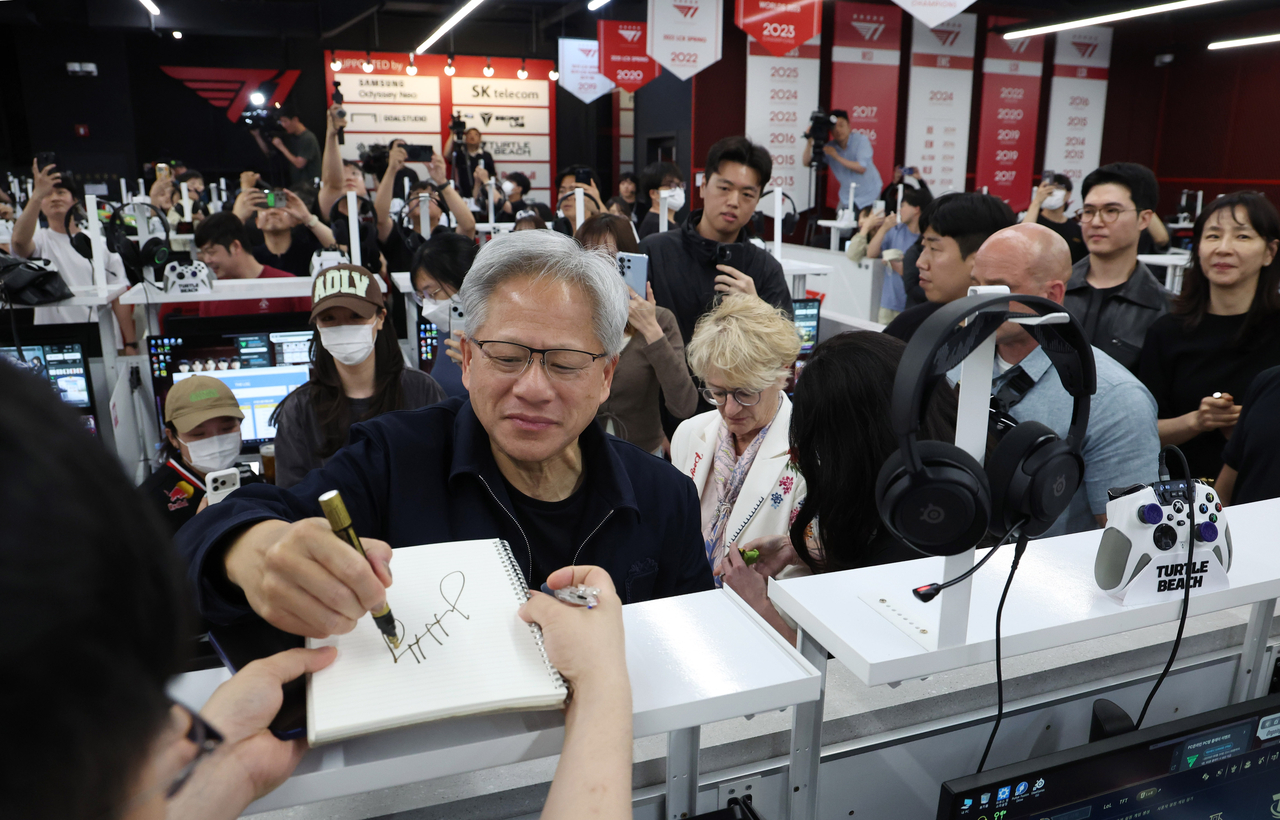
“Consider the demographic of those crowds,” Choi explained. “They consisted of developers, students, and the very individuals who will spend the next decade building on whichever AI platform feels most intuitive and familiar to them. Huang successfully normalized Nvidia, transforming it into a more recognizable, everyday name in Korea.” This effort was aided by already fertile ground; Korea’s tech-savvy population grew up with GeForce graphics cards, making a chip founder’s visit to a PC bang to meet Faker feel less like a foreign executive’s calculated photo opportunity and more like a homecoming.
Furthermore, this public engagement serves to alleviate any “unease a country might feel about integrating its future with a foreign company.” It also offers invaluable intangible benefits to Korean partners like Samsung and Hyundai. “Aligning with Nvidia so publicly positions you prominently before the entire nation,” Choi noted, “and instantly draws global attention to your collaborations as well.”
However, this very intimacy, which facilitates smoother dealmaking, also raises concerns. “The actual risk isn’t merely collaborating with Nvidia,” Choi cautioned. “The danger lies in the possibility that Korean AI development begins to speak exclusively Nvidia’s language.” He pointed to Nvidia’s proprietary CUDA software, which already significantly locks in developers and could soon exert similar influence over Korea’s burgeoning AI factories and robotics sectors.
“It’s a delicate balance of holding hands while simultaneously knowing when to let go,” he concluded.
Strategic Rapport vs. National Control in Korea’s AI Ambitions
Choi also advised against interpreting the trip with excessive pessimism. Korea possesses genuine leverage, a factor that works both ways, as Nvidia’s advanced chips are reliant on Korean memory production. Moreover, he added that much of the goodwill generated stems from Huang’s authentic personality.
“Beyond all the strategic maneuvers, the overwhelming impression is of a genuinely cool, approachable individual – an engineer who clearly still cherishes games, not an unapproachable titan leading the world’s most valuable tech company. Such authenticity is a rarity in today’s tech landscape, and the relaxed demeanor evident in all those shared photos is something that cannot be faked.”
Huang’s address to the students at Seoul National University, once the playful banter subsided, conveyed a deeply serious message. He highlighted Korea’s unique strengths, stating, “Very few countries globally possess, all at once, excellent electronics, robust cloud infrastructure, superb mechanical engineering and manufacturing capabilities, and outstanding AI talent.”
“Somehow, within this single nation, you have successfully integrated all these elements. Therefore, this is truly your moment.”
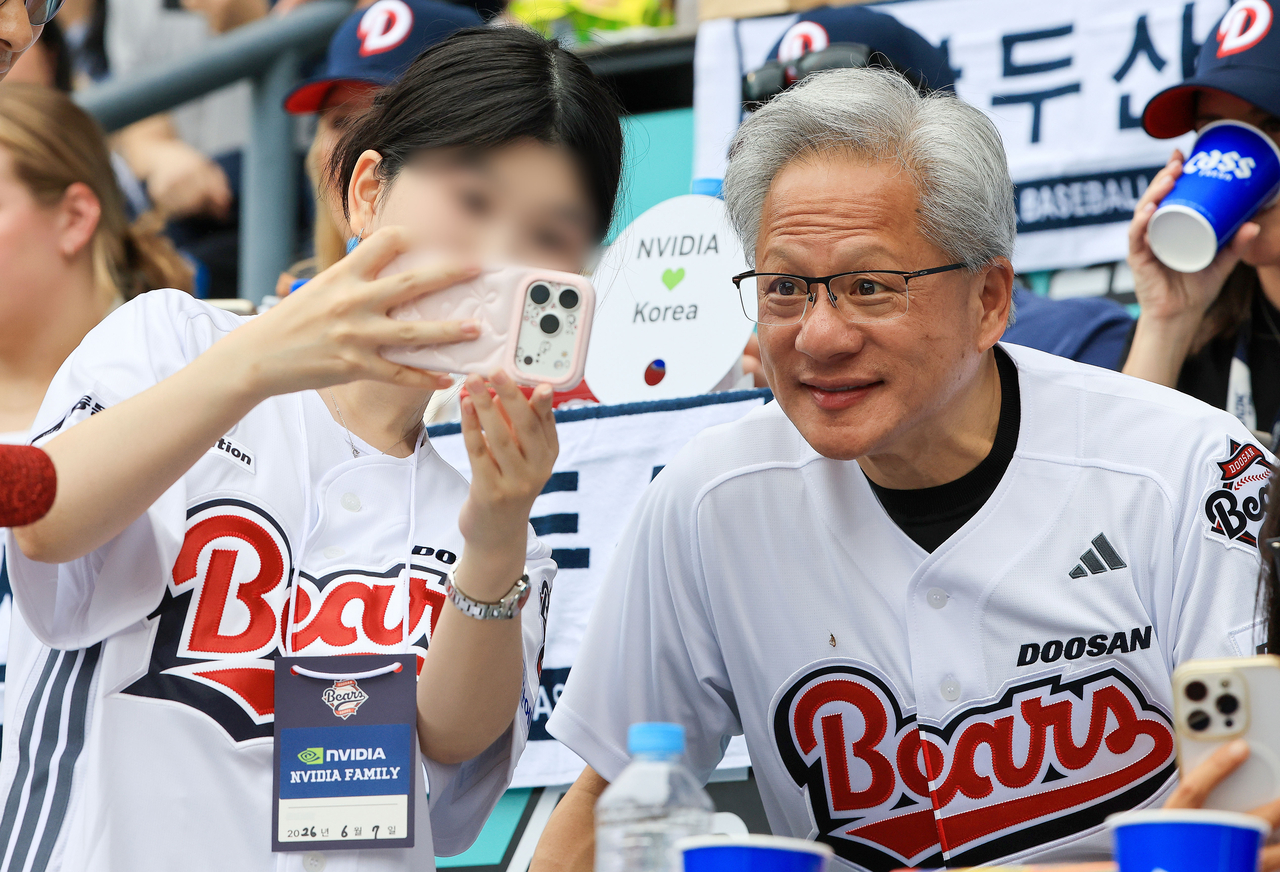
The presented opportunity for Korea in the global AI arena is indeed substantial. By the time his visit concluded, Huang had achieved his primary objective: fostering an environment where Korea no longer perceives Nvidia merely as an external vendor. However, being warmly embraced by a nation is distinct from maintaining ultimate control over its technological trajectory.
“This should not be viewed as a definitive win or loss,” commented Kim Hyun-soo, who directs Samsung Electronics’ future-technology center. “Korea’s international standing undeniably improved over the weekend, and that is certainly a cause for celebration. Yet, the welcome extended was ours to offer. The ultimate decisions regarding our AI future still fundamentally rest with us.”
mjh