Danish Chamber of Commerce Korea Launches to Deepen Denmark-Korea Cooperation in Green Energy, Shipping, and Technology
Until recently, Denmark notably stood as one of the few European nations without a dedicated chamber of commerce in Seoul, a gap now addressed by the significant launch of the Danish Chamber of Commerce in Korea (DCCK).
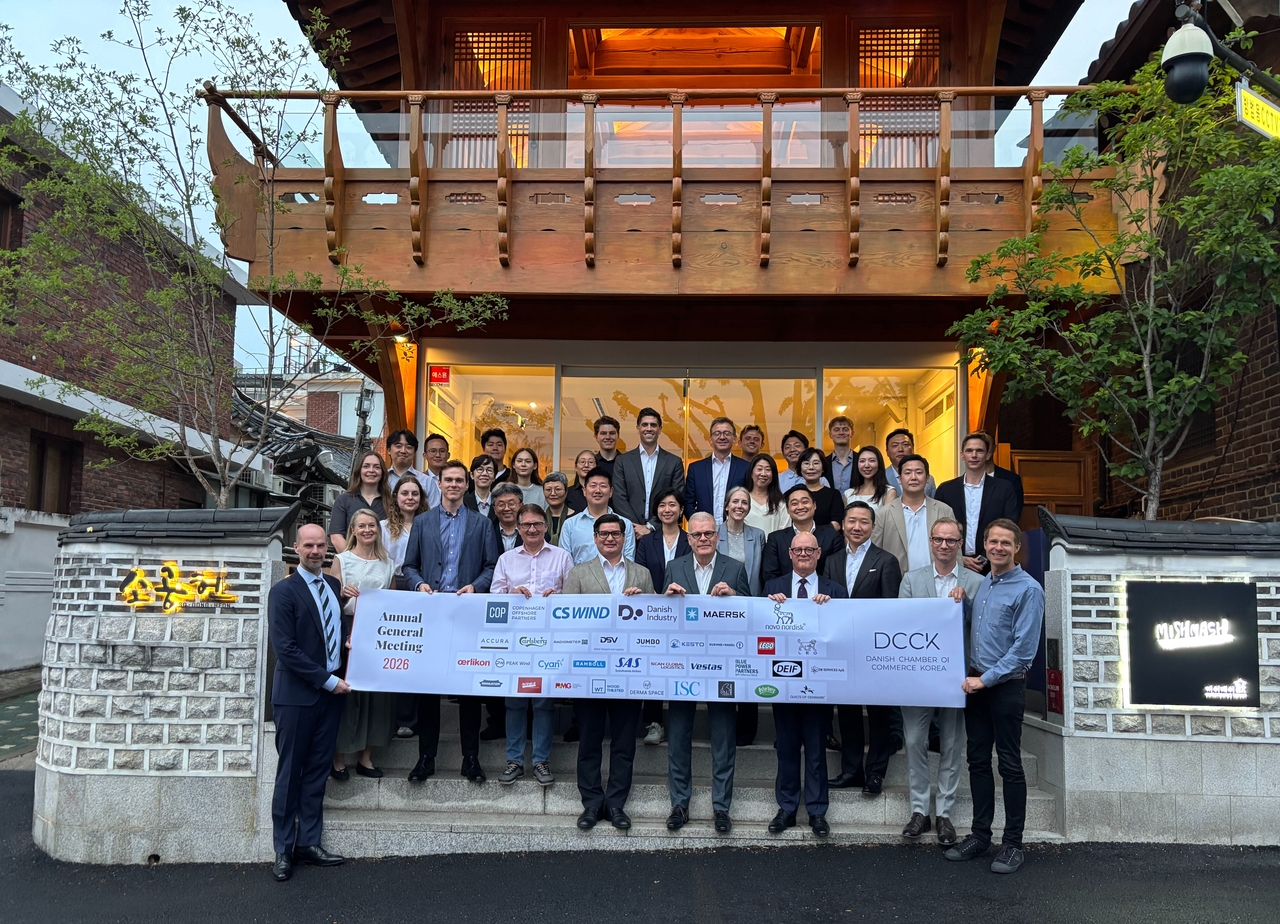
This landscape transformed on Tuesday with the official launch of the Danish Chamber of Commerce in Korea (DCCK). Inaugural Chairman Jan Benggaard highlighted this development as a clear indicator of deepening economic ties and expanding business opportunities between Denmark and Korea.
The newly established DCCK proudly commences operations with 34 diverse member companies, featuring industry leaders such as Maersk, Novo Nordisk, CS Wind, and Lego. This significant formation underscores the increasing importance of Korea’s advanced industrial capabilities within Danish companies’ broader Asia strategies.
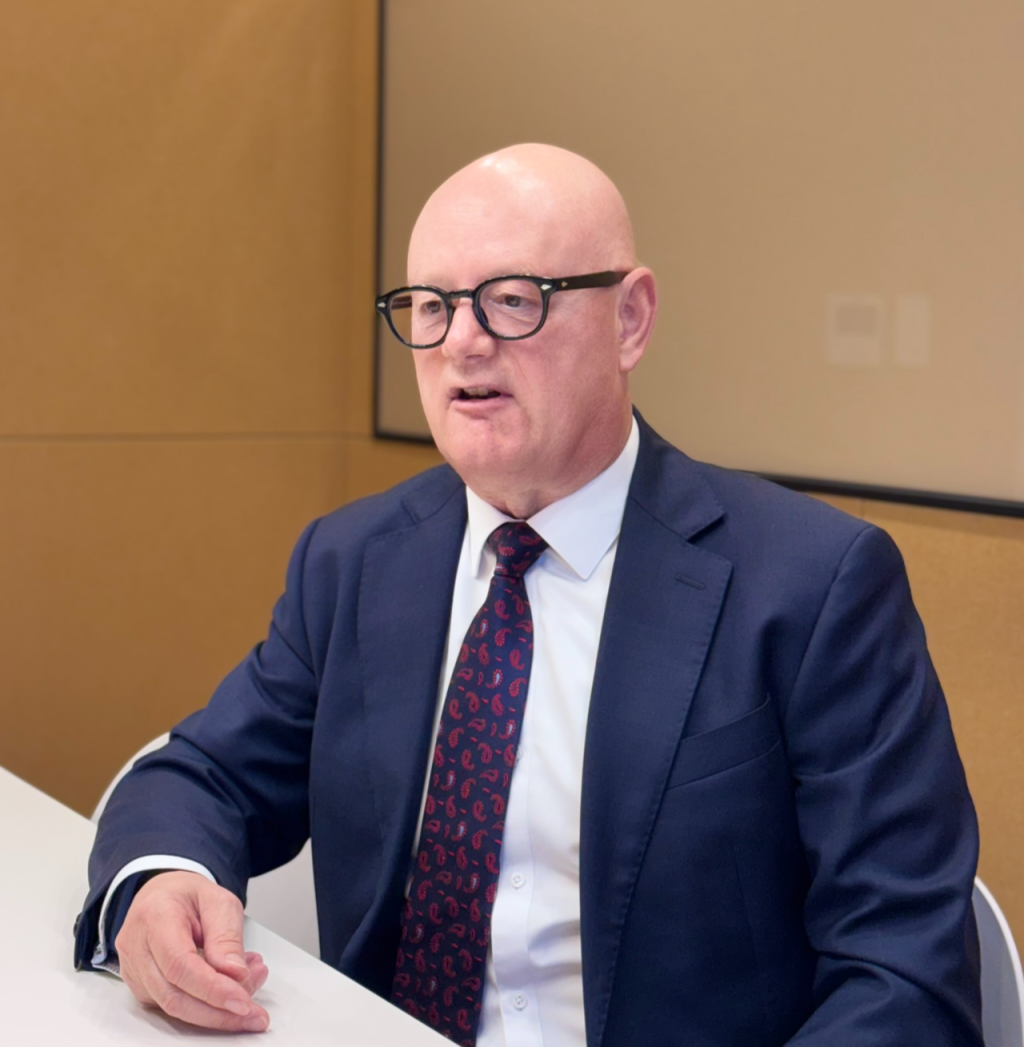
“Tremendous potential exists for closer cooperation between Korea and Denmark,” stated Chairman Benggaard in an interview with The Korea Herald prior to the chamber’s launch. Benggaard, who has been instrumental in Korea’s business landscape since 1998 and currently serves as president of Oerlikon South Korea (a global leader in surface technologies and advanced materials), brings extensive experience to the DCCK.
Chairman Benggaard also noted Korea’s significant popularity in Denmark, spanning both commercial and cultural spheres, emphasizing a mutual interest and respect that fosters strong bilateral relations.
“Korea is rapidly evolving into a prominent high-tech development hub and a powerhouse across various key industries,” Benggaard remarked, highlighting the market’s strategic potential as a springboard into the wider Asia-Pacific region for Danish enterprises.
The most significant business opportunities stem from combining Denmark’s and Korea’s respective strengths in pharmaceuticals, maritime decarbonization, and sustainable food, sectors where Danish companies have already established robust global positions. Furthermore, the emerging focus on carbon reduction and energy transition presents the next wave of collaborative potential for Denmark-Korea partnerships.
With Korea’s impressive manufacturing scale and Denmark’s decades-long leadership in renewable energy experience, both nations are naturally poised to be key partners in the evolving global energy and industrial landscape.
“Danish industry has pioneered offshore wind technology for over 30 years in Europe,” he explained. “Today, Danish developers and suppliers are firmly established in Korea, actively contributing to and supporting the Korean government’s ambitious renewable energy targets.”
Korea’s strategic plan to develop 10.5 gigawatts of offshore wind capacity by 2030 has already generated substantial opportunities for leading Danish companies like Vestas and Copenhagen Offshore Partners. Moreover, emerging sectors, including small modular reactors (SMRs), promise to unlock further avenues for Denmark-Korea cooperation and innovation.
While operating in Korea offers immense potential, it also presents distinct challenges, including a shrinking workforce, tightening labor supply, and heightened regional competition from hubs like Hong Kong and Singapore.
Despite these challenges, Chairman Benggaard remains confident in Korea’s fundamental strengths. “The speed of implementation witnessed in Korea is truly impressive and a significant advantage for businesses,” he affirmed.
Addressing evolving labor issues, such as the widely discussed Yellow Envelope bill, Benggaard noted that foreign companies are closely monitoring Korea’s regulatory landscape. He emphasized that businesses must ultimately “follow the law,” acknowledging that many remain in a “wait-and-see” approach regarding its full implications. The Yellow Envelope bill notably expands contractor liability for subcontracted workers and broadens the scope of permissible labor disputes.
Looking ahead, Benggaard envisions the DCCK evolving beyond a conventional business network. His ambition is for it to become a lasting institution, fostering robust connections among Danish companies, executives, and Danes residing and working in Korea.
“Our long-term ambition is to establish the DCCK as a permanent and trusted platform for Danish business in Korea,” he concluded, “creating new and meaningful connections not only between member companies but also throughout the wider Danish-Korean community.”
“As a smaller nation, Denmark deeply values and believes in the power of strong international collaboration,” he affirmed.