
South Korea Becomes Key Partner, Gains Early Access to OpenAI’s Advanced Cybersecurity AI Model
OpenAI has announced the launch of a comprehensive cyber action plan for South Korea, designed to bolster defenses against sophisticated AI-driven cyber threats. This initiative grants the nation early access to OpenAI’s cutting-edge, security-focused model, GPT-5.5-Cyber, empowering government agencies, public institutions, and private companies alike.
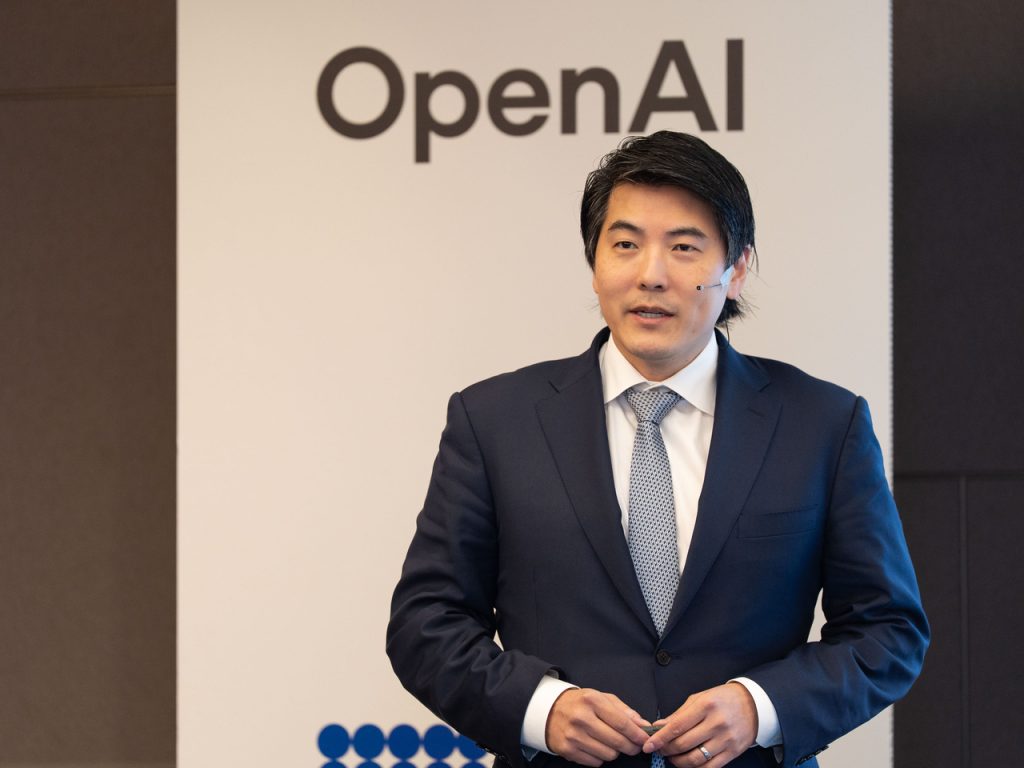
“We are committed to establishing OpenAI as a trusted partner for Korea,” stated Jason Kwon, OpenAI’s Chief Strategy Officer, during a press briefing held in Seoul.
Kwon emphasized a crucial objective: “Our aim is not to limit advanced cyber capabilities to a select few organizations. Instead, we want to ensure that trusted defenders, responsible for safeguarding systems, businesses, and institutions, can access these powerful tools more rapidly than malicious actors.”
This exclusive access is facilitated through the “Governmental Trusted Access for Cyber” program. This strategic initiative provides selected government bodies and public institutions with direct access to OpenAI’s latest cybersecurity-centric AI models.
South Korea now stands as the third nation, following the United States and Canada, to join this vital program. It is also one of the first countries in Asia, alongside Japan, to participate. OpenAI confirmed ongoing discussions to extend participation to member states of the European Union.
During the briefing, OpenAI also unveiled its broader Korea Cyber Action Plan. This comprehensive strategy extends support beyond governmental entities, offering crucial cybersecurity assistance to private-sector companies across the nation.
Kwon highlighted several key factors driving OpenAI’s significant focus on the Korean market, including the country’s robust semiconductor industry, exceptional engineering talent, advanced digital infrastructure, and rapid adoption of AI services.
He further noted South Korea’s strong engagement with OpenAI, ranking among the top 10 global markets for weekly ChatGPT users, enterprise customers, and paid subscribers.
OpenAI has actively deepened its collaboration with Korean authorities in recent months. The company formalized its partnership by signing a memorandum of understanding with Korea’s Ministry of Science and ICT in October. Earlier in May, it hosted a critical AI security workshop, engaging with key Korean security, financial, and diplomatic agencies.
Continuing this engagement, OpenAI representatives met with Second Vice Science Minister Ryu Je-myung on Tuesday to discuss pressing issues surrounding AI security threats, safety protocols, and fostering trust in AI technologies.
This significant announcement comes amidst an accelerating race among major AI developers to adapt their advanced models for specialized cybersecurity applications.
Notably, rival firm Anthropic launched its cybersecurity-focused model, Claude Mythos, in April. OpenAI subsequently introduced GPT-5.4-Cyber and provided selected partners with a preview of its even more advanced GPT-5.5-Cyber in early May.
Kwon drew a clear distinction between OpenAI’s strategy and Anthropic’s Project Glassing, which offers more selective access to Claude Mythos.
“Unlike Anthropic, our approach emphasizes broader availability, primarily because we possess the extensive compute capacity required to support such widespread access,” Kwon explained.
“Our imperative is to empower trusted defenders to identify vulnerabilities and secure critical systems before these advanced capabilities become more widely disseminated.”
yeeun


