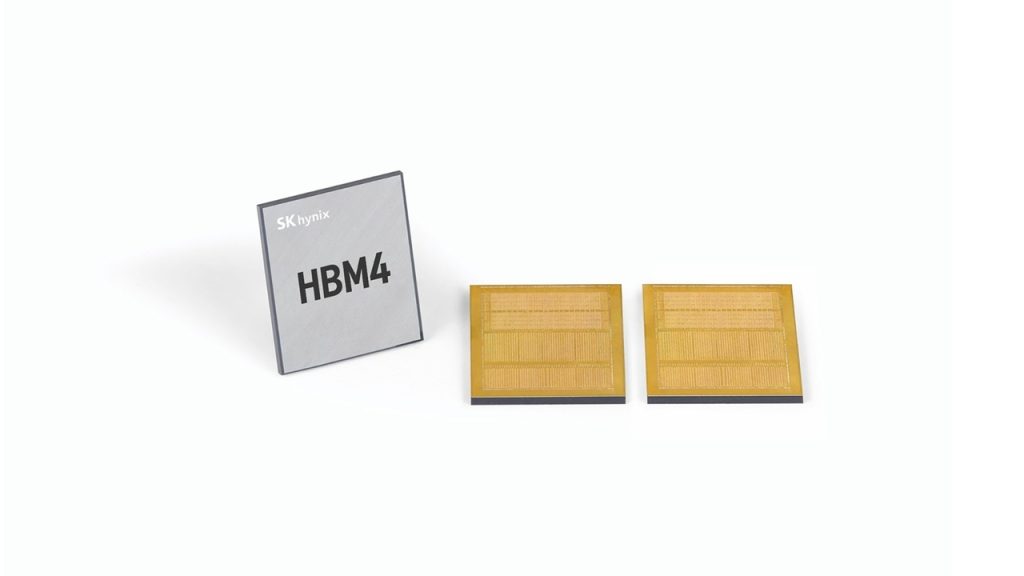
SK hynix has unveiled a groundbreaking packaging technology that integrates innovative cooling channels directly into its high-bandwidth memory (HBM) chips. This advancement directly addresses heat generation, a critical engineering obstacle impeding the progress of current AI memory technologies toward next-generation solutions.
High-bandwidth memory, or HBM, stands as specialized stacked memory crucial for next-gen AI accelerator chips. As the world’s leading supplier of HBM, SK hynix is at the forefront of tackling the escalating thermal challenges. With AI workloads demanding increasingly taller and faster memory stacks, the resulting heat generation significantly limits technological scalability. The most intense heat concentration typically occurs at the high-speed interface between the memory and the processor.
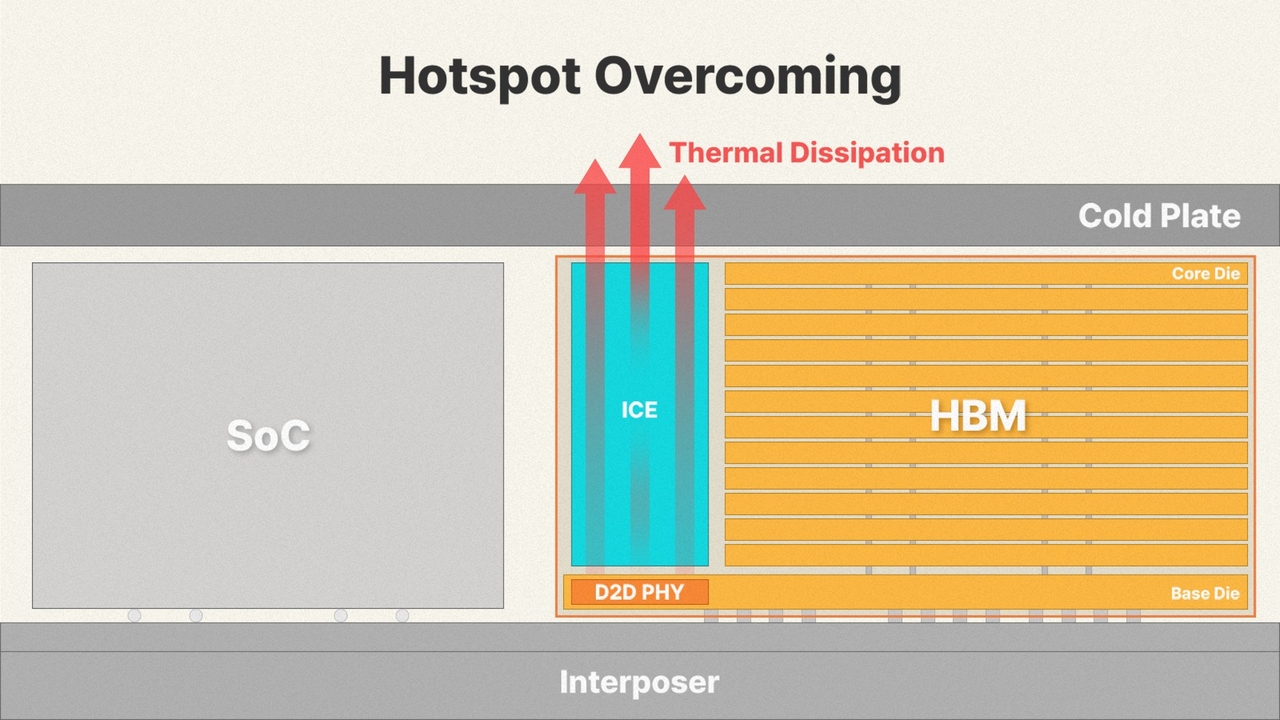
This revolutionary technology, branded iHBM, incorporates silicon-based cooling elements directly within the memory package, strategically positioned adjacent to the thermal hotspot. Silicon’s excellent heat conductivity, coupled with its electrical insulation properties, allows these elements to create an efficient thermal escape route without disrupting the intricate circuitry.
SK hynix reports that this iHBM cooling design effectively reduces thermal resistance by over 30 percent. This substantial improvement ensures stable and consistent performance even under demanding high-temperature and heavy-load operating conditions, crucial for powerful AI applications.
The company further emphasized that iHBM leverages its Advanced MR-MUF process, a manufacturing method already proven robust in mass production environments. Designed for seamless integration, iHBM can fit customers’ existing package layouts without requiring extensive redesigns, thereby significantly lowering the practical barriers to its adoption across the industry.
SK hynix plans to implement iHBM technology beginning with HBM5, a future memory generation anticipated by Counterpoint Research to emerge between 2029 and 2030. This timeline aligns with the industry’s projected shift towards hybrid bonding, an advanced method that directly connects stacked chips via copper, eliminating the traditional bump structures used today.
“iHBM represents an optimal solution for minimizing heat, developed by synergizing our cutting-edge memory design capabilities with advanced packaging technology,” stated Lee Kang-wook, head of package development at SK hynix.
This critical announcement comes at a time when demand for SK hynix’s HBM solutions significantly outpaces its current production capacity. During its first-quarter earnings call last month, the company disclosed that customer requests for HBM over the next three years surpass its manufacturing capabilities. That quarter underscored SK hynix’s market strength, yielding record results: an operating profit of 37.6 trillion won ($24.9 billion), marking a monumental increase of over 405 percent year-over-year, on revenue of 52.6 trillion won, achieving an exceptional operating margin of 72 percent – a rarity for a manufacturer.
Despite its HBM market dominance, the competitive landscape remains dynamic. Counterpoint Research data indicates that Samsung Electronics regained the leading position in overall DRAM revenue in the fourth quarter of 2025, following a year in second place. Nevertheless, SK hynix maintained a commanding 57 percent share of the high-growth HBM market, solidifying its leadership in specialized AI memory.
mjh