
South Korea Strengthens Naval Power with Finalized SM-6 Missile Acquisition for Aegis Destroyers
South Korea has officially finalized its plan to procure advanced US-made SM-6 long-range surface-to-air missiles, marking a significant step in enhancing the nation’s naval defense capabilities. These formidable missiles are designated for deployment on South Korea’s state-of-the-art Aegis destroyers, according to an announcement made by the state arms procurement agency on Friday.
Strategic Acquisition for Jeongjo the Great-Class Destroyers
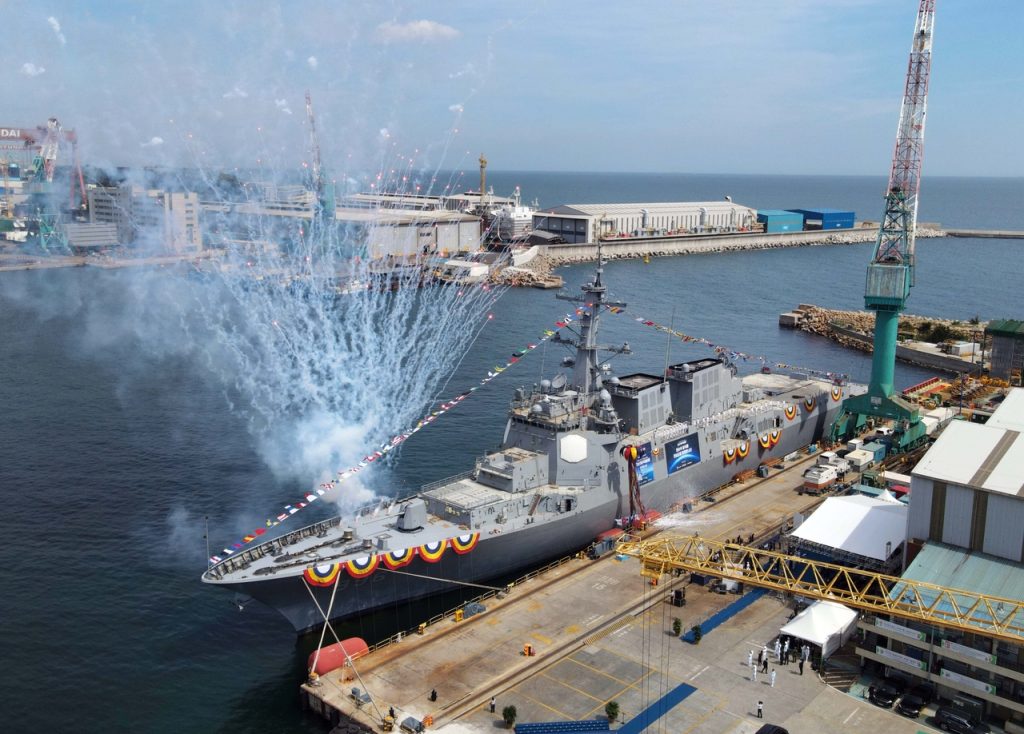
The critical acquisition plan received approval during the 175th meeting of the Defense Project Promotion Committee, the Republic of Korea’s top decision-making body for defense initiatives. This long-range naval surface-to-air missile project aims to integrate SM-6 missiles, acquired through the US Foreign Military Sales (FMS) program, into South Korea’s cutting-edge Jeongjo the Great-class Aegis destroyers, also recognized as KDX-III Batch-II destroyers. This move is set to profoundly upgrade the naval fleet’s defensive and offensive capacities.
The Defense Acquisition Program Administration (DAPA) had previously approved a revised basic strategy and a first-phase purchase plan for the project in March 2023, followed by the US State Department’s tentative approval for the sale in November of the same year. Friday’s decision represents the definitive selection of the SM-6 as the missile system to be introduced under this vital defense program.
Adjusted Project Scope and Budget
Following comprehensive evaluations, the project cost and timeline have been adjusted. The original plan approved in 2023 encompassed the first and second purchase phases, with an estimated budget of approximately 770 billion won (around $507.8 million) and a project period from 2023 to 2031. However, the latest approved plan now revises the budget to about 530 billion won and extends the project through 2034. This modification is understood to reflect a recalibration in the number of missiles to be acquired, adjusting from an initial target of approximately 100 units.
Unrivaled Capabilities of the SM-6 Missile
Often referred to as the “patriot of the sea,” the SM-6 missile boasts an impressive operational range exceeding 400 kilometers. Its advanced active radar seeker technology allows the missile to independently track and engage targets, significantly enhancing precision and effectiveness. This capability is poised to substantially improve the destroyers’ ability to simultaneously engage multiple threats, providing a robust shield against sophisticated adversaries.
Classified as a terminal-phase interceptor, the SM-6 is capable of engaging targets at altitudes of 36 kilometers or below. Its versatility enables it to effectively intercept a diverse array of threats, including enemy aircraft, incoming ballistic missiles, and agile cruise missiles, making it a cornerstone of modern naval air and missile defense strategies.
Future Deployment and Enhanced Ballistic Missile Defense
The Republic of Korea Navy intends to strategically deploy the newly acquired SM-6 missiles on its advanced Jeongjo the Great-class destroyers. This includes the ROKS Dasan Jeong Yak-yong, the second ship of its class, slated for delivery by the close of this year, and the Daeho Kim Jong-seo, the third vessel currently under construction. Furthermore, the lead ship of the class, the ROKS Jeongjo the Great, is also expected to receive SM-6 missile capabilities through planned upgrades, ensuring a standardized and potent defense across the fleet.
DAPA emphasized that this critical project will profoundly enhance the Aegis destroyers’ overall air defense and ballistic missile response capabilities, particularly against evolving threats such as anti-ship ballistic missiles, hostile aircraft, and cruise missiles, thereby reinforcing South Korea’s maritime security posture.
Investing in Next-Generation Military Satellite Communications
In a parallel and equally strategic development, the committee also approved a foundational development plan for the military satellite communications system-III project. This ambitious initiative, spearheaded by the Agency for Defense Development, aims to develop a dedicated geostationary military communications satellite along with its integrated ground control and terminal systems.
With a substantial investment of approximately 1.27 trillion won allocated from this year through 2032, this project is designed to replace aging satellite infrastructure and ground systems before the current satellite concludes its operational mission. DAPA anticipates that this forward-looking project will be instrumental in helping the military secure stable, resilient, and advanced command and control capabilities, vital for national security in the coming decades.


